Lazio vs Inter: How the Nerazzurri Turned the Coppa Italia Final Into a Statement Night
Inter Milan did not simply win the Coppa Italia final. They controlled its emotional temperature, punished Lazio’s mistakes, and turned a tense night at the Stadio Olimpico into another proof point in a season defined by authority.
- A Final Decided by Control, Not Chaos
- The First Break: Marušić’s Own Goal Sets the Tone
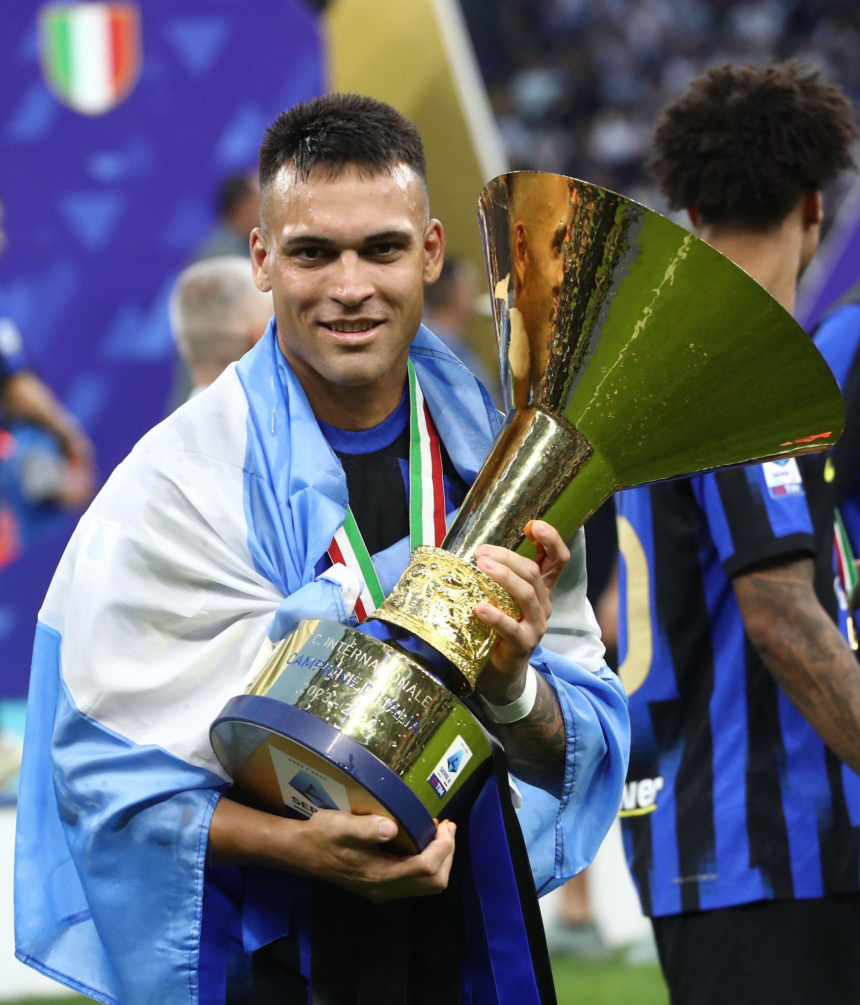
- Lautaro Martínez Delivers the Captain’s Moment
- Dumfries Returns at the Perfect Time
- Lazio’s Response Never Fully Arrived
- Discipline, Frustration and the Final’s Physical Edge
- Why the Result Matters for Inter
- What the Defeat Means for Lazio
- The Tactical Lesson: Inter Played the Final Lazio Could Not
- Conclusion: A Trophy Night That Confirmed Inter’s Domestic Supremacy
On Wednesday, May 13, 2026, Inter defeated Lazio 2-0 in Rome to lift the Coppa Italia, completing a domestic league-and-cup double. The final was effectively shaped before half-time: Adam Marušić’s 14th-minute own goal gave Inter the early platform, and Lautaro Martínez doubled the lead in the 35th minute after an assist from Denzel Dumfries. By the interval, Lazio were 2-0 down and chasing a match that Inter had already bent to their rhythm.
For Lazio, this was more than a cup final defeat. It was the collapse of their final route into European competition. For Inter, it was the confirmation of a campaign that had moved from promise to dominance under Cristian Chivu.


A Final Decided by Control, Not Chaos
Cup finals often swing on emotion, but Inter’s performance was built on structure. They finished the match with 58.3% possession compared with Lazio’s 41.7%, and completed 565 passes to Lazio’s 400. That dominance of the ball mattered because it denied Lazio the one thing they needed after falling behind: sustained pressure.
Inter did not overwhelm Lazio with endless shots on target. Both teams registered two efforts on target. But the difference lay in territory, timing, and composure. Inter had 11 shots to Lazio’s eight, 25 touches inside the opposition box to Lazio’s 15, and three corners to Lazio’s one. Their attacks carried greater threat because they arrived from better positions and were supported by superior midfield control.


The scoreline was built on two first-half moments, but the victory was sustained by ninety minutes of game management.
The First Break: Marušić’s Own Goal Sets the Tone
The opening goal arrived in the 14th minute, when Adam Marušić turned the ball into his own net. It was the kind of incident that can reshape a final instantly. Lazio had barely settled, yet they were already forced to chase.
The own goal also magnified the psychological burden on Maurizio Sarri’s side. Lazio came into the match knowing Inter had already beaten them 3-0 at the same stadium just days earlier. They needed a clean start, discipline, and confidence. Instead, they conceded early and allowed Inter to play from a position of strength.
From that point, Inter could dictate the rhythm. Lazio still had spells of forward movement, particularly through wide transitions involving Mattia Zaccagni and Gustav Isaksen, but their attacks often lacked the final action required to trouble Josep Martínez consistently.


Lautaro Martínez Delivers the Captain’s Moment
The second goal came in the 35th minute. Lautaro Martínez finished after Denzel Dumfries provided the assist, giving Inter a 2-0 lead that proved decisive.
It was a fitting moment for Lautaro. In a final where Inter needed authority, their captain supplied it. His goal did more than extend the lead; it gave the Nerazzurri the freedom to manage the second half without overcommitting.
After the match, Lautaro framed the trophy as a reward for the team’s recovery and consistency. He said: “It means a lot, because it was not easy after what happened last season, to get back on track, but we managed a truly remarkable season. We showed good results, performances, intensity, so I am proud that we are finishing with another trophy that means so much.”
He also praised his coach directly: “There is always so much talk about Inter, but you have to look at what we’ve achieved over so many years. We have to keep just sticking to our path, this is another trophy. We’d give Chivu a 10 out of 10, because he helped us so much.”
Those words captured the broader meaning of the night. Inter’s win was not an isolated cup success. It was the final stamp on a domestic campaign in which they reasserted themselves as Italy’s strongest side.
Dumfries Returns at the Perfect Time
Denzel Dumfries’ assist for Lautaro’s goal was one of the defining contributions of the final. His role was especially significant because he had returned from a difficult injury period. In a match of small margins, his energy and timing on the right side helped Inter create the moment that effectively ended Lazio’s resistance.
Dumfries later joked about setting up Lautaro, saying: “I am happy, it was a difficult period, I am glad that I managed to get back and help my teammates. I’m glad I assisted Lauti, who was angry with me for not giving him as many assists this season.”
That combination — Lautaro finishing, Dumfries supplying — summarized Inter’s attacking balance. Even without needing a high-volume attacking display, they found quality when the final demanded it.
Lazio’s Response Never Fully Arrived
Lazio were not passive, but they were never convincing enough to change the direction of the final. Their best route back came after the break, when Tijjani Noslin had an important chance following work from Gustav Isaksen. It was one of Lazio’s clearest openings, but it went unused.
Sarri introduced Nicolò Rovella at half-time in an attempt to improve midfield control. Boulaye Dia later brought more attacking presence, while Manuel Lazzari added energy on the right. Lazio’s rhythm improved in phases, but Inter’s defensive organization held.
The numbers show Lazio tried to force the game. They made 137 forward passes, more than Inter’s 119, and recorded 77 successful final-third passes compared with Inter’s 51. Yet those figures also reveal the problem: Lazio could reach advanced areas, but they could not turn those sequences into decisive pressure.
Inter, by contrast, were more efficient and more secure. Lazio had 16 crosses, Inter had 15. Lazio made 16 tackles to Inter’s seven. Lazio also produced 25 clearances, more than double Inter’s 12 — a sign of how often they were forced into reactive defending.
Discipline, Frustration and the Final’s Physical Edge
The match carried a physical edge, particularly as Lazio’s frustration grew. Inter committed 11 fouls and Lazio nine. The yellow-card count reflected the intensity: Lazio received three bookings and Inter four.
Inter had early disciplinary concerns, with Yann Aurel Bisseck booked in the sixth minute and Alessandro Bastoni also cautioned in the first half. But Lazio could not exploit those situations. Later, Pedro was booked in the 84th minute, followed by cards for Federico Dimarco and Nicolò Barella as the match moved toward a tense conclusion.
By then, however, the competitive shape of the final was already set. Lazio needed a goal to create doubt. Inter never allowed enough doubt to enter the stadium.
Why the Result Matters for Inter
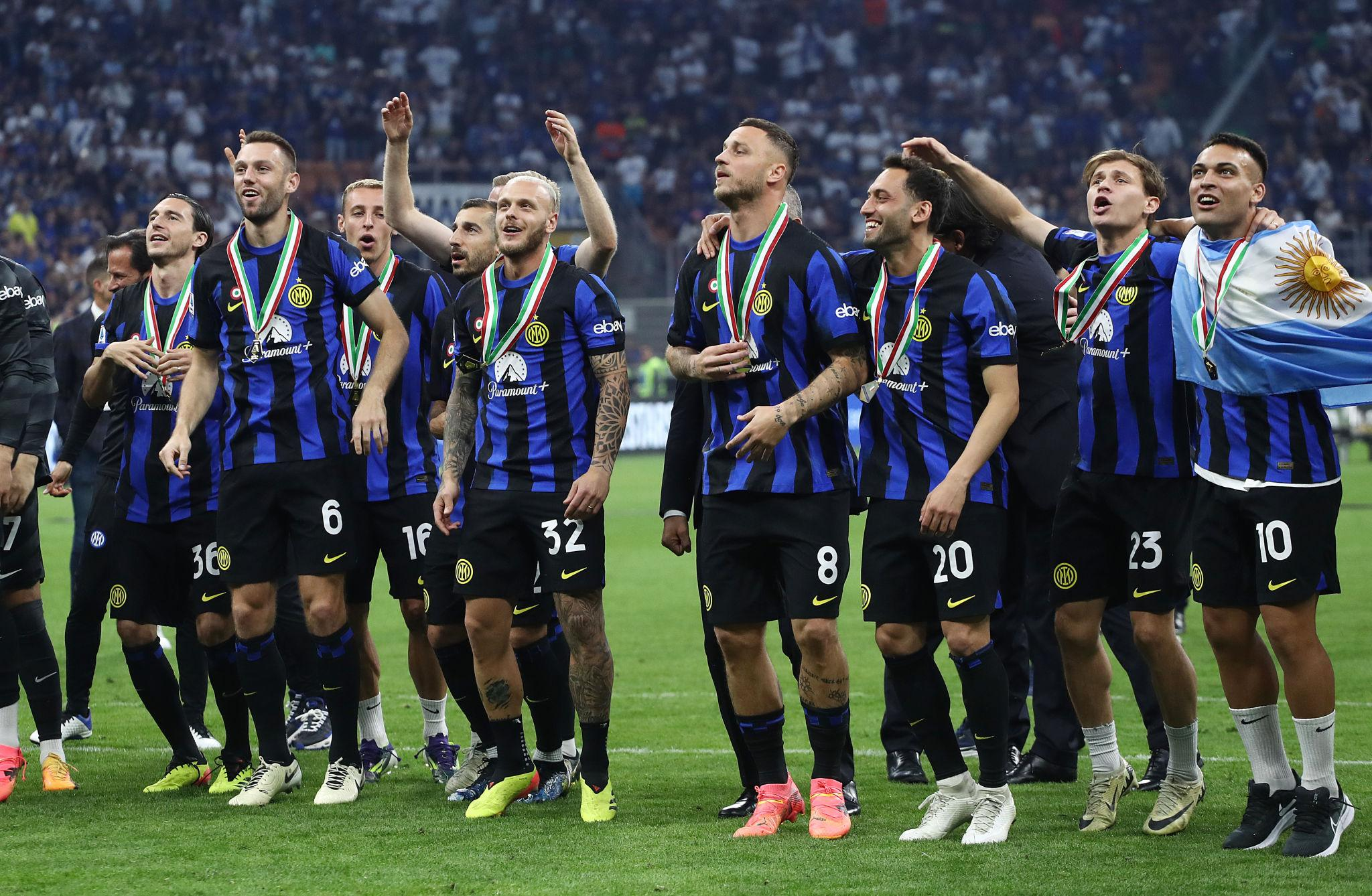
This victory gave Inter their 10th Coppa Italia title and completed a domestic double. It also placed the team in a historic category, with Inter becoming only the second club to reach double figures for Coppa Italia trophies, after Juventus.
The symbolism is powerful. Cristian Chivu, who was part of Inter’s legendary 2010 treble-winning side as a player, has now guided the club to a major domestic double as head coach. The achievement gives his first season a defining success and strengthens the sense that Inter have moved decisively beyond last season’s disappointments.
The broader legacy is also significant. This was Inter’s first domestic double since 2010, and only the third domestic double in the club’s history, matching the achievements of 2006 and 2010.
What the Defeat Means for Lazio
For Lazio, the final represented a chance to rescue a difficult season. Their league position had left them outside the European qualification places, making the Coppa Italia their most direct route back into continental football.
That opportunity disappeared with the 2-0 defeat.
The loss also underlined recurring issues: limited attacking production, vulnerability against Inter’s pressure, and costly defensive errors in decisive moments. Lazio’s route to the final had included tense knockout wins, but against Inter they lacked the precision required to turn effort into reward.
The emotional weight of the defeat was clear. Lazio were not beaten by a spectacular attacking avalanche. They were beaten by mistakes, efficiency, and an opponent with greater control of the game’s key phases.
The Tactical Lesson: Inter Played the Final Lazio Could Not
The defining contrast was not simply possession or shots. It was clarity.
Inter knew when to press, when to slow the game, and when to protect the lead. Their 89% pass accuracy, compared with Lazio’s 84.8%, reflected a team comfortable with the ball under final pressure. Their 25 touches inside the opposition box showed they carried enough threat to keep Lazio cautious even after taking control.
Lazio, meanwhile, were caught between urgency and uncertainty. They pushed forward but often lacked the final pass or finish. They made more tackles and clearances, but those defensive actions came from pressure rather than control. Their 10 aerial duels won, slightly more than Inter’s nine, showed commitment, but commitment alone was never going to be enough.
Inter won because they played the final on their terms.
Conclusion: A Trophy Night That Confirmed Inter’s Domestic Supremacy
Lazio vs Inter was a Coppa Italia final with two very different stakes. Lazio were chasing salvation for a frustrating campaign. Inter were chasing confirmation of a dominant one.
The final delivered that confirmation emphatically. A Marušić own goal opened the door, Lautaro Martínez walked Inter through it, and Chivu’s side managed the rest of the night with the composure of champions.
For Lazio, the defeat will linger as a painful reminder of missed chances and costly errors. For Inter, it will stand as one of the defining nights of a season in which they reclaimed domestic authority, lifted another trophy, and completed a double that connects this team to some of the most celebrated chapters in the club’s modern history.