

Lazio vs Inter Milan: Nerazzurri Turn Coppa Italia Final Into a Statement of Power
Inter Milan’s 2-0 victory over Lazio in the 2026 Coppa Italia final was more than a cup triumph. It was a confirmation of authority, a final act in a domestic season shaped by control, efficiency, and a ruthless ability to punish mistakes.
At the Stadio Olimpico in Rome on 13 May 2026, Inter defeated Lazio through a first-half own goal involving Adam Marušić under pressure and a decisive Lautaro Martínez finish in the 35th minute. The result delivered Inter’s 10th Coppa Italia title and completed a historic domestic double after their Serie A title success earlier in the campaign.
For Lazio, the final was a painful reminder of the distance between promise and execution. For Inter, it was another night that underlined why Cristian Chivu’s side had become the benchmark in Italian football.
A Final That Quickly Tilted Toward Inter
The Coppa Italia final arrived with a clear storyline: Lazio were trying to turn a difficult week into silverware, while Inter were chasing another trophy to complete a remarkable campaign.
Just days earlier, Inter had beaten Lazio 3-0 in Serie A at the same venue. That recent result gave the final an uncomfortable backdrop for the Roman side and added to the feeling that Lazio needed an almost perfect performance to reverse the momentum.
Instead, the opening phase belonged to Inter.
Federico Dimarco immediately became one of the defining figures of the final. Operating with width and precision on the left, he stretched Lazio’s defensive structure and repeatedly delivered dangerous balls into the box. In the 14th minute, one of those deliveries changed the match.
Dimarco’s corner created confusion near the Lazio goal. Marcus Thuram challenged for the ball, and Adam Marušić diverted it into his own net under pressure. Whether viewed as a forced defensive error or a product of Inter’s set-piece aggression, the goal gave the Nerazzurri exactly what they wanted: early control.
Lautaro Martínez Delivers the Killer Blow
Inter’s second goal arrived in the 35th minute and captured the difference between the teams.
Nuno Tavares hesitated near his own penalty area, Denzel Dumfries reacted sharply, and Inter turned a defensive lapse into a decisive attacking move. Dumfries won possession high up the pitch, drove forward, and squared the ball for Lautaro Martínez, who finished from close range to make it 0-2.
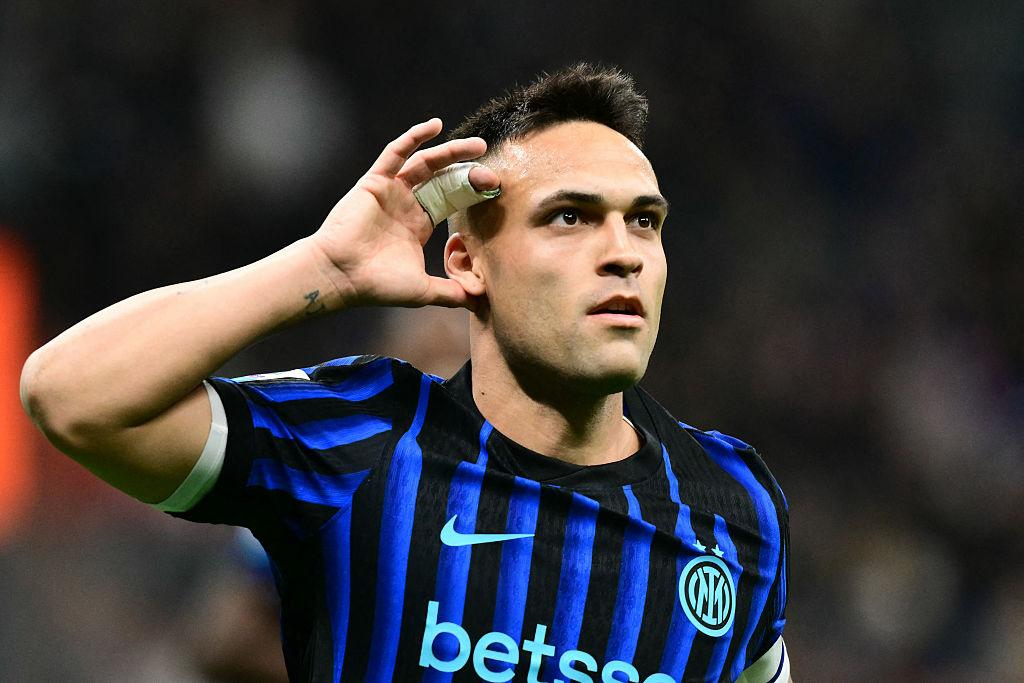
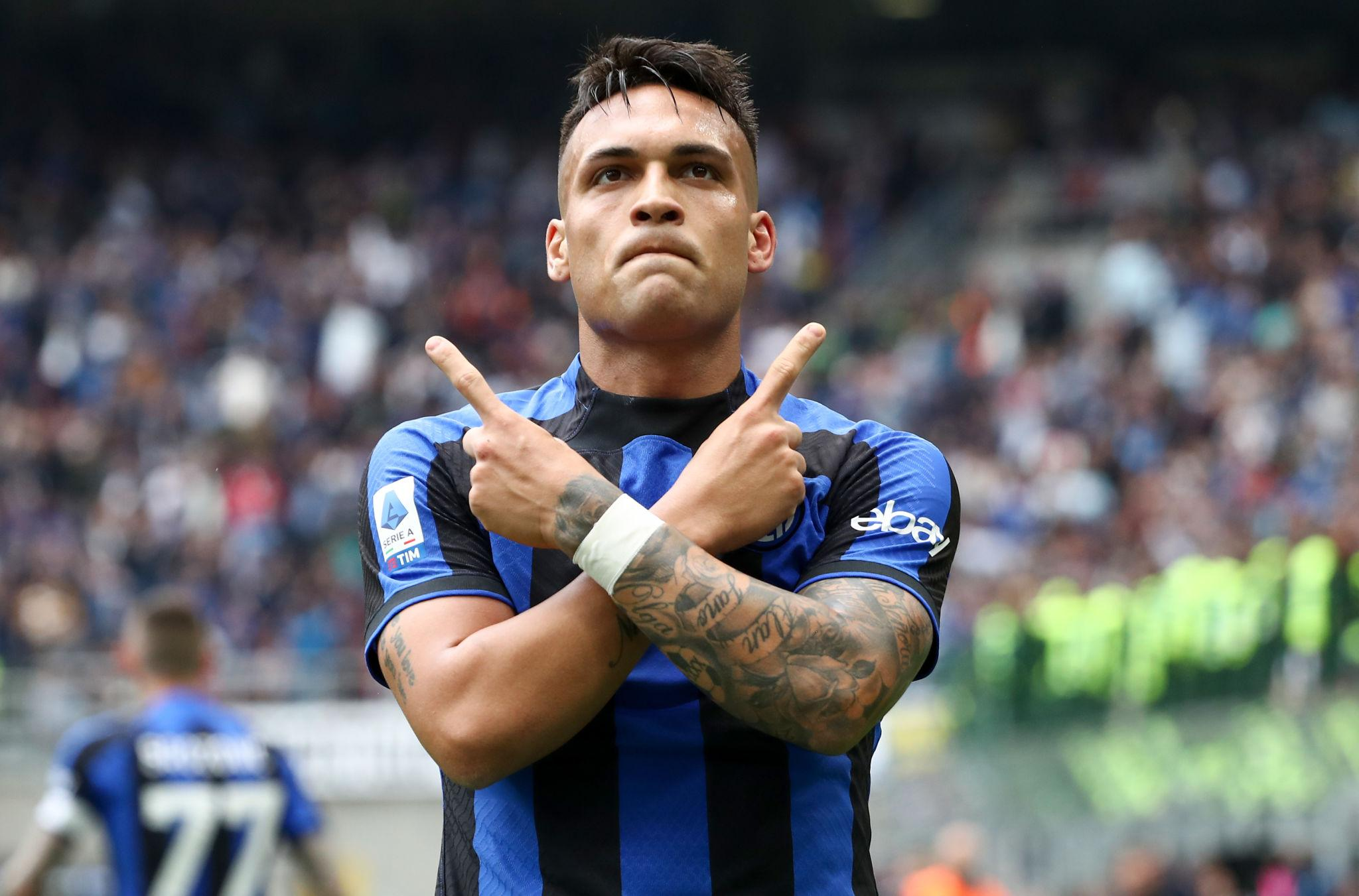
For Martínez, it was another major contribution in a cup final. The Inter captain has repeatedly shown a capacity to influence the biggest matches, and his goal against Lazio reinforced his status as the attacking leader of this Inter side. According to the supplied match details, it was his 22nd goal in all competitions during a season affected by injury interruptions.
The moment also fulfilled the pre-match hopes of former Inter defender Marco Materazzi, who had said: “As an Inter fan, I can only hope he leaves his mark on this final as well.”
Martínez did exactly that.
Why Inter Controlled the Match
Inter’s victory was not built on chaos or emotional surges. It was built on tactical clarity.
Chivu’s side pressed intelligently, forced Lazio into rushed decisions, and used the width of Dimarco and Dumfries to destabilize the opposition. Lazio struggled to progress cleanly through midfield, and whenever they tried to build from the back, Inter’s shape created traps.
The statistics reflected Inter’s authority:
Inter finished with 58% possession, 11 shots, four big chances, 28 touches in the opposition box, and 1.69 expected goals. Lazio managed 42% possession, eight shots, one big chance, and 0.73 expected goals.
Those numbers tell the story of a final in which Inter did not merely defend a lead. They managed the rhythm, limited Lazio’s threat, and created the better chances even after establishing a two-goal advantage.
Dimarco’s Influence Was Central
Lautaro’s goal grabbed attention, but Dimarco’s performance shaped the match.
The wing-back’s delivery led to the opener, and his constant movement on the left gave Lazio persistent problems. He created dangerous crossing situations, stretched the defensive line, and gave Inter a reliable attacking outlet throughout the contest.
In many ways, Dimarco symbolized Chivu’s Inter: tactically disciplined but aggressive when the opportunity appeared. His performance was not just about attacking output; it was about territory, pressure, and forcing Lazio into uncomfortable defensive choices.
Lazio Improved, But Never Truly Threatened a Comeback
Lazio showed more urgency after halftime. Tijjani Noslin curled narrowly wide, Boulaye Dia forced Josep Martínez into action, and substitutions added energy to the team. But the response lacked sustained danger.
Inter’s defensive structure remained compact. Yann Bisseck, Manuel Akanji, and Alessandro Bastoni protected the penalty area well, while Josep Martínez handled the few serious moments Lazio produced.
The Biancocelesti had reached the final through impressive knockout wins over Milan, Bologna, and Atalanta. That route showed resilience and quality. But against Inter, the margins were unforgiving. Two first-half mistakes became two goals, and the final moved beyond Lazio before they could impose themselves.
Chivu’s First Season Becomes Historic
The triumph completed a remarkable first season for Cristian Chivu.
After taking over from Simone Inzaghi, the former Inter defender guided the club to the Serie A title and Coppa Italia, making Inter the first Italian club since Juventus in 2017/18 to complete a domestic double. It was also Inter’s first league-and-cup double since the famous 2009/10 campaign.
After the win, Chivu summed up the achievement with a reminder that success at this level should not be treated as automatic:
“We won the League and the Coppa Italia, it is never to be taken for granted, so we’re very happy.”
That line matters because Inter’s dominance can make the season appear simple in hindsight. It was not. A double requires consistency, squad management, tactical adaptability, and the ability to deliver under pressure. Inter did all of that.
Lazio’s Defeat Raises Difficult Questions
For Lazio, the final ended with disappointment on multiple levels.
On the pitch, the defensive errors involving Marušić and Tavares proved decisive. In the stands, frustration toward club owner Claudio Lotito remained part of the broader mood surrounding the club. The defeat also left Lazio facing uncertainty over European qualification and their final Serie A position after an inconsistent domestic campaign.
The most difficult reality for Lazio is that this was not an isolated setback. Losing heavily to Inter in the league and then falling again in the final within days made the gap between the clubs feel visible and immediate.
Lazio reached the final on merit. But Inter exposed the difference between a strong cup run and a team built to dominate a season.
A Result That Defines the Italian Season
The Lazio vs Inter Milan Coppa Italia final will be remembered not only for the scoreline, but for what it represented.
Inter were sharper, calmer, stronger, and more clinical. Lazio had moments, but Inter had control. Martínez provided the decisive attacking touch, Dimarco dictated much of the match’s rhythm, and Chivu’s structure gave the Nerazzurri the platform to finish the job.
The 2-0 result confirmed Inter’s 10th Coppa Italia title, sealed a domestic double, and extended their recent dominance over Lazio. For Inter supporters, it was a night of celebration. For the rest of Serie A, it was a warning.
Chivu’s Inter are no longer just champions. They are the standard everyone else must chase.


