

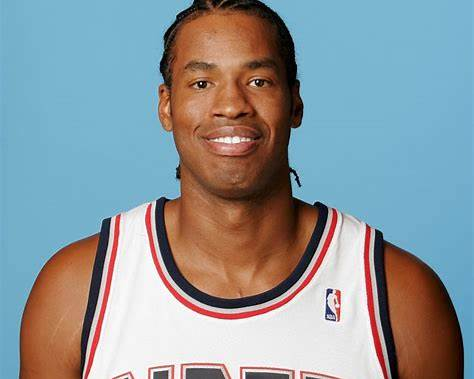
How Did Jason Collins Die? Inside the Former NBA Star’s Battle With Brain Cancer
Jason Collins, the former NBA center who made history as the league’s first openly gay active player, died on May 12, 2026, at the age of 47 after battling Stage 4 glioblastoma — one of the most aggressive forms of brain cancer. His death marked the end of a deeply personal and public fight that inspired many both inside and outside the sports world.
For many basketball fans, Collins was remembered as a dependable 7-foot center who spent 13 seasons in the NBA. But beyond the court, his legacy became much larger. In 2013, Collins broke barriers by publicly coming out as gay while still an active professional athlete, becoming a landmark figure in American sports history.
His death prompted tributes from the NBA community, former teammates, advocacy organizations, and political leaders who viewed Collins as far more than a basketball player. He became a symbol of courage, inclusion, and authenticity.

Jason Collins’ Cause of Death
Jason Collins died following complications related to glioblastoma, an aggressive and fast-growing type of brain cancer. According to statements released by his family and the NBA, Collins had been privately fighting the disease for months before publicly discussing his diagnosis.
In September 2025, Collins first revealed he was undergoing treatment for a brain tumor. By December, he disclosed in interviews that doctors had diagnosed him with Stage 4 “multiforme” glioblastoma, a rapidly spreading cancer with a notoriously difficult prognosis.
Collins openly acknowledged the seriousness of the illness. During interviews discussing his treatment, he explained that doctors estimated an average survival outlook of roughly 11 to 14 months for patients undergoing similar care.
Rather than withdrawing from public life, Collins chose to speak candidly about his condition.
“If that’s all the time I have left, I’d rather spend it trying a course of treatment that might one day be a new standard of care for everyone.”
His willingness to publicly discuss his illness mirrored the same openness and honesty that defined his groundbreaking coming out more than a decade earlier.
A Difficult Eight-Month Fight Against Glioblastoma
Collins’ family described his fight against cancer as “valiant.” In a statement released through the NBA, they said:
“We are heartbroken to share that Jason Collins, our beloved husband, son, brother and uncle has died after a valiant fight with glioblastoma.”
The family added that Collins “changed lives in unexpected ways” and thanked supporters for “the outpouring of love and prayers over the past eight months.”
According to reports, Collins underwent multiple forms of treatment, including medication, radiation therapy, and chemotherapy. He also pursued innovative treatment options in Singapore as doctors attempted to slow the progression of the disease.
Despite the physical toll, Collins remained active and engaged with the basketball community. After treatment, he was able to return home and even attended NBA All-Star Weekend events in Los Angeles earlier in 2026.
The disease, however, continued to progress aggressively.
Understanding Glioblastoma
Glioblastoma is considered one of the deadliest forms of brain cancer. The disease develops rapidly and is difficult to treat because tumor cells can spread deeply into brain tissue.
Common symptoms often include:
- Severe headaches
- Cognitive difficulties
- Memory loss
- Speech problems
- Seizures
- Vision complications
- Weakness or mobility issues
Treatment usually involves surgery when possible, followed by radiation and chemotherapy. However, even with aggressive treatment, recurrence rates remain extremely high.
Collins spoke publicly about the harsh realities of treatment, including dramatic weight loss during his illness. Reports noted he had dropped to approximately 240 pounds as treatment affected his body.
His openness about the disease helped bring attention to glioblastoma awareness and experimental treatment efforts.
Jason Collins’ NBA Career and Historic Legacy
Before becoming a cultural figure, Collins built a lengthy NBA career as a defensive-minded center known for toughness and professionalism.
Selected with the 18th overall pick in the 2001 NBA Draft, Collins played 13 NBA seasons with several franchises, including:
- New Jersey/Brooklyn Nets
- Memphis Grizzlies
- Minnesota Timberwolves
- Atlanta Hawks
- Boston Celtics
- Washington Wizards
While his statistics were modest — averaging 3.6 points and 3.7 rebounds per game — Collins carved out a respected role as a defensive specialist and locker-room leader.
He helped the Nets reach back-to-back NBA Finals appearances in 2002 and 2003 and earned praise for his ability to defend dominant centers during an era filled with elite big men.
Yet his most significant impact came away from basketball.
The Historic Moment That Changed Professional Sports
In April 2013, Jason Collins publicly came out as gay in a Sports Illustrated essay, becoming the first active male athlete in one of North America’s four major professional sports leagues to do so.
The announcement immediately became one of the most important moments in modern sports culture.
Collins later reflected on the overwhelming support he received, including personal calls from Oprah Winfrey and then-President Barack Obama.
“President Obama said ‘Congratulations — what you’ve done today will have a positive impact on someone you might not ever meet in your lifetime.’”
His decision helped shift conversations about LGBTQ+ inclusion in professional sports and inspired athletes across multiple leagues to live more openly.
When Collins returned to the NBA with the Brooklyn Nets in 2014, he officially became the first openly gay athlete to play in a major North American men’s professional sports league.
His jersey sales quickly surged, and the NBA donated proceeds connected to his merchandise to LGBTQ+ advocacy organizations.
Tributes From the NBA Community
Following news of Collins’ death, tributes poured in from throughout the basketball world.
NBA Commissioner Adam Silver described Collins as someone whose impact extended “far beyond basketball.”
“Jason Collins’ impact and influence extended far beyond basketball as he helped make the NBA, WNBA and larger sports community more inclusive and welcoming for future generations.”
Silver also praised Collins’ “kindness and humanity,” calling him a transformative figure within sports culture.
Former teammate and coach Jason Kidd expressed deep grief over the loss, describing Collins as a “pioneer” whose courage changed the game forever.
Organizations connected to LGBTQ+ advocacy also recognized Collins as a trailblazer whose visibility helped countless athletes and fans feel represented in spaces where they previously felt excluded.
His Personal Life and Final Years
In recent years, Collins focused heavily on advocacy work and served as an NBA Cares ambassador. He remained active in community outreach and inclusion initiatives throughout retirement.
He also found happiness in his personal life, marrying longtime partner and film producer Brunson Green in 2025. Reports indicated Green remained by his side throughout his cancer battle.
Friends and supporters frequently noted Collins’ positivity and resilience even while facing an illness with grim survival statistics.
During his final public appearances, Collins continued discussing the importance of honesty, compassion, and visibility — values that had defined his life since his groundbreaking announcement in 2013.
Why Jason Collins’ Story Still Matters
Jason Collins’ death resonated far beyond sports headlines because his life represented progress in multiple ways.
As a player, he was respected for professionalism and perseverance. As a public figure, he helped reshape how LGBTQ+ athletes were viewed in professional sports. And during his final months, he once again chose transparency by speaking openly about a devastating cancer diagnosis.
His story became one of visibility, courage, and empathy.
For younger athletes, Collins demonstrated that authenticity and success did not have to exist separately. For cancer patients and families, his willingness to discuss glioblastoma publicly offered awareness and solidarity.
Though his life ended at 47, Collins left behind a legacy that changed professional sports permanently.
Conclusion
Jason Collins died after battling Stage 4 glioblastoma, an aggressive form of brain cancer that he publicly revealed in late 2025. He was 47 years old.
But his legacy extends far beyond the details of his illness. Collins will be remembered not only as a longtime NBA veteran, but also as a pioneer whose courage transformed conversations around inclusion and identity in sports.
His impact reached millions of people — many of whom he would never meet — exactly as President Barack Obama predicted when Collins first made history in 2013.


