Cambridge Memorial Drive Shooting: How a Busy Boston-Area Road Became the Scene of Chaos
What began as an ordinary Monday afternoon along Memorial Drive in Cambridge, Massachusetts, quickly turned into one of the region’s most alarming public shootings in recent memory. Drivers scrambled for cover, pedestrians fled in panic, and gunfire echoed across one of the busiest corridors near the Charles River as authorities say a heavily armed man opened fire randomly at passing vehicles.
Investigators later identified the suspect as 46-year-old Tyler Brown of Boston, a man with a violent criminal history who had reportedly made threatening statements just hours before the attack. Prosecutors say Brown fired more than 50 rounds — with some reports placing the number above 60 — before a Massachusetts State Police trooper and a civilian Marine veteran intervened and stopped the rampage.
The Cambridge shooting has sparked renewed debate about mental health intervention, parole supervision, public safety, and gun violence in Massachusetts, while leaving victims, witnesses, and entire neighborhoods traumatized.
A Terrifying Afternoon on Memorial Drive
The shooting unfolded shortly after 1 p.m. Monday on Memorial Drive between River Street and Pleasant Street Extension in Cambridge, near Harvard University and the Massachusetts Institute of Technology.
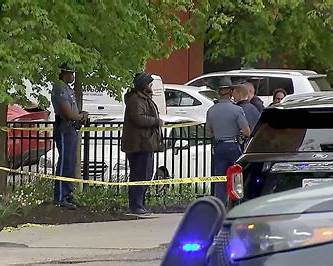
Authorities say Brown walked along the roadway carrying an assault-style rifle and fired indiscriminately at passing cars and people nearby. Prosecutors later revealed that more than a dozen vehicles were struck by bullets, including a Massachusetts State Police cruiser.
Witnesses described scenes of panic as drivers attempted dangerous U-turns to escape the gunfire. Others abandoned their vehicles entirely.
One witness recalled the horrifying moment the gunman appeared directly beside his car.
“We heard gunshots. Cars started turning around. I opened my car door to peek out to see what was going on, and the shooter was right there. He was aimed right at me. I got low, and I took off.”
Another witness, interviewed after the incident, said:
“I was running for my life.”
The attack occurred in broad daylight on a heavily traveled roadway frequently used by commuters, cyclists, joggers, students, and tourists enjoying the Charles River area.
Middlesex County District Attorney Marian Ryan later emphasized how crowded the area normally is.
“There is no one in this room who hasn’t had occasion to travel along that stretch of Memorial Drive, particularly on a beautiful day like today. What happened today cannot stand.”
The Victims: Innocent Drivers Caught in the Gunfire
Two bystanders sitting in separate vehicles were struck by bullets and suffered life-threatening injuries. Authorities confirmed the victims were not connected to Brown in any way.
One of the injured men was later identified by family members as 34-year-old Casmir Bangoura, a DoorDash driver returning to his Cambridge apartment when he was shot multiple times.
His uncle, Soufi Yomuno, described Bangoura as quiet and kindhearted.
“He is a cool guy. He’s my nephew, very cool, very quiet. I’m expecting him to be alive. I’m just thankful to God. I expect him to be alive.”
The victims were transported to Boston hospitals for emergency treatment and remained hospitalized following the attack.
The randomness of the violence has deeply unsettled residents throughout Cambridge and Boston. Many local residents described the psychological impact of witnessing gunfire erupt in an area typically associated with recreation and academic life rather than violent crime.
How the Shooting Was Stopped
Authorities say the attack lasted only minutes, but the situation could have become far deadlier without rapid intervention.
According to prosecutors, a Massachusetts State Police trooper and a civilian Marine veteran independently confronted Brown instead of fleeing the area. Both opened fire on the suspect, striking him in the extremities and ending the assault.
District Attorney Marian Ryan praised both individuals for their actions.
“While people were jumping from their cars, scattering in various directions … both that trooper and that civilian, rather than going in one direction, went toward the suspect with their weapons to try to end that situation.”
The former Marine has since been described by witnesses as a hero.
One woman trapped in traffic during the shooting later said the ex-Marine may have saved her life.
Authorities arrested Brown at the scene after he received medical treatment for gunshot wounds. Officials later confirmed he was being held in custody at a hospital.
Police Reports Reveal Disturbing Warnings Before the Attack
As investigators pieced together the events leading up to the shooting, newly released police documents painted an increasingly troubling picture.
According to Massachusetts State Police reports, Brown allegedly made threatening and suicidal statements during a FaceTime call with his parole officer just hours before the Memorial Drive shooting.
Investigators documented statements including:
“These people are gonna (expletive) pay”
and
“I’m not going back to prison.”
During the call, Brown reportedly displayed a weapon and threatened self-harm.
The alarming interaction prompted Boston police to seek a warrant to ping Brown’s cellphone location, which eventually led authorities to Cambridge shortly before the shooting began.
The report also revealed Brown had recently been released from McLean Psychiatric Hospital, where he had reportedly been diagnosed with PTSD, anxiety, and depression.
Those disclosures have intensified public scrutiny regarding whether additional intervention might have prevented the attack.
Tyler Brown’s Criminal Background
Brown’s criminal history has become a major focus of public discussion in the aftermath of the shooting.
Authorities confirmed Brown previously pleaded guilty in 2021 to several serious offenses, including:
- Armed assault with intent to murder
- Attempted assault and battery by means of discharging a firearm
Those charges stemmed from an earlier incident in which Brown fired at a Boston police officer. At the time of that earlier shooting, Brown was already on probation connected to a separate 2014 conviction.
Brown ultimately received a prison sentence of five to six years and was released on parole in May 2026 — only days before the Memorial Drive shooting.
The revelation that Brown had recently left prison and psychiatric care has fueled debate about parole supervision systems, risk assessment, and firearm access.
A Community Left Shaken
Residents along Memorial Drive say the incident has transformed how they view the area.
Bobby Sanchez, who lives nearby, described the emotional toll on families who watched the gunfire unfold outside their homes.
“I’m hoping as us as a community will come together and bring safety and justice to the ones affected as of yesterday.”
Witnesses said the sound of repeated gunfire created confusion and terror, with some initially unsure whether they were hearing fireworks or a traffic accident before realizing a shooter was targeting vehicles.
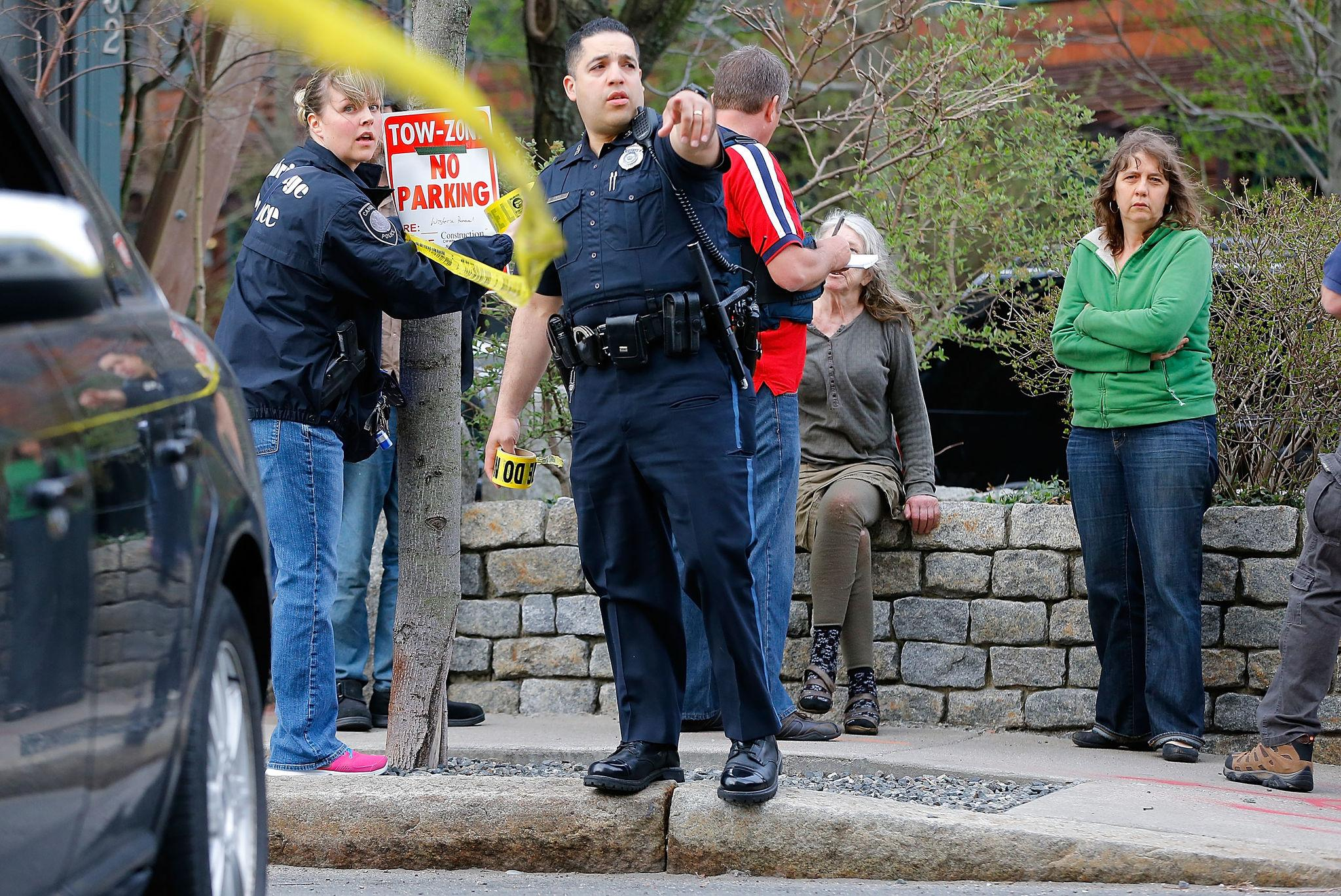
The shooting also disrupted traffic across Cambridge and Boston for hours as heavily armed police units sealed off roads and investigators collected evidence from bullet-riddled vehicles.
Questions About Mental Health and Public Safety
The Cambridge shooting is already prompting broader conversations across Massachusetts regarding mental health systems and criminal justice oversight.
Several key questions have emerged:
Could Earlier Intervention Have Prevented the Shooting?
Police reports suggest Brown exhibited escalating warning signs before the attack, including threats, suicidal statements, and weapon possession during contact with his parole officer.
Critics argue that the combination of mental health concerns, violent criminal history, and recent parole status should have triggered more urgent intervention.
How Did a Convicted Violent Offender Access an Assault-Style Rifle?
Investigators have not yet publicly explained how Brown obtained the weapon used during the shooting. That question is likely to become central to ongoing investigations.
What Role Did Civilian Intervention Play?
The civilian Marine veteran’s involvement has drawn widespread attention. Prosecutors and witnesses have credited the former Marine with helping stop the attack before additional casualties occurred.
The case may reignite national debates surrounding civilian firearm possession, self-defense, and public intervention during active shooter situations.
Charges Against Brown
Tyler Brown is expected to face multiple serious criminal charges, including:
- Two counts of armed assault with intent to murder
- Firearm-related offenses
- Additional charges connected to the shooting rampage
Officials said Brown was not medically fit to appear in court immediately following the incident. Public defenders were appointed to represent him.
Authorities continue investigating the full timeline leading up to the attack.
A Shooting That Has Gripped Cambridge and Boston
The Memorial Drive shooting stunned residents throughout Cambridge and Boston not only because of its violence, but because of where it happened.
Memorial Drive is typically associated with riverfront recreation, universities, and daily commuting — not mass public gunfire.
For many residents, the randomness of the attack has become the most unsettling detail. Prosecutors emphasized that the victims were selected purely by circumstance.
In the days ahead, investigators are expected to continue examining Brown’s mental health history, parole status, weapon access, and prior warnings in an effort to understand how the violence unfolded.
Meanwhile, survivors, witnesses, and families of the victims continue coping with the trauma left behind by an afternoon that transformed a busy Cambridge roadway into a scene of terror.