
Alicia Keys in 2026: From American Idol to the Art World, a Cultural Icon Keeps Expanding Her Legacy
Few artists have managed to evolve with the cultural landscape as seamlessly as Alicia Keys. More than two decades after emerging as one of the defining voices of modern R&B, Keys remains at the center of music, theater, television, and even contemporary art conversations in 2026.
- Alicia Keys Takes Center Stage on the ‘American Idol’ Finale
- Why Alicia Keys Remains Relevant Across Generations
- ‘Hell’s Kitchen’ Brings Alicia Keys’ Music to the Theater World
- Alicia Keys and Swizz Beatz Are Reshaping the Art World
- The Cultural Significance of Alicia Keys’ Creative Evolution
- Mentorship Has Become Central to Alicia Keys’ Identity
- What Comes Next for Alicia Keys?
- A Legacy Still Being Written
This spring alone, the Grammy-winning singer-songwriter has appeared in two major entertainment headlines: serving as a guest mentor and performer during the high-profile American Idol Season 24 finale, while simultaneously drawing acclaim for Hell’s Kitchen, the Broadway-inspired musical built around her catalog. At the same time, Alicia Keys and her husband Swizz Beatz continue expanding their influence in the art world through their celebrated “Giants” exhibition, which showcases Black artists and emerging creative voices.
Taken together, these moments reveal something larger than celebrity longevity. Alicia Keys has transformed herself from chart-topping musician into a multidimensional cultural institution.
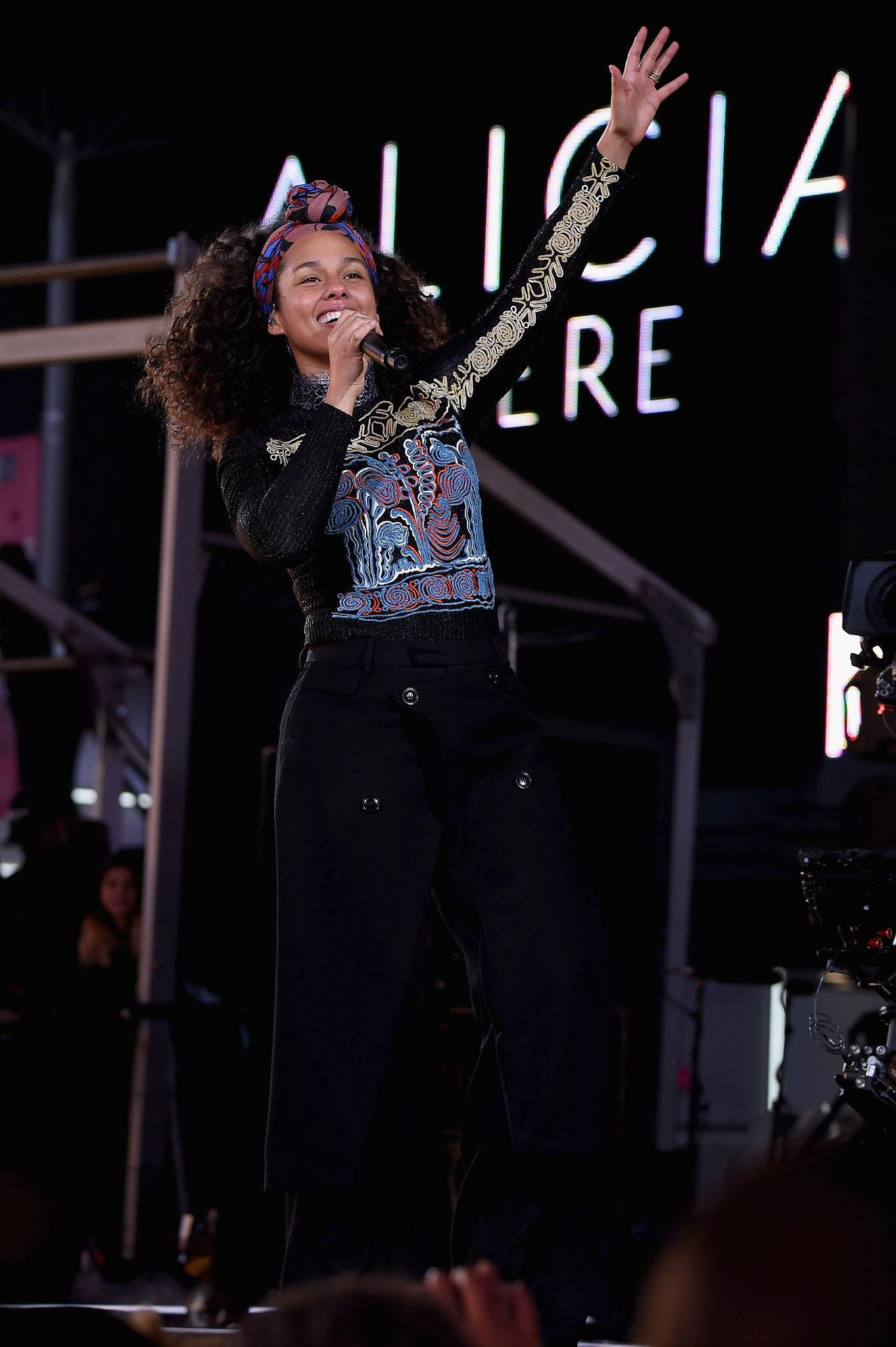

Alicia Keys Takes Center Stage on the ‘American Idol’ Finale
On May 11, 2026, millions of viewers tuned into ABC for the three-hour finale of American Idol Season 24, where Alicia Keys played one of the evening’s most prominent roles.
The finale featured the competition’s final three contestants:


- Keyla Richardson of Pensacola, Florida
- Hannah Harper of Willow Springs, Missouri
- Jordan McCullough of Murfreesboro, Tennessee
Keys joined the broadcast as both a guest mentor and performer, helping contestants prepare for what would likely become the biggest performance night of their careers. The finale also included appearances from Jason Mraz, Nelly, Brad Paisley, Tori Kelly, Clay Aiken, En Vogue, Shinedown, and Mötley Crüe, among others.
The scale of the event reflected the enduring popularity of the reality competition series. According to reports surrounding the finale, Season 24 drew strong audience engagement throughout its run, fueled by passionate fan voting and the emotional connection viewers developed with contestants.
For Alicia Keys, however, the appearance represented more than another television performance.
Her role as mentor aligned with a career-long reputation for artistic guidance, emotional authenticity, and musical credibility. Over the years, Keys has become a trusted figure in the industry — someone whose opinions and coaching carry significant weight for emerging artists.


The finale aired live at 8 p.m. ET on ABC and streamed on Disney+ and Hulu. Viewers voted through the American Idol website, text messaging, and social media platforms including Facebook, Instagram, and TikTok.
Why Alicia Keys Remains Relevant Across Generations
Many artists from the early 2000s struggle to maintain cultural relevance beyond nostalgia tours and anniversary albums. Alicia Keys has largely avoided that trap.
Part of her staying power comes from the versatility of her catalog. Songs like:
- “Fallin’”
- “If I Ain’t Got You”
- “No One”
- “Girl on Fire”
continue to resonate with multiple generations of listeners because they combine emotional intimacy with broad accessibility.
But her continued relevance also stems from her willingness to evolve beyond traditional music industry expectations.
Rather than limiting herself to recording and touring, Keys has steadily expanded into:
- Television mentorship
- Musical theater
- Philanthropy
- Producing
- Creative direction
- Contemporary art advocacy
This multidimensional approach has allowed her to remain visible in vastly different cultural spaces simultaneously.
‘Hell’s Kitchen’ Brings Alicia Keys’ Music to the Theater World
One of the clearest examples of Alicia Keys’ artistic expansion is Hell’s Kitchen, the musical inspired by her life and music.
The production, which premiered at New York’s Public Theater in 2023 before moving to Broadway in 2024, has become both a critical and audience success. In 2026, the North American tour arrived in San Francisco, earning praise for its performances and reinterpretation of Keys’ music.
The story follows Ali, a 17-year-old girl growing up in New York during the 1990s, navigating family tensions, identity, mentorship, and the power of music. While inspired by Keys’ experiences, the production is not a strict autobiography.
Critics have praised how familiar Alicia Keys songs are reimagined within the narrative.
Among the standout musical moments:
- “Girl on Fire” captures a transformative emotional breakthrough
- “Fallin’” becomes a flirtatious exchange between Ali’s parents
- “If I Ain’t Got You” underscores a tender father-daughter scene
- “No One” symbolizes reconciliation and healing
The musical’s success demonstrates how deeply Alicia Keys’ songwriting has embedded itself into contemporary culture. Her music is emotionally adaptable enough to support dramatic storytelling on stage — a rare achievement for pop and R&B artists.
The production also highlights the theatrical quality already present in her music: vulnerability, emotional arcs, and strong narrative imagery.
Alicia Keys and Swizz Beatz Are Reshaping the Art World
While many fans know Alicia Keys primarily as a musician, her work in the visual arts space has quietly become one of the most significant chapters of her career.
Together with producer Swizz Beatz, Keys has built an influential contemporary art collection centered heavily on Black artists and underrepresented voices. Their traveling exhibition, “Giants: Art from the Dean Collection of Swizz Beatz and Alicia Keys,” has become a major cultural event.
The exhibition includes works from acclaimed artists such as:
- Jean-Michel Basquiat
- Gordon Parks
- Mickalene Thomas
- Lorna Simpson
- Hank Willis Thomas
- Malick Sidibé
In interviews surrounding the exhibition, Alicia Keys emphasized that their collecting philosophy is driven by emotional connection rather than investment strategy.
“You should collect what you feel,” Swizz Beatz explained while discussing their approach to art collecting.
Keys echoed that perspective, describing how relationships with artists matter as much as the artwork itself.
Their approach has resonated because it challenges the exclusivity often associated with elite art institutions. Through initiatives like “No Commissions,” where artists reportedly keep 100% of their sales, the couple has positioned themselves as advocates for creative accessibility and artistic ownership.
The Cultural Significance of Alicia Keys’ Creative Evolution
Alicia Keys’ current trajectory reflects a broader shift happening within entertainment and celebrity culture.
Modern audiences increasingly value artists who operate across disciplines rather than staying confined to one medium. Keys represents a successful model of this transition:
| Creative Area | Alicia Keys’ Role |
|---|---|
| Music | Singer-songwriter and performer |
| Television | Mentor and live-event performer |
| Theater | Creator and inspiration behind Hell’s Kitchen |
| Art | Collector and curator |
| Culture | Advocate for Black creativity and representation |
This multidimensional influence also changes how artists build legacy.
Instead of relying solely on album sales or chart performance, Keys has built an ecosystem of cultural participation — one that allows her work to remain relevant in music, visual arts, and live performance simultaneously.
Mentorship Has Become Central to Alicia Keys’ Identity
Another recurring theme across Alicia Keys’ recent projects is mentorship.
Whether guiding American Idol contestants or supporting emerging artists through art initiatives, Keys increasingly occupies the role of cultural mentor rather than simply entertainer.
That transition mirrors the evolution of several long-career musicians who move from individual stardom toward institution-building and legacy creation.
For younger performers appearing on American Idol, the presence of Alicia Keys carries symbolic importance. She represents an artist who achieved commercial success without sacrificing musicianship, emotional depth, or creative independence.
That reputation gives her advice unusual credibility in an era often dominated by viral fame and short attention cycles.
What Comes Next for Alicia Keys?
The momentum surrounding Alicia Keys in 2026 suggests her influence may continue expanding far beyond music.
Several possible future directions appear increasingly likely:
Expanded Theater Projects
The success of Hell’s Kitchen could lead to additional stage productions or film adaptations tied to her catalog.
Greater Art-World Presence
The “Giants” exhibition may continue evolving internationally, further establishing Keys and Swizz Beatz as major cultural curators.
More Television Roles
Her mentorship work on American Idol demonstrates how naturally she fits into live television and talent development formats.
Cross-Disciplinary Collaborations
Keys’ ability to bridge music, art, storytelling, and cultural commentary positions her for future multimedia projects.
A Legacy Still Being Written
For many artists, legacy becomes a retrospective discussion. Alicia Keys, however, continues actively shaping hers in real time.
In 2026 alone, she has appeared as:
- a mentor to rising performers,
- a celebrated songwriter in musical theater,
- a curator and advocate in the art world,
- and a cultural voice helping redefine creative leadership.
That breadth of influence explains why Alicia Keys remains one of the most respected figures in entertainment today.
Rather than simply revisiting past success, she continues building new platforms for creativity, representation, and artistic expression — ensuring her impact extends far beyond the recording studio.