

American Idol’s New Star: How Hannah Harper Captured America’s Heart
The latest season of American Idol ended with soaring gospel vocals, emotional storytelling, and a powerful reminder of why the long-running competition still shapes American music culture more than two decades after it first premiered.
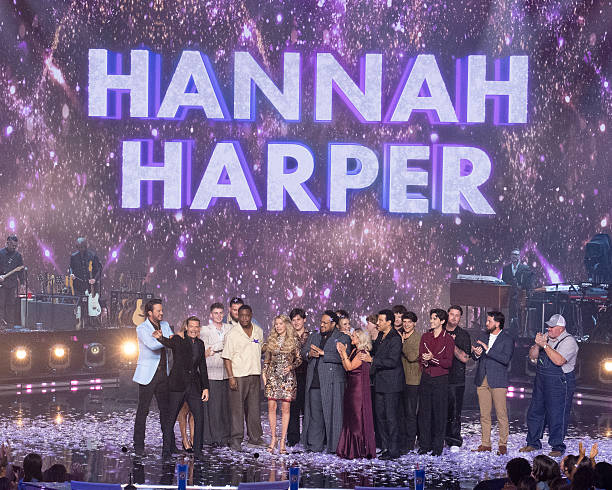
In a dramatic Season 24 finale, 25-year-old Hannah Harper from southeast Missouri emerged victorious, becoming the newest winner of the ABC singing competition. But Harper’s journey to the top was about far more than vocal talent. Her rise reflected changing trends in American music, the growing dominance of country and faith-inspired storytelling, and the enduring emotional connection audiences continue to have with American Idol.
From an original audition song about postpartum depression to a finale performance drenched in confetti and gospel emotion, Harper’s season became one of the show’s most talked-about storylines in years.

A Finale Rooted in Emotion and Faith
Harper sealed her victory by performing the gospel ballad “At The Cross (Love Ran Red)” during the Season 24 finale. The emotional performance immediately resonated with viewers and judges alike as confetti filled the stage and the Missouri singer officially became the newest American Idol champion.
Her path to victory began months earlier during auditions in Nashville, where she introduced herself not only as a singer, but also as a mother of three with a deeply personal story to tell.
Instead of choosing a popular cover song, Harper performed an original composition titled “String Cheese,” inspired by her experience with postpartum depression. The performance quickly became one of the defining moments of the season.
In the audition, Harper described the emotional struggles she faced after becoming a mother.
“Everybody just wants to touch you, and I didn’t want to be touched. I was just having a pity party, praying that the Lord would calm my spirit,” Harper explained to the judges.
The emotional centerpiece of the song revolved around a simple moment involving one of her children and a packet of string cheese — a moment that helped her reconnect with motherhood and perspective.
Lyrics such as:
“I smile because I know meeting their needs fills my soul / Being their mama is, who I’m meant to be”
left the judges visibly emotional.
Carrie Underwood, herself both an American Idol alum and mother of two, responded tearfully:
“Well that’s about the most relatable song I’ve ever heard.”
The audition video later surpassed one million views online, transforming Harper from a regional singer into a national phenomenon almost overnight.
The Country Music Era of American Idol
Harper’s victory also highlighted a broader shift happening across the American music industry.
For years, pop music dominated talent competitions and mainstream charts. But recent years have seen country music reclaim enormous commercial power, with artists such as Morgan Wallen and Ella Langley dominating streaming platforms and radio playlists.
Even major pop stars have begun moving into country-inspired music. Beyoncé and Post Malone have both explored country crossover projects, signaling how influential the genre has become across the wider industry.
Against that backdrop, Harper’s bluegrass-infused style fit perfectly into the current musical climate.
Throughout the season, judges Lionel Richie, Luke Bryan, and Carrie Underwood repeatedly compared Harper’s sound and storytelling approach to legendary artists including:
- Dolly Parton
- Alison Krauss
- Kacey Musgraves
The finale itself reinforced country and Christian music’s growing influence. Runner-up Jordan McCullough, a 27-year-old church leader from Tennessee, also leaned heavily into faith-centered performances throughout the competition.
Together, the finalists represented a version of American Idol increasingly centered on authenticity, emotional storytelling, and roots-based American music traditions.
The Reality Behind Winning American Idol
Winning American Idol brings enormous exposure — but it also comes with business realities many viewers never fully understand.
Harper is reportedly set to receive a major prize package after her victory, though much of it works differently than audiences might expect.
The $250,000 Prize Money
The winner’s prize includes $250,000, but it is not paid immediately in one lump sum.
Instead:
- Harper reportedly receives $125,000 after signing her contract
- The remaining $125,000 arrives after completing her debut album
However, there is an important condition attached to the money.
The payout functions as an advance, meaning the funds are effectively recouped through future album sales and streaming revenue before the artist earns additional profits.
Former American Idol winner Kelly Clarkson has previously spoken openly about how misleading reality competition prize structures can sometimes appear publicly.
Clarkson once explained:
“I literally was on the show, and they were like, ‘Oh, you win a million dollars or whatever.’ No, you didn’t. They lie.”
According to Clarkson, the reward was less a direct cash payout and more “a $1 million worth of investment in you.”
The Recording Contract and Music Industry Stakes
One of the most significant rewards for any American Idol winner is the recording contract itself.
Harper is expected to sign with Hollywood Records, the Disney-owned label connected to ABC’s parent company.
The label reportedly provides approximately $300,000 toward production and recording costs for a debut album. But like the prize money, those costs may eventually be recouped from the artist’s future earnings.
Royalty arrangements for winners are estimated to sit around 15 percent, reflecting standard industry contracts for emerging artists signed through major entertainment platforms.
For Harper, the opportunity represents both massive exposure and significant pressure. American Idol winners often face the challenge of transforming television popularity into a sustainable music career once the cameras stop rolling.
Carrie Underwood’s Full-Circle Role
Season 24 carried extra symbolic weight because Carrie Underwood returned to the franchise as a judge after winning the competition herself years earlier.
Underwood’s presence connected two generations of American Idol success stories.
During the finale, she also drew major attention for an unexpected collaboration with rock legends Mötley Crüe. The performance became one of the most discussed moments of the night, with many viewers praising Underwood’s commanding vocals during the medley of “Home Sweet Home” and “Kickstart My Heart.”
Offstage, Underwood continues balancing her television role with family life. Reports published after the finale suggested the singer is intentionally slowing her professional pace to spend more time with husband Mike Fisher and their children.
Her role on American Idol has therefore become larger than simple judging. She now represents the blueprint contestants hope to follow: a performer who successfully turned reality television fame into long-term entertainment industry success.
A Mother’s Sacrifice Behind the Scenes
Harper’s win also carried emotional weight because of what she sacrificed to reach the finale.
The Season 24 finale aired the day after Mother’s Day, and Harper later admitted it was her first Mother’s Day spent away from her children, who remained approximately 1,700 miles away in Missouri.
Speaking backstage after her victory, Harper shared:
“I cried a lot. I can’t wait to be home with them. All day, I was just pretending like it wasn’t the day. It was hard.”
She also praised her husband for supporting her dream throughout the competition.
“My husband has had to sacrifice everything so that I could be here. … He’s had to give up his entire life, his work, to be Mr. Mom.”
Those comments further deepened public affection for Harper, whose image throughout the season centered on family, vulnerability, and authenticity rather than celebrity glamour.
Why American Idol Still Matters in 2026
After more than two decades on television, American Idol continues proving its cultural relevance.
The series has survived changing television habits, the rise of streaming, social media transformations, and increased competition from countless talent platforms. Yet it remains uniquely capable of turning ordinary people into nationally recognized stars almost overnight.
What keeps the format alive is not simply vocal talent. It is storytelling.
Viewers increasingly connect with contestants who reflect real struggles and relatable experiences. Harper’s openness about motherhood and mental health gave audiences something deeper than a singing competition narrative.
At the same time, the show remains deeply tied to broader music industry trends. This season reflected:
- the ongoing rise of country music
- increased interest in faith-driven performances
- demand for emotionally honest songwriting
- audiences favoring authenticity over manufactured celebrity
Harper’s success may ultimately become a defining example of this new entertainment landscape.
What Comes Next for Hannah Harper?
Now begins the difficult part.
Winning American Idol guarantees visibility, but sustaining a music career requires consistent releases, touring, branding, and audience retention long after the finale ends.
Still, Harper enters the industry with several major advantages:
- a strong emotional connection with fans
- viral social media momentum
- an identifiable artistic style
- songwriting ability
- crossover appeal between country, gospel, and Americana audiences
Her single “String Cheese” has already established a personal narrative many fans appear eager to follow.
Shortly after winning, Harper posted on Instagram:
“What a wild, beautiful journey this has been. And somehow we’re just getting started.”
For American Idol, those words may matter just as much as the victory itself.
Because after 24 seasons, the show’s greatest success remains the same: convincing audiences that someone’s dream is only beginning.


