

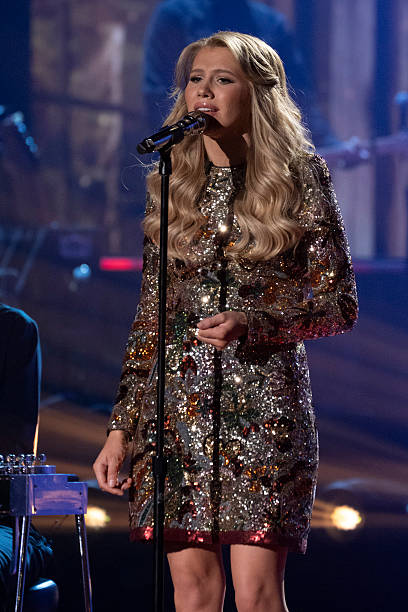
Hannah Harper: The Missouri Mom Who Became America’s New Country Star
Hannah Harper’s rise from a small-town Missouri church singer to the winner of American Idol Season 24 is more than a reality television success story. It is a deeply personal narrative about motherhood, sacrifice, vulnerability, and the enduring power of country music storytelling.
On May 11, 2026, Harper was crowned the newest American Idol champion after weeks of emotional performances that connected with audiences across the United States. Competing against finalists Jordan McCullough and Keyla Richardson, Harper ultimately emerged as the fan favorite, delivering a finale performance that cemented her place as one of the show’s most memorable winners.
For millions of viewers, Hannah Harper represented something authentic — a working-class mother balancing family responsibilities with artistic ambition, while openly sharing struggles many people rarely discuss publicly.
A Small-Town Singer With a Powerful Story
Hannah Harper came into the competition as a 25-year-old stay-at-home mother of three from Willow Springs, Missouri. Raised in a family deeply rooted in bluegrass gospel music, she spent much of her childhood performing at churches and local community gatherings.
Music was woven into her life from an early age. Harper began singing publicly around the age of nine, often alongside family members. Despite her natural talent, adulthood shifted her priorities toward marriage, motherhood, and family life.
She married young and devoted herself largely to raising her children while serving as a worship leader at a small Missouri church, where she met her husband, Devon Mendenhall. Throughout those years, music remained a constant part of her identity, even when professional ambitions appeared distant.
That background became central to her appeal on American Idol. Harper did not arrive as a polished industry product. Instead, she brought deeply personal experiences and emotional honesty that resonated strongly with audiences.
“String Cheese” Changed Everything
Harper’s breakthrough moment came during her audition performance of her original song, “String Cheese.”
The song addressed her struggles with postpartum depression following the birth of her third child — a topic rarely explored so openly on mainstream television talent competitions.
The emotional performance moved judge Carrie Underwood to tears. Underwood later described it as “the most relatable song” she had ever heard.
The audition quickly became one of the most talked-about moments of the season. According to reports, clips of the performance accumulated more than 100 million plays online, transforming Harper into an overnight sensation.
The song’s honesty became her defining characteristic throughout the competition. Rather than relying solely on vocal acrobatics, Harper connected through storytelling — a hallmark of traditional country music.
Her growing popularity demonstrated that audiences still respond powerfully to authenticity.
A Historic Win for Country Music
Harper’s victory carried broader significance beyond the television competition itself.
With her win, she became the first female country singer to win American Idol since Carrie Underwood claimed the title in Season 4 in 2005. Several reports also described her victory as a major milestone for female country representation on the show.
Country music has long maintained a strong presence on American Idol, but female country artists have historically struggled to dominate the competition in recent years. Harper’s success suggested a renewed appetite for traditional country storytelling mixed with emotional transparency.
Her performances throughout the season consistently leaned into those strengths.
Among the standout songs she performed were:
- “A Broken Wing” by Martina McBride
- “Heads Carolina, Tails California” by Jo Dee Messina
- “Mean” by Taylor Swift
- “Landslide” by Fleetwood Mac
- “Go Rest High On That Mountain” by Vince Gill
- “At the Cross (Love Ran Red)”
Each performance highlighted a different side of Harper’s artistry — from classic country confidence to vulnerable spiritual reflection.
The Jo Dee Messina Surprise That Captured Fans’ Hearts
One of the most memorable moments of Harper’s American Idol journey occurred during her hometown visit to Willow Springs, Missouri.
While performing Jo Dee Messina’s hit “Heads Carolina, Tails California” in front of a hometown crowd, Harper was unexpectedly joined on stage by Messina herself.
The surprise duet instantly became a viral moment.
“Jo Dee Messina, everybody,” Harper exclaimed after realizing what was happening. “Welcome to Willow Springs, Jo Dee!”
Messina had previously watched Harper perform the song during the show’s Judges’ Song Contest round and admitted she was emotional after hearing Harper’s rendition.
“Okay, Hannah, you’re not allowed to sing it better to me,” Messina joked while reacting to Harper’s televised performance.
The surprise appearance reinforced Harper’s growing credibility within the country music community. Established artists were no longer simply noticing her — they were actively embracing her as one of their own.
Emotional Finale Performances Cemented Her Victory
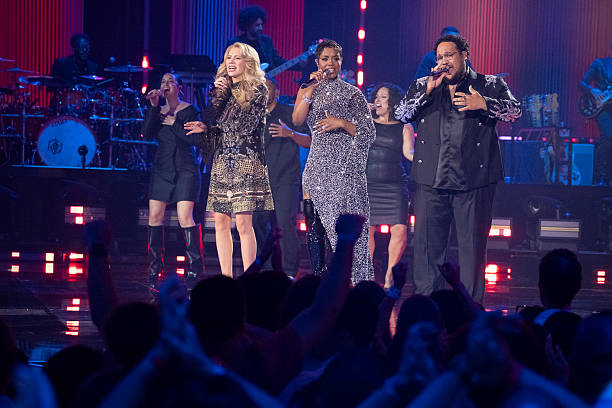
The three-hour American Idol finale showcased Harper at her emotional best.
One of the evening’s standout moments came when she performed Lee Ann Womack’s iconic “I Hope You Dance” alongside Womack herself. The duet created one of the most emotionally charged performances of the night, with audience members and Harper’s family visibly moved.
The performance also highlighted Harper’s ability to hold her own alongside an established country music legend.
Later in the finale, Harper delivered a deeply emotional rendition of Chris Tomlin’s “At The Cross (Love Ran Red)” as confetti fell around her following the announcement of her victory.
Her finale also showcased her songwriting abilities. Harper became the only Top 3 contestant to perform original material live during the season finale with her song “Married Into This Town.”
The song reflected her life in rural Missouri and her connection to her husband’s hometown community.
The Family Sacrifices Behind the Success
Behind Harper’s victory lies a story not only about talent, but about partnership and sacrifice.
Following her win, Harper spoke candidly about the challenges of balancing motherhood and a national television competition. She credited her husband, Devon Mendenhall, for making enormous sacrifices to support her dream.
“My husband has had to sacrifice everything so that I could be here,” Harper explained after the finale.
She described how their family dynamic shifted during the competition, with Mendenhall taking on primary caregiving responsibilities for their three sons while she pursued the opportunity.
“That man has never made me feel like my flame should be any dimmer than it needs to be,” Harper said emotionally.
Those comments resonated strongly with many viewers, especially mothers who saw their own struggles reflected in Harper’s experience.
Rather than presenting herself as a flawless celebrity figure, Harper openly discussed the realities of parenting, mental health, and pursuing ambition while raising children.
That honesty became central to her identity as an artist.
Why Hannah Harper Connected With America
Harper’s popularity was not based solely on vocal talent. Many contestants on televised singing competitions possess technical ability. What made Harper stand out was relatability.
She represented:
- small-town America
- working mothers
- women balancing ambition with caregiving
- artists who prioritize storytelling over image
- performers willing to discuss mental health openly
Her openness about postpartum depression especially struck a chord with audiences. Discussions surrounding maternal mental health have become increasingly prominent in recent years, and Harper’s willingness to address the topic through music gave many viewers a sense of validation and representation.
Country music has historically thrived on storytelling rooted in real life, and Harper embodied that tradition naturally.
What Happens Next?
Now that she has won American Idol, Harper enters a dramatically different phase of her career.
Industry observers expect major recording opportunities, national touring offers, festival appearances, and potential award-show performances to follow quickly. Her strong fan base and viral momentum already position her as one of the most commercially promising winners in recent years.
Perhaps most importantly, Harper already possesses something many new artists spend years trying to build: a clear artistic identity.
She is not simply a singer emerging from a television show. She is a songwriter with a personal narrative audiences already understand and emotionally connect with.
Harper has also revealed that she has a substantial catalog of original music waiting to be recorded and released.
That could prove critical for long-term success.
A New Chapter for Hannah Harper
Hannah Harper’s American Idol victory feels bigger than a television moment.
It reflects changing conversations around motherhood, mental health, and authenticity in modern entertainment. It also signals continued demand for emotionally grounded country music rooted in real experiences rather than polished personas.
For Harper, the journey from Missouri church stages to national television champion has happened quickly. Yet the foundation for that success was built over years of quiet perseverance, family support, and unwavering love for music.
As confetti fell around her during the finale, Harper did not simply become the winner of American Idol. She became one of country music’s most compelling new voices.
And for many viewers, her story is only just beginning.


