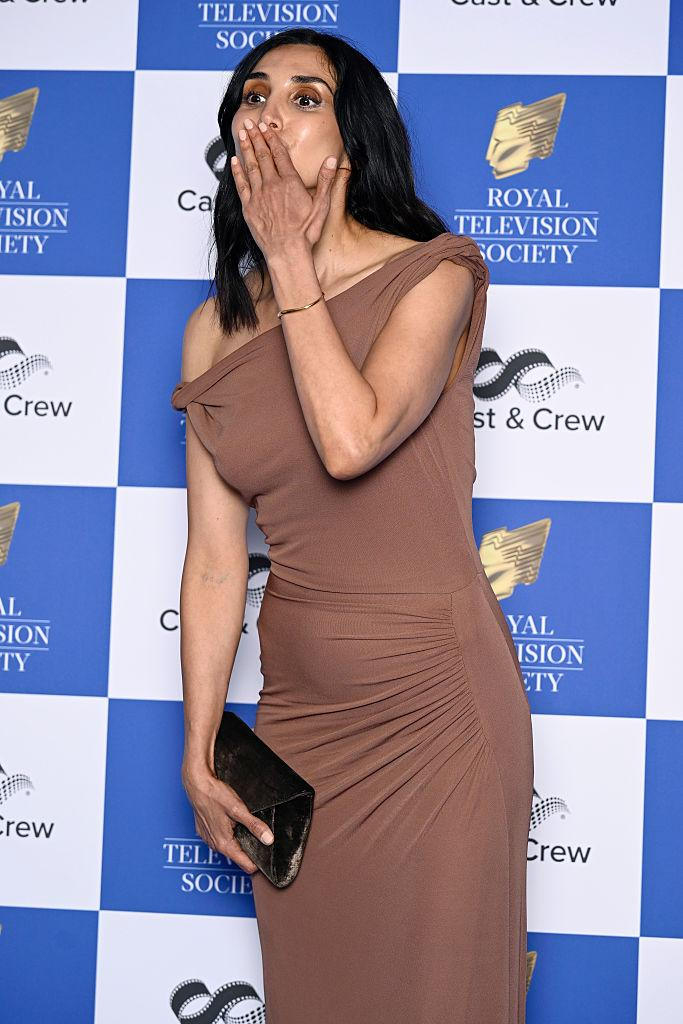
Narges Rashidi’s BAFTA Triumph Puts “Prisoner 951” in the Global Spotlight
The 2026 BAFTA Television Awards delivered a night filled with emotional speeches, historic wins, and politically resonant storytelling — but one of the ceremony’s defining moments belonged to Narges Rashidi.
- The Role That Defined the Evening
- Preparing to Portray Nazanin Zaghari-Ratcliffe
- Why the Story Resonated So Deeply
- A BAFTA Ceremony Marked by Political and Emotional Television
- “Adolescence” Dominates the Night
- The Continuing Legacy of Nazanin Zaghari-Ratcliffe’s Story
- A Career-Defining Moment for Narges Rashidi
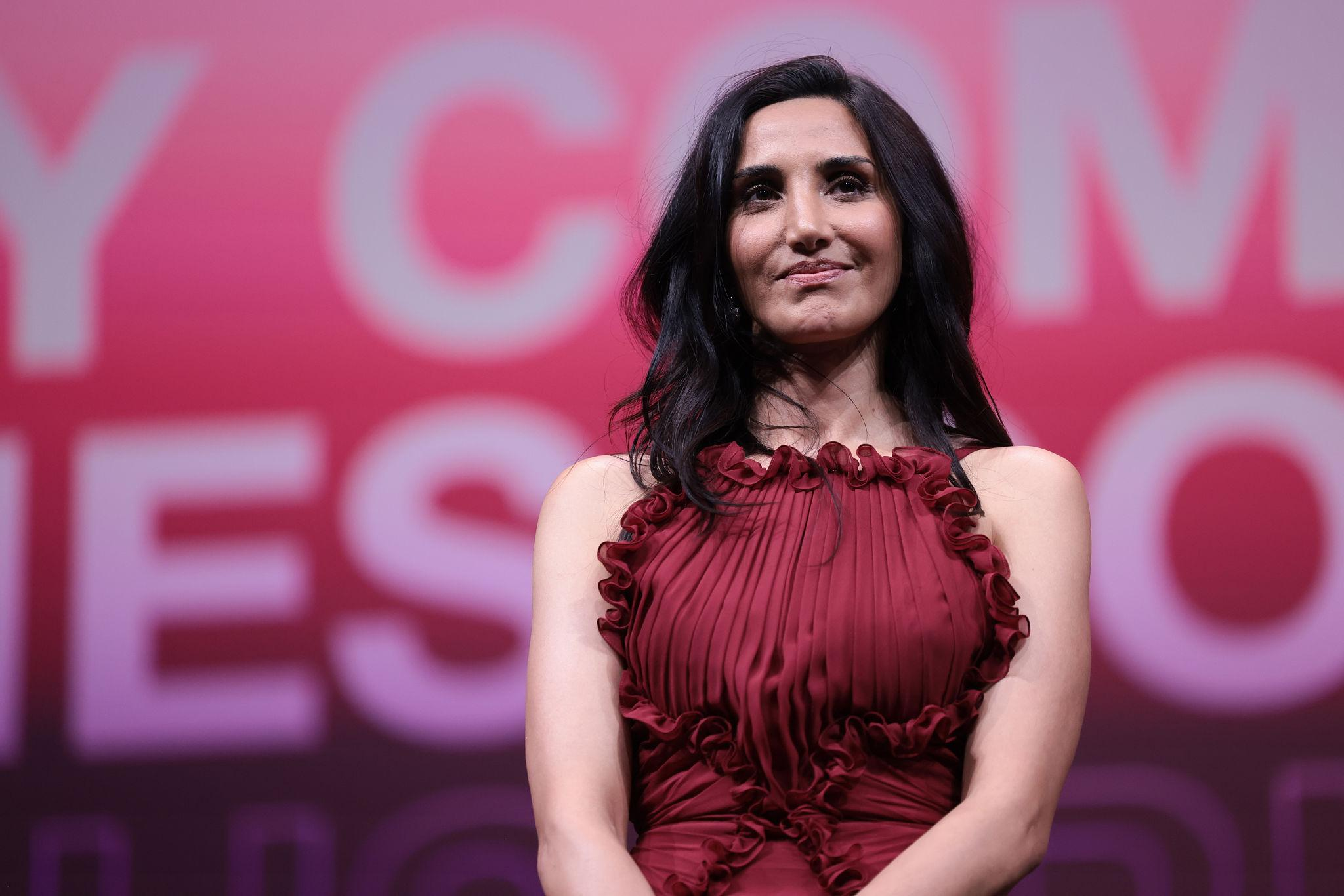
The Iranian-born actress won the BAFTA for Best Leading Actress for her portrayal of Nazanin Zaghari-Ratcliffe in the BBC One drama “Prisoner 951,” a series based on the real-life imprisonment of the British-Iranian charity worker in Iran. Rashidi’s performance, widely praised for its emotional depth and authenticity, became one of the most talked-about highlights of the evening.
Held at London’s Southbank Centre Royal Festival Hall and hosted by comedian Greg Davies, the BAFTA Television Awards celebrated the year’s most influential British television productions. While Netflix’s “Adolescence” dominated the night with four major awards, Rashidi’s victory stood out for the emotional and political significance behind the role she portrayed.

The Role That Defined the Evening
In “Prisoner 951,” Rashidi plays Nazanin Zaghari-Ratcliffe, the British-Iranian dual national who was arrested in Tehran in April 2016 while preparing to return to London after visiting family in Iran with her young daughter Gabriella. She was accused of spying and detained for six years.
The four-part BBC drama chronicled the devastating impact of her imprisonment, including interrogations, solitary confinement, separation from her daughter, and the emotional strain endured by her husband Richard Ratcliffe during the long campaign for her release.


Rashidi dedicated her BAFTA award directly to Zaghari-Ratcliffe and her family during the ceremony, praising their resilience and dignity. According to reports from the event, Rashidi said:
“Your resilience, your dignity, your love through impossible circumstances have moved us all. Your courage will stay with me for the rest of my life. This is for you.”
The real Nazanin Zaghari-Ratcliffe attended the ceremony alongside Rashidi, making the moment even more powerful for audiences watching both in the venue and at home.
Preparing to Portray Nazanin Zaghari-Ratcliffe
Rashidi approached the role with extensive emotional and historical preparation. To better understand the woman she would portray, she read Zaghari-Ratcliffe’s forthcoming memoir, “A Yard Of Sky,” co-written with her husband Richard.
Speaking about her process, Rashidi explained that she wanted to understand not just the public figure people came to know after her release, but the person she had been before imprisonment changed her life.


She reflected on one particularly haunting detail that shaped her performance — footage of Zaghari-Ratcliffe’s arrest at the airport in Tehran.
“Her voice, how scared she was. That was a different person for me. But by episode three and four, she becomes more and more this super-strong, resilient woman.”
The actress also acknowledged how emotionally draining the production became. Scenes depicting interrogations, isolation, and hunger strikes demanded significant emotional intensity from the cast and crew.
Yet Rashidi remained conscious that the suffering portrayed onscreen reflected real experiences endured by another person.
“You’re an actor. Somebody else lived through that. It’s their reality.”
Why the Story Resonated So Deeply
For Rashidi, the role carried deeply personal dimensions beyond acting.
Born in Iran, she spent a significant part of her childhood there before leaving for Germany at age seven. She later lived in the United States, experiences that gave her a layered understanding of Iranian society and the realities many women face under political repression.
Rashidi revealed that she experienced Iran during the Iran-Iraq War of the 1980s and felt closely connected to the themes explored in the series.
“I’m very familiar with the struggles that Iranian people have to go through, and Iranian women, and certain injustices that happen there. These are all subjects close to my heart.”
She also reflected on the emotional complexity of having freedoms abroad while many women in Iran continue to face restrictions and political uncertainty.
One of the series’ most heartbreaking themes was the separation between Nazanin and her daughter Gabriella. The child initially remained in Iran after authorities confiscated her passport before eventually returning to the UK in 2019 to begin school.
Rashidi described the idea of a mother being unable to raise her child as almost impossible to comprehend emotionally.
“Having such a little kid who is so dependent on you, not being able to care for them and see them grow up – I can’t even wrap my head around how horrific that must be.”
A BAFTA Ceremony Marked by Political and Emotional Television
The 2026 BAFTA TV Awards reflected a broader trend in British television toward emotionally charged and socially conscious storytelling.
Alongside Rashidi’s win, one of the evening’s most controversial and discussed victories came from the documentary “Gaza: Doctors Under Attack,” which won the Current Affairs Award. The documentary investigated attacks on hospitals in Gaza and gained additional public attention after the BBC reportedly shelved it over “impartiality concerns” before it later aired on Channel 4.
Producer Ramita Navai used the acceptance speech to reference the deaths of healthcare workers, women, and children in Gaza, while filmmaker Ben de Pear publicly criticized the BBC’s earlier decision not to broadcast the film.
The ceremony therefore became more than an entertainment awards event. It evolved into a platform where television, journalism, politics, and human rights intersected publicly.
“Adolescence” Dominates the Night
Although Rashidi’s victory generated major headlines, Netflix’s “Adolescence” became the evening’s biggest overall winner.
The drama collected four awards, including Best Limited Drama, while actors Stephen Graham, Christine Tremarco, and 16-year-old Owen Cooper all secured acting honors. Cooper became the youngest-ever winner of the Best Supporting Actor category.
His acceptance speech became one of the night’s most memorable moments after he referenced The Beatles and John Lennon.
“You only need three things to succeed in life. One, an obsession. Two, a dream. And three, The Beatles.”
Elsewhere, “Code of Silence” won Best Drama Series, “Amandaland” secured Best Scripted Comedy, and “The Celebrity Traitors” claimed both the Reality category and the audience-voted Memorable Moment Award.
The Continuing Legacy of Nazanin Zaghari-Ratcliffe’s Story
Nazanin Zaghari-Ratcliffe was finally released in 2022 after Britain agreed to settle a decades-old debt reportedly worth £400 million.
Her case became one of the highest-profile diplomatic and humanitarian disputes involving dual nationals imprisoned in Iran. For years, campaigners argued her detention was politically motivated and emblematic of broader tensions between Tehran and Western governments.
The success of “Prisoner 951” demonstrates how television drama continues to serve as a vehicle for revisiting real-world injustices and introducing them to wider audiences.
Rashidi herself hopes the series encourages viewers to think more deeply about freedom and geopolitical instability.
“Our freedom, no matter where we live, is fragile. We need to be aware of that.”
That message appeared to resonate strongly with BAFTA voters and audiences alike.
A Career-Defining Moment for Narges Rashidi
For Narges Rashidi, the BAFTA win marks a major milestone in an already internationally respected acting career.
Known previously for performances in projects such as “Under the Shadow,” “Gangs of London,” and “Counterpart,” Rashidi has built a reputation for emotionally complex and psychologically nuanced roles. But “Prisoner 951” may ultimately become the performance that defines her career in the eyes of many viewers.
At a ceremony filled with star power, comedy, spectacle, and major television franchises, Rashidi’s portrayal of pain, endurance, and resilience reminded audiences why storytelling rooted in real human experience continues to have extraordinary power.
And in a year when British television repeatedly confronted difficult social realities — from Gaza to political imprisonment to class and family trauma — her performance emerged as one of the clearest examples of television’s ability to humanize global events through intimate storytelling.