
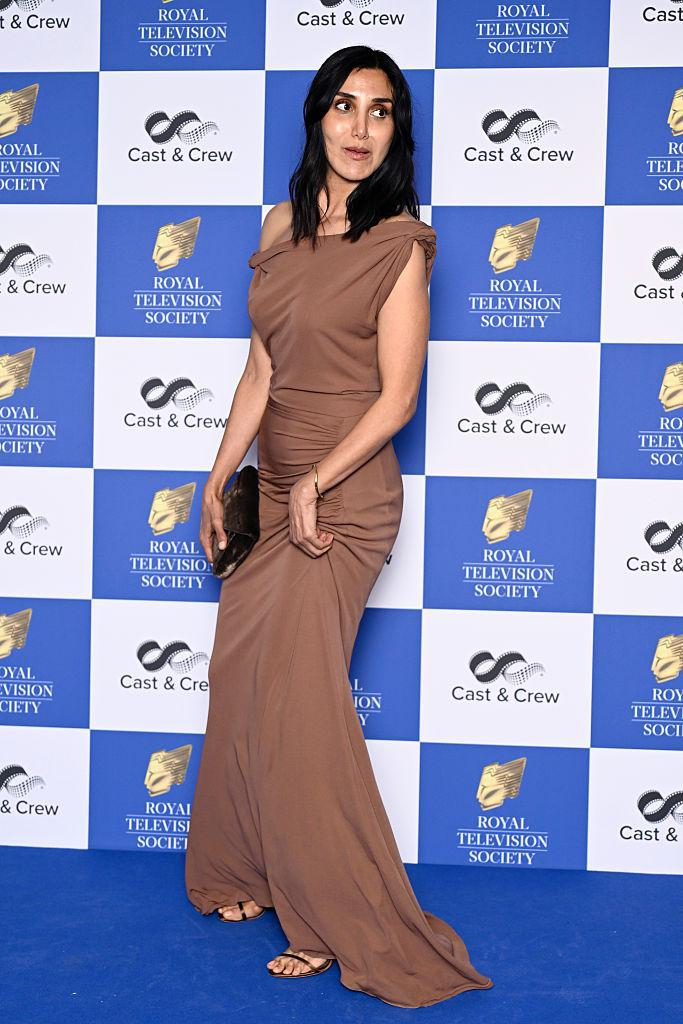
Narges Rashidi News: BAFTA Victory Puts Prisoner 951 Star in the Spotlight
Narges Rashidi has emerged as one of the biggest talking points from the 2026 BAFTA Television Awards after winning the prestigious Leading Actress category for her performance in Prisoner 951. The German-Iranian actress, already respected for years in independent cinema and international television, is now receiving a new wave of global recognition following her portrayal of British-Iranian detainee Nazanin Zaghari-Ratcliffe.
Her BAFTA triumph arrived during a ceremony dominated by Netflix drama Adolescence, but Rashidi’s emotional win quickly became one of the evening’s defining moments. Across social media platforms and entertainment news coverage, viewers praised both her performance and the broader significance of Prisoner 951, a drama rooted in one of the most internationally discussed political detention cases of recent years.
The win also marked an important milestone in Rashidi’s career, placing her among the most celebrated television actors of the year.
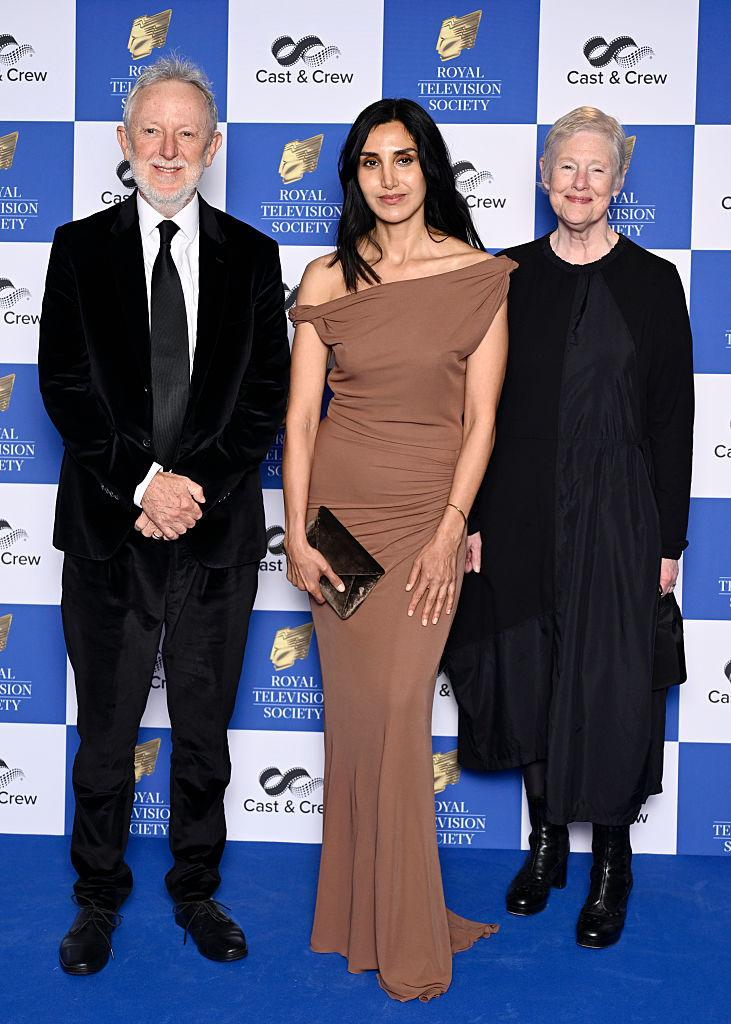
A Breakthrough Night at the 2026 TV BAFTAs
The 2026 BAFTA Television Awards, held at London’s Southbank Centre and hosted by Greg Davies, celebrated the standout television productions and performances of 2025.
While Adolescence dominated the ceremony with multiple awards, Rashidi secured one of the night’s most competitive categories by winning Leading Actress for Prisoner 951.
Her performance drew significant attention because of the emotional and political weight attached to the role. Rashidi portrayed Nazanin Zaghari-Ratcliffe, the British-Iranian woman who was detained in Iran for six years in a case that attracted widespread international scrutiny.
Industry observers described the award as one of the evening’s notable achievements, especially given the strength of the competition. Critics noted that Rashidi’s nuanced portrayal helped transform Prisoner 951 from a political drama into an intensely personal story about family separation, diplomacy, trauma, and resilience.
The BAFTA recognition came after Rashidi had already earned strong praise during the awards season, including nominations tied to the production earlier in the year.
Why Prisoner 951 Resonated With Audiences
The drama explored the imprisonment of Nazanin Zaghari-Ratcliffe and the years-long campaign led by her husband Richard Ratcliffe to secure her release. According to available production information, actor Joseph Fiennes portrayed Richard Ratcliffe opposite Rashidi.
What made the series particularly powerful for audiences was its focus on the emotional consequences of prolonged detention. Rather than presenting only political negotiations or courtroom developments, the series centered heavily on the human cost of separation and uncertainty.
Rashidi’s portrayal was widely praised for balancing vulnerability, fear, determination, and emotional restraint. Several entertainment commentators described her performance as deeply empathetic and emotionally authentic.
The drama also introduced many international viewers to details surrounding Zaghari-Ratcliffe’s detention and the diplomatic tensions connected to the case.
Emotional BAFTA Speech Draws Attention Online
Beyond the award itself, Rashidi’s acceptance speech became another major talking point.
Clips shared online showed the actress urging empathy for children affected by war and conflict. A widely circulated video from Middle East Eye highlighted her remarks and emotional appeal for compassion toward young people living through violence and instability.
The speech resonated strongly with audiences because it expanded beyond entertainment and connected her role in Prisoner 951 to broader humanitarian concerns.
On social platforms, viewers praised the speech for its sincerity and emotional clarity. Many users described it as one of the most memorable moments of the ceremony.
BAFTA also shared clips of Rashidi accepting the award, further increasing visibility for both the actress and the series.
From Independent Cinema to International Recognition
Although the BAFTA victory has introduced Rashidi to a wider mainstream television audience, she has spent years building a respected international acting career.
Born in Khorramabad, Iran, Rashidi moved with her family to Turkey and later Germany after the Iran-Iraq War. She eventually developed her acting career in Europe before transitioning into internationally recognized film and television productions.
She first gained major international acclaim for her starring role in the acclaimed 2016 psychological horror film Under the Shadow. The film premiered at Sundance Film Festival and established Rashidi as a breakout performer. Critics particularly praised the emotional depth and intensity she brought to the role.
In subsequent years, she appeared in productions including Gangs of London, further expanding her visibility among global television audiences.
Her role in Prisoner 951 now appears to represent the most significant awards breakthrough of her career to date.
A Growing Trend Toward Politically Charged Dramas
The success of Prisoner 951 reflects a broader trend in television storytelling, where politically rooted personal narratives are gaining significant critical and audience attention.
Modern television audiences increasingly respond to dramas that combine emotional storytelling with real-world political or humanitarian themes. Series exploring imprisonment, displacement, conflict, and state power have become central parts of prestige television programming in recent years.
Rashidi’s performance fits directly into that movement.
Rather than delivering a purely symbolic portrayal, critics and viewers highlighted how her performance grounded a politically complex story in intimate human emotion. This helped the series connect with viewers who may not have previously followed the real-life case.
The BAFTA recognition also reinforces growing industry interest in international performers and multilingual storytelling. Rashidi, who speaks Persian, German, and English, represents the increasingly global nature of contemporary television productions.
The BAFTAs’ Wider Story: Adolescence Dominates
Although Rashidi’s victory attracted major attention, the broader narrative of the 2026 BAFTA Television Awards centered on the overwhelming success of Adolescence.
The Netflix drama won multiple awards including:
- Limited Drama
- Leading Actor for Stephen Graham
- Supporting Actress for Christine Tremarco
- Supporting Actor for Owen Cooper
The series had already swept awards at the Emmys, Golden Globes, Critics’ Choice Awards, and National Television Awards before arriving at the BAFTAs.
Other major winners included:
- Code Of Silence for Drama Series
- Last One Laughing for Entertainment
- Amandaland for Scripted Comedy
- The Celebrity Traitors for Reality
Despite the crowded field of celebrated productions, Rashidi’s Leading Actress win stood out because it represented a deeply personal and politically charged performance amid a night otherwise dominated by large ensemble productions and high-profile streaming dramas.
What Comes Next for Narges Rashidi?
Industry observers now expect Rashidi’s BAFTA victory to significantly expand her profile internationally.
Awards recognition at the BAFTAs often leads to higher-profile television and film opportunities, especially for actors working across multiple international markets. Rashidi’s multilingual background and experience in both European and English-language productions position her particularly well for future global streaming projects.
Her growing visibility also comes at a time when audiences and studios are increasingly embracing internationally diverse casts and stories rooted in cross-cultural experiences.
For Rashidi, the moment feels especially significant because it combines critical recognition with cultural impact. Her performance in Prisoner 951 was not simply viewed as technically strong acting — it was widely perceived as emotionally important storytelling.
That distinction may ultimately define this stage of her career.
Conclusion
Narges Rashidi’s BAFTA win for Prisoner 951 has transformed her into one of the most discussed television performers of 2026. Her portrayal of Nazanin Zaghari-Ratcliffe connected with audiences not only because of its emotional power, but because it brought humanity to a story already known around the world.
At a BAFTA ceremony dominated by blockbuster television successes like Adolescence, Rashidi carved out one of the evening’s most memorable moments through a performance rooted in empathy, resilience, and emotional authenticity.
Combined with her widely shared acceptance speech and growing international recognition, the award marks a pivotal moment in her career — and possibly the beginning of an even larger global presence in television and film.


