

Jodie Whittaker Returns to the Spotlight as Doctor Who Buzz Builds Again
Fans of Doctor Who are once again talking about Jodie Whittaker after the former Time Lord made headlines during the 2026 BAFTA TV Awards in London. The acclaimed actress, who broke barriers as the first woman to officially portray the Doctor in the long-running BBC science-fiction franchise, sparked fresh excitement when she shared her thoughts about who should take on the iconic role next.
Beyond the Doctor Who speculation, Whittaker also drew attention for her appearance at the BAFTA TV Awards, where she was nominated for her performance in Toxic Town. Her return to the awards spotlight reminded audiences why she remains one of Britain’s most recognizable television stars.
A Doctor Who Legacy That Changed Television
Jodie Whittaker’s casting as the Thirteenth Doctor in 2017 marked a turning point for Doctor Who. For decades, the role had been portrayed exclusively by men, making her appointment a landmark moment not only for the franchise but for British television as a whole.
Her tenure introduced a fresh dynamic to the Doctor’s personality — energetic, emotionally layered, compassionate, and deeply curious. While opinions among fans varied throughout her era, Whittaker undeniably expanded the cultural reach of the franchise and helped redefine what the Doctor could represent.
Now, years after leaving the TARDIS behind, her opinions about the future of the series still carry weight among fans and industry observers alike.
According to reports from the BAFTA TV Awards, Whittaker was asked who she believes would make the perfect next Doctor. While details of her answer generated significant fan discussion online, the moment itself demonstrated how strongly audiences continue to associate her with the legendary role.
BAFTA 2026: Jodie Whittaker Commands Attention
The 2026 BAFTA TV Awards at London’s Royal Festival Hall became one of the entertainment industry’s most talked-about nights, not only because of the awards race but because of the striking fashion trends dominating the red carpet.
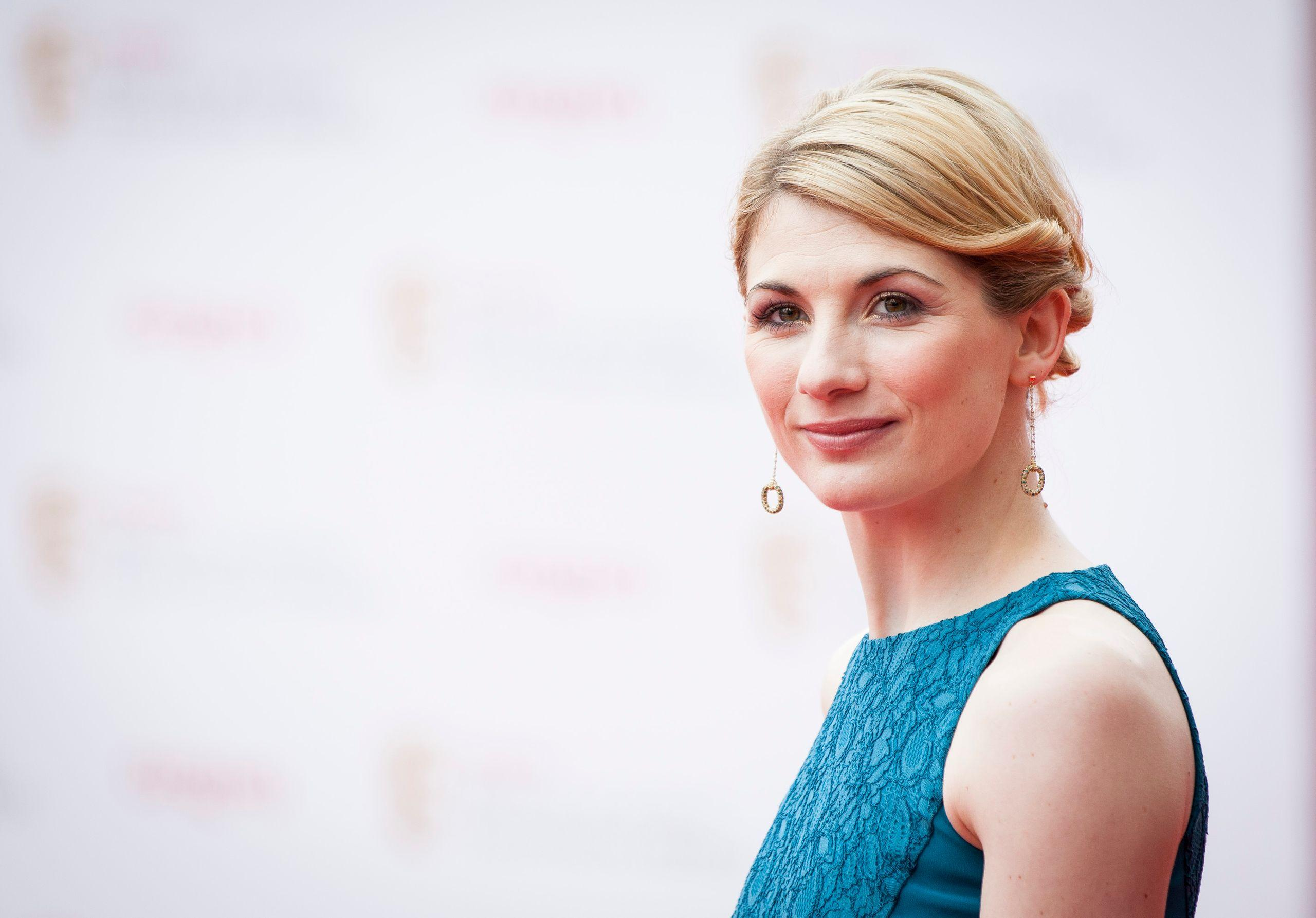
Whittaker stood out immediately in a “vibrant ruby gown” by Solace London, embracing what fashion commentators described as the evening’s “dopamine dressing” trend.
The bright, confident look reflected the broader atmosphere of the ceremony, where many celebrities embraced bold colors and dramatic styling choices. Whittaker’s appearance generated widespread attention across entertainment media and social platforms, reinforcing her position as both a respected actress and a red-carpet favorite.
Her nomination for Toxic Town also signaled another important step in her post-Doctor Who career.
Building a Career Beyond the TARDIS
One of the biggest challenges for actors who portray legendary characters is escaping the shadow of those roles afterward. For Whittaker, however, the transition has been remarkably successful.
Her performance in Toxic Town earned critical praise and a BAFTA nomination for Leading Actress, proving that audiences and critics continue to embrace her dramatic range. Rather than relying solely on the popularity of Doctor Who, Whittaker has steadily built a reputation through emotionally driven performances across television and film.
This career trajectory mirrors the path followed by several previous Doctor Who actors, many of whom leveraged the franchise’s visibility into broader acting success. Yet Whittaker’s journey feels particularly significant because she entered the role carrying enormous public scrutiny and expectations.
Her success afterward has strengthened her standing as one of Britain’s most versatile modern television performers.
Why Fans Still Care About Jodie Whittaker’s Opinions
The enduring fascination surrounding Whittaker reflects the unique relationship fans have with Doctor Who. Few television roles inspire the same level of emotional investment.
Every regeneration sparks debate:
- Who should be cast?
- What direction should the show take?
- Should the Doctor become darker, lighter, younger, older, or more experimental?
Former actors who played the Doctor often become lifelong ambassadors for the franchise, and Whittaker is no exception. Her comments about future casting decisions immediately attract attention because fans view her as someone who understands the emotional and creative demands of the role firsthand.
That connection remains powerful years after her departure.
The Cultural Impact of the First Female Doctor
Whittaker’s era represented more than a casting change. It became part of a broader conversation about representation in entertainment.
When she debuted as the Thirteenth Doctor, reactions ranged from enthusiastic support to intense criticism from sections of the fandom. But over time, many viewers acknowledged the historical importance of her tenure.
For younger audiences especially, Whittaker’s Doctor normalized the idea that the Time Lord could evolve beyond traditional expectations. Her performance opened the door for future casting possibilities that may once have seemed unlikely.
The long-term impact of that shift continues to influence conversations around diversity and reinvention in major entertainment franchises.
BAFTA Fashion and the Rise of “Dopamine Dressing”
Whittaker’s appearance at the BAFTAs also connected her to one of the night’s dominant cultural themes: fashion designed to project optimism and energy.
The event featured celebrities embracing vivid colors, metallic fabrics, and dramatic silhouettes. Alongside Whittaker’s ruby-red gown, stars including Roisin Conaty, Rhea Seehorn, Adam Scott, Lucy Punch, and Rose Ayling-Ellis adopted similarly bold styles.
Entertainment commentators described the trend as “dopamine dressing,” a fashion movement centered on using bright colors and expressive styling to boost mood and confidence.
Whittaker’s choice fit naturally into the theme:
- bold but elegant
- modern yet timeless
- visually striking without overwhelming her presence
The red-carpet appearance became one of the evening’s standout celebrity moments.
Could Jodie Whittaker Return to Doctor Who Someday?
One question continues to follow nearly every former Doctor: will they return?
Doctor Who has a long tradition of bringing back previous incarnations for anniversaries, specials, and crossover episodes. David Tennant, Tom Baker, Peter Davison, and others have all revisited the franchise in different ways over the years.
While there is currently no confirmed return for Whittaker, fan interest remains high. Her continued affection for the series and her willingness to discuss its future suggest the door is far from closed.
In the world of Doctor Who, after all, time is never entirely linear.
The Continuing Relevance of Jodie Whittaker
Jodie Whittaker’s career today reflects something larger than a single role. She represents a generation of actors redefining major television institutions while balancing mainstream popularity with critical credibility.
Whether discussing the future of Doctor Who, earning recognition for dramatic performances, or commanding attention on the BAFTA red carpet, she continues to remain culturally relevant in an industry that moves quickly.
And as speculation about the next Doctor intensifies once again, Whittaker’s legacy within the franchise only seems to grow stronger.


