Sony Xperia 1 VIII Arrives May 13 With a Bold New Direction for Xperia
Sony is preparing to unveil its next flagship smartphone, the Xperia 1 VIII, during an official launch event scheduled for May 13. After years of maintaining a familiar Xperia formula, the Japanese electronics giant appears ready to introduce one of the most noticeable design shifts the Xperia lineup has seen in recent memory.
- Sony Finally Changes the Xperia Design Language
- Launch Event Scheduled for May 13
- Display and Performance Expectations
- Cameras Remain the Main Attraction
- Sony Keeps Features Other Brands Are Removing
- A More Colorful Xperia Lineup
- Premium Pricing Could Spark Debate
- Why the Xperia 1 VIII Matters
- What Happens Next
The company has already teased the upcoming device with the tagline “Next ONE is coming,” while multiple leaks, retailer listings, and teaser materials have collectively painted a clearer picture of what consumers can expect from Sony’s next premium Android phone. From a redesigned camera module to upgraded imaging hardware and expanded color options, the Xperia 1 VIII is shaping up to be a significant evolution rather than a routine refresh.
Sony Finally Changes the Xperia Design Language
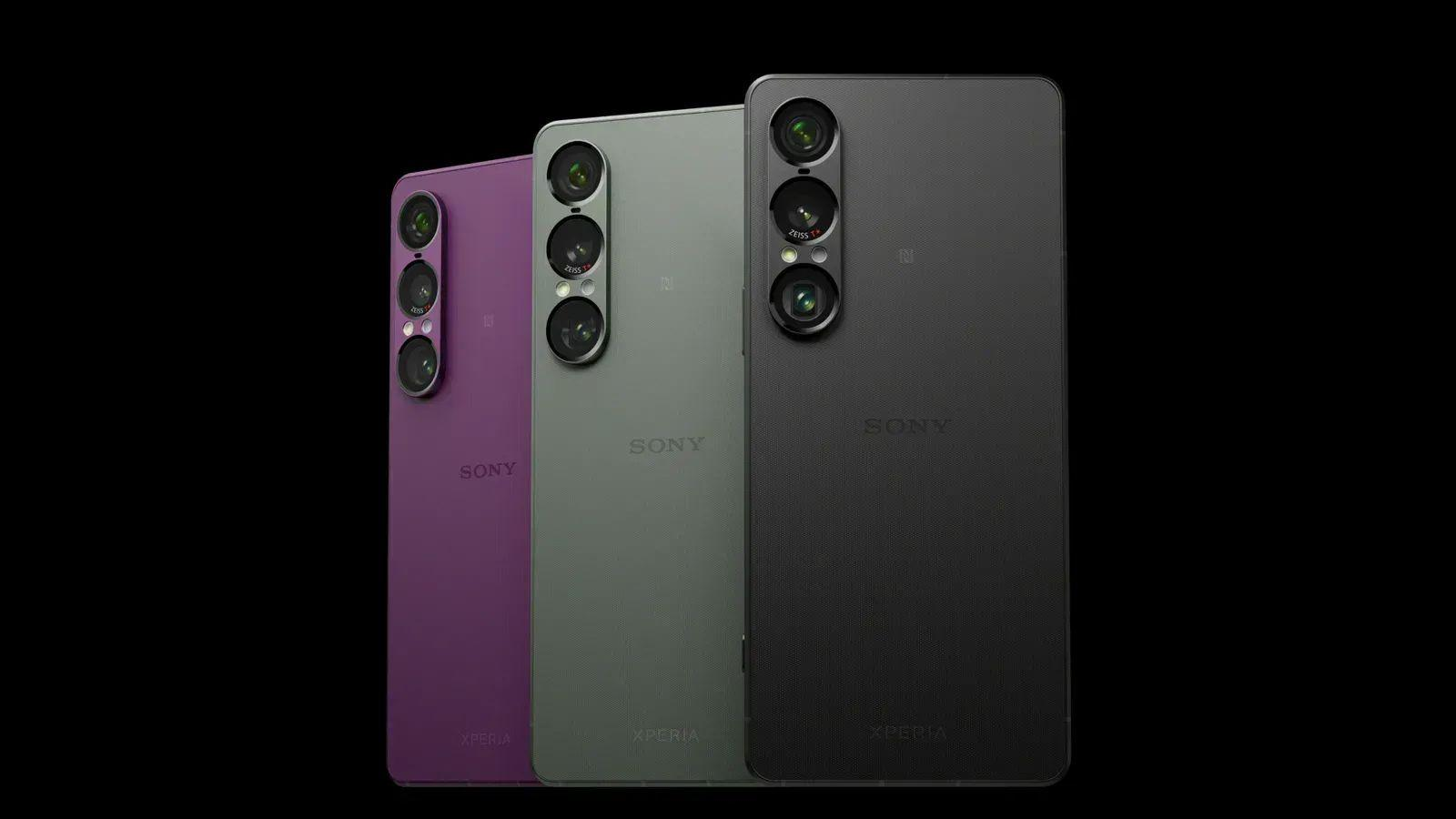
For several generations, Sony’s Xperia 1 smartphones followed a nearly identical design philosophy. The devices typically featured a tall, narrow chassis paired with vertically aligned rear cameras positioned toward the corner of the phone.


That is now changing.
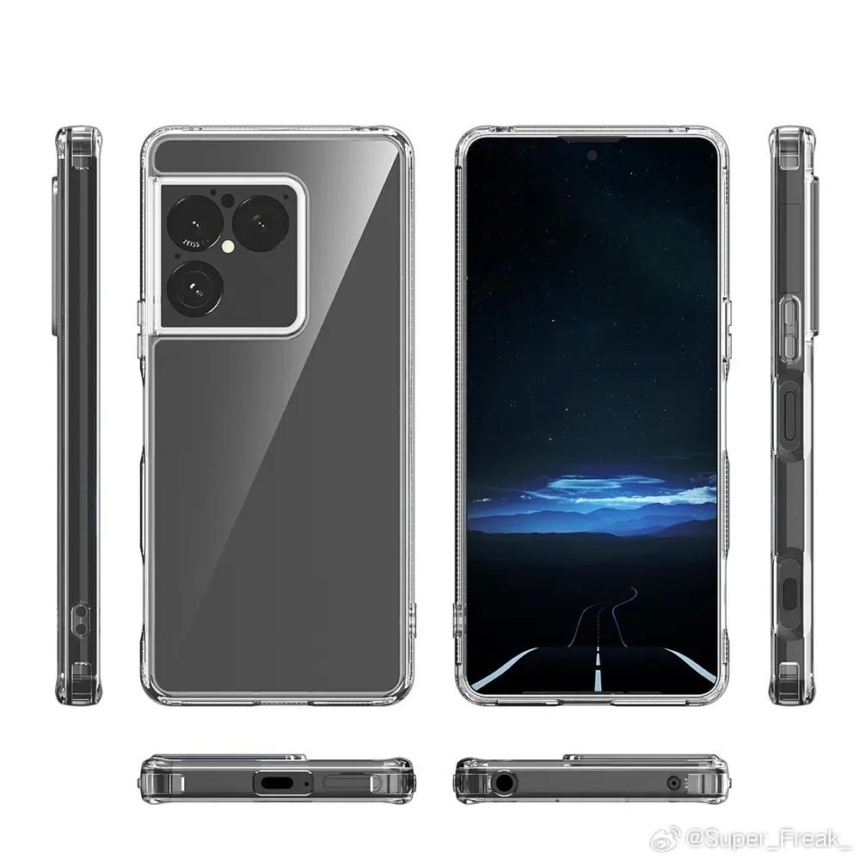
The Xperia 1 VIII appears to adopt a more contemporary square-shaped camera island, bringing Sony closer to the design direction embraced by other flagship smartphone makers. Early teaser footage and leaked renders show a triple-camera arrangement in an inverted “L” configuration housed inside the new raised module.


The redesign is expected to make the phone slightly thicker and wider than its predecessor, but Sony does not appear interested in abandoning the enthusiast-focused identity that has long separated Xperia devices from mainstream Android rivals.
Instead, the company seems to be modernizing the hardware while preserving the creator-centric experience Xperia fans appreciate — including manual camera controls, professional imaging features, and premium multimedia capabilities.
Launch Event Scheduled for May 13
Sony confirmed that the unveiling event will take place in Japan on May 13 at 11:00 AM local time. The announcement event is expected to be livestreamed globally through Sony Xperia’s YouTube channel.
Industry watchers also expect Sony to reveal additional products during the event, including the anticipated Sony A7R VI full-frame camera and a new professional lens.


The Xperia 1 VIII has become the centerpiece of anticipation surrounding the launch, however, especially after several accidental retailer leaks surfaced online ahead of the official reveal.
Display and Performance Expectations
According to multiple reports and preliminary listings, the Xperia 1 VIII will likely feature:
- A 6.5-inch OLED display
- Full-HD+ HDR resolution
- 120Hz refresh rate
- A cinematic 19.5:9 aspect ratio
Sony is expected to continue emphasizing media consumption and content creation, two areas where Xperia phones traditionally excel.
Under the hood, the device is rumored to run on Qualcomm’s Snapdragon 8 Elite Gen 5 processor, paired with 12GB of RAM. Storage configurations are expected to include 256GB and 512GB variants.
If these specifications prove accurate, the Xperia 1 VIII would remain firmly positioned in the ultra-premium Android flagship segment.
Cameras Remain the Main Attraction
Sony’s smartphone strategy has increasingly centered on camera technology, and the Xperia 1 VIII appears set to continue that trend.
The biggest change reportedly involves the telephoto system.
Previous Xperia 1 models featured Sony’s distinctive variable continuous zoom camera, a technically impressive solution that allowed users to move between focal lengths smoothly. This year, however, Sony is reportedly moving to a fixed 3x optical zoom periscope camera.
At first glance, some photography enthusiasts may see this as a reduction in flexibility. Yet the rumored hardware upgrade could tell a different story.
The new telephoto sensor is expected to be a 48MP 1/1.56-inch unit — dramatically larger than the 12MP sensor used on the Xperia 1 VII. A larger sensor could deliver several important advantages:
- Better low-light photography
- Sharper detail retention
- Improved image consistency
- Enhanced dynamic range
- Cleaner zoom performance in everyday shooting situations
Reports also suggest the main and ultra-wide cameras will each use additional 48MP sensors, creating a fully upgraded triple-camera system.
The front-facing selfie camera is expected to remain a 12MP unit.
Sony’s focus appears to be less about chasing extreme zoom gimmicks and more about improving real-world image quality for creators and photography enthusiasts.
Sony Keeps Features Other Brands Are Removing
One of the Xperia line’s defining characteristics has been Sony’s refusal to remove enthusiast-friendly hardware features that competitors have gradually abandoned.
Leaks indicate the Xperia 1 VIII may continue this philosophy.
Among the rumored returning features are:
- IP68 water and dust resistance
- A 3.5mm headphone jack
- Expandable creator-focused camera controls
- Long battery endurance
Sony is also reportedly promoting “2-day battery life,” suggesting significant efficiency improvements despite flagship-level hardware.
Battery capacity is rumored to remain around 5,000mAh.
In an industry increasingly focused on minimalism and software ecosystems, Sony continues positioning Xperia as a tool for power users rather than purely lifestyle consumers.
A More Colorful Xperia Lineup
Sony may also be attempting to make the Xperia lineup visually more appealing this year.
Leaked listings and renders point to several color options, including:
- Graphite Black
- Iolite Silver
- Garnet Red
- Native Gold
The addition of bolder finishes could help Sony differentiate the Xperia 1 VIII from the sea of monochrome flagship smartphones dominating the premium market.
Premium Pricing Could Spark Debate
While the hardware specifications are impressive, the Xperia 1 VIII’s rumored pricing has already generated discussion.
Preliminary Amazon listings suggested European pricing above €1,800, while UK pricing could reach approximately £1,728.
Those figures would place the Xperia 1 VIII among the most expensive Android smartphones on the market.
However, some reports indicate the pricing may include bundled Sony WH-1000XM6 wireless headphones, potentially softening the impact of the unusually high price tag.
Still, Sony’s challenge remains clear: convincing consumers that the Xperia experience justifies flagship pricing in a highly competitive premium smartphone landscape dominated by Samsung, Apple, Xiaomi, and emerging Chinese brands.
Why the Xperia 1 VIII Matters
The Xperia smartphone business has occupied a niche position for years. Sony’s market share in mobile remains relatively small compared to major competitors, but the company has maintained a loyal following among photographers, videographers, audiophiles, and Android enthusiasts.
The Xperia 1 VIII may represent one of Sony’s most important smartphone launches in years because it balances two competing priorities:
- Modernizing the Xperia design language
- Preserving the enthusiast features that define the brand
If Sony can successfully combine cutting-edge camera hardware, premium performance, creator tools, and refined design, the Xperia 1 VIII could strengthen the company’s reputation as a specialist flagship rather than a mainstream competitor.
What Happens Next
Sony’s May 13 launch event will finally answer the remaining questions surrounding the Xperia 1 VIII, including:
- Final camera specifications
- Official pricing
- Regional availability
- Software features
- Battery performance claims
- Release timing
Current leaks suggest shipments may begin around June 26 in some regions.
Until then, anticipation continues to build around what could become Sony’s most ambitious Xperia smartphone in years.