The days when video game consoles became cheaper over time may officially be over.
Nintendo has confirmed that the Nintendo Switch 2 will become more expensive across several major markets, marking one of the most significant pricing shifts in the company’s modern console history. Starting September 1, the Switch 2 will rise from $449.99 to $499.99 in the United States, with similar increases arriving in Canada and Europe. In Japan, the changes arrive even sooner, taking effect on May 25.
The move comes less than two years after the console’s launch and reflects broader pressures currently reshaping the gaming and technology industries. Rising memory chip costs, inflation, tariffs, supply chain disruptions, and the booming demand for AI infrastructure are all contributing to a landscape where hardware manufacturers are increasingly unable—or unwilling—to absorb growing production expenses.
For gamers, the announcement is more than just a $50 increase. It represents a dramatic reversal of decades of gaming history, when console prices typically declined after launch rather than climbing higher.
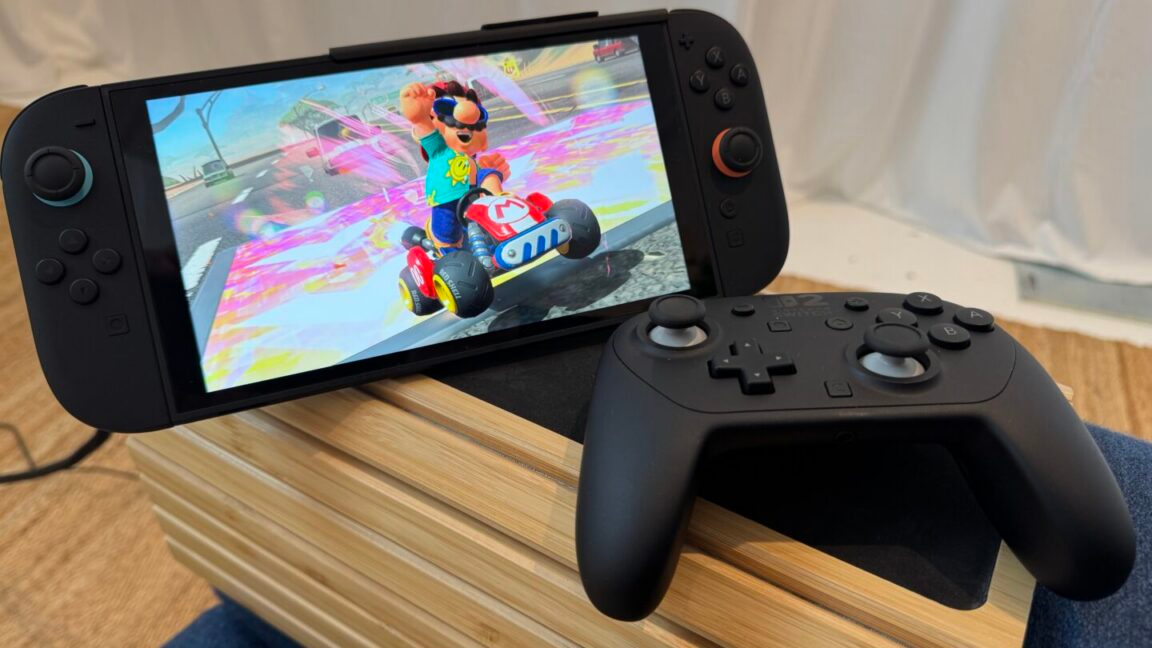
Nintendo Confirms Global Price Increases
Nintendo announced that the Switch 2’s manufacturer suggested retail price (MSRP) will rise beginning later this year in key markets.
The updated pricing includes:
- United States: $499.99 (up from $449.99)
- Canada: CAD 679.99 (up from CAD 629.99)
- Europe: €499.99 (up from €469.99)
- Japan: ¥59,980 (up from ¥49,980)
Japan will experience the increase first, beginning May 25, while North America and Europe will see new pricing on September 1.
Nintendo said the changes are being made “in light of changes in market conditions” and because of “the global business outlook” expected over the medium and long term.
The company also indicated that additional regions could see similar revisions later.
Why Is the Switch 2 Becoming More Expensive?
The biggest factor behind the increase appears to be the global memory chip shortage.
Over the past year, demand for AI data centers has exploded, placing enormous pressure on semiconductor manufacturers. Memory chips used in gaming consoles, smartphones, laptops, and automotive systems have become dramatically more expensive as AI companies purchase massive quantities of high-performance hardware.
Reports cited in the coverage indicate that memory chip prices doubled during the first quarter alone and could rise another 63 percent in the current quarter due to AI-driven demand.
Nintendo president Shuntaro Furukawa acknowledged that higher component costs and exchange-rate pressures influenced the decision.
Nintendo also reportedly expects tariffs and hardware costs to add roughly 100 billion yen in expenses during the current financial year.
Industry analysts believe the move signals that Nintendo can no longer absorb the growing cost burden internally.
HSBC analyst Kazunori Ito described the increase as evidence that rising memory costs have become “severe enough that it could no longer be absorbed internally.”
The End of the “Cheaper Console Over Time” Era
Historically, game consoles became more affordable as manufacturing matured and components grew cheaper.
That pattern defined generations of gaming hardware from the original PlayStation through the PlayStation 4 and earlier Nintendo systems. Consumers often expected price cuts a few years after launch.
But the current market has turned that logic upside down.
Nintendo now joins Sony and Microsoft in raising console prices after launch:
- Sony increased PlayStation 5 pricing multiple times.
- Microsoft raised Xbox Series X and Series S prices twice within roughly a year.
- Nintendo previously raised pricing for the original Switch in some regions.
Several long-term trends are reshaping the economics of gaming hardware:
Slowing Moore’s Law
Chip improvements are no longer arriving at the rapid pace seen during earlier decades, making cost reductions harder to achieve.
Inflation and Global Instability
Higher shipping costs, currency volatility, and geopolitical tensions continue affecting manufacturing.
AI Infrastructure Competition
Tech giants building AI systems are consuming huge supplies of memory and semiconductor capacity, increasing prices for nearly every electronics manufacturer.
Tariffs and Trade Policies
International trade pressures, especially involving major manufacturing regions, have added additional cost layers for hardware companies.
The result is a gaming market where even aging consoles are maintaining high prices years after release.
Despite the Hike, the Switch 2 Has Been a Massive Success
The price increase arrives during a period of strong momentum for Nintendo.
The company sold 19.86 million Switch 2 units during the console’s first fiscal year, outperforming the original Nintendo Switch, which sold 15.05 million units during its comparable launch period.
Some reports and readers have even described the Switch 2 as the “fastest-selling console in history.”
Nintendo also recorded:
- 424 billion yen in annual profit
- 2.3 trillion yen in annual sales
- nearly 99 percent year-over-year revenue growth
Software sales remain strong as well, with Nintendo projecting continued expansion in Switch 2 game sales over the coming fiscal year.
Nintendo Still Expects Sales to Slow
Even with strong early momentum, Nintendo believes the coming year will be more challenging.
The company now forecasts sales of 16.5 million Switch 2 units during the current fiscal year ending March 2027—a decline from the nearly 20 million units sold previously.
Nintendo directly acknowledged that “the impact of these price revisions” contributed to the lower projection.
The slowdown may not necessarily indicate weak demand. Instead, it reflects the typical lifecycle of consoles after an explosive launch year combined with higher pricing and uncertain economic conditions.
Still, a $500 starting price pushes the Switch 2 into a different category psychologically for many consumers.
Nintendo has traditionally dominated the market by offering comparatively affordable hardware. The original Switch succeeded partly because it delivered a flexible hybrid gaming experience at a price below many competing systems.
At $499.99, the Switch 2 enters direct competition with premium gaming hardware more aggressively than Nintendo has in years.
What Happens to Nintendo’s Broader Ecosystem?
The pricing changes extend beyond the Switch 2 itself in Japan.
Nintendo announced increases for several original Switch models there, including:
- Nintendo Switch OLED
- Standard Nintendo Switch
- Nintendo Switch Lite
Nintendo Switch Online subscription prices are also increasing in Japan beginning July 1.
This suggests Nintendo may be reevaluating the profitability of its broader ecosystem, not just its newest hardware.
Interestingly, Nintendo confirmed that the special “Nintendo Switch 2 Multi-Language System” sold through My Nintendo Store in Japan will remain unchanged in price.
A Tough Decision for Consumers
For consumers, the timing creates a narrow buying window.
Players in the United States, Canada, and Europe have until September 1 to purchase the console at current pricing. Japanese consumers have significantly less time before changes take effect.
The announcement may also accelerate purchases from hesitant buyers trying to avoid the higher cost.
At the same time, the increase could make entry into Nintendo’s ecosystem more difficult for younger players and families—groups traditionally central to Nintendo’s audience.
The pricing debate extends beyond the hardware itself. Some consumers have already criticized the rising cost of Switch 2 games, with certain titles approaching $80.
Combined with accessories, subscriptions, and premium releases, the total cost of ownership for modern gaming continues climbing rapidly.
Nintendo’s Price Hike Reflects a Larger Industry Shift
The Switch 2 price increase is not an isolated event. It reflects a structural transformation happening across consumer electronics.
Gaming consoles are no longer benefiting from the rapid cost declines that defined earlier technology eras. Instead, manufacturers are navigating:
- higher semiconductor costs,
- slower hardware efficiencies,
- global inflation,
- AI-driven supply shortages,
- and unpredictable trade conditions.
For Nintendo, the decision appears designed to protect profitability while maintaining long-term hardware production stability.
For gamers, however, the announcement reinforces a new reality: next-generation gaming is becoming significantly more expensive.
And unlike previous generations, waiting may no longer guarantee a better deal.


