

Television Licence: Why the Old Broadcasting Fee Is Facing New Pressure
The television licence, once a straightforward fee tied to owning or using a television set, has become one of the most contested funding tools in modern broadcasting. Across countries where public broadcasters still depend on licence fees, the system is under pressure from rising living costs, changing viewing habits, political scrutiny, and widespread public resistance.
Recent developments in the United Kingdom and South Africa show two sides of the same debate. In the UK, a petition is calling for the £180 TV Licence to be reduced to £0 for all 13 million state pensioners. In South Africa, public attention has turned to whether people can legally stop paying the SABC TV licence at all, especially as non-compliance continues to rise sharply.
Together, these cases reveal a larger question: can the television licence survive in an era where audiences stream, subscribe, watch on phones, and increasingly challenge the fairness of mandatory broadcast fees?
A Fee Built for Public Broadcasting
A television licence is generally designed to help fund public-service broadcasting. Instead of relying entirely on advertising, subscription income, or direct government funding, public broadcasters collect money from households that own or use television receiving equipment.
The principle behind the system is that public broadcasters serve a wider democratic and cultural function. They produce news, education, entertainment, local programming, emergency information, and content that may not always be commercially profitable.
But the model depends on public acceptance. When people believe the fee is fair, affordable, and linked to a valuable service, compliance is easier to sustain. When trust weakens or household budgets tighten, the licence becomes politically sensitive.
That is now happening in both the UK and South Africa, although in very different ways.
UK Pensioners and the Push for a Free TV Licence
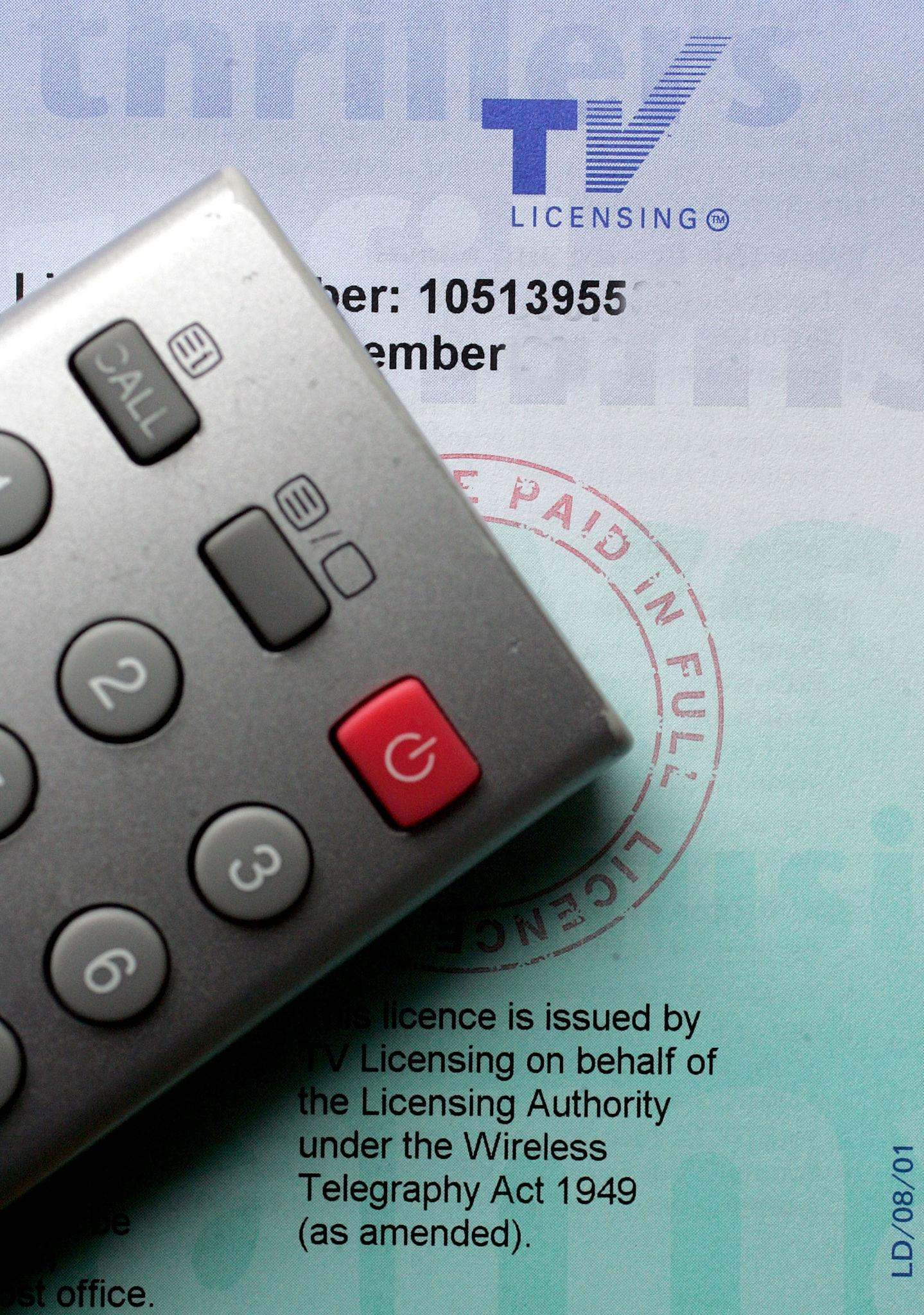
In the United Kingdom, the annual cost of a colour TV licence is set to rise to £180 from 1 April 2026. The increase follows the 2022 Licence Fee Settlement and is linked to inflation. Under the current calculation, the annualised average of CPI from October to September has produced a 3.14% uplift to the licence fee.
The result is a £5.50 increase, equal to about 46p more per month. The cost of a black and white TV licence will be £60.50 for 2026/27.
Against that backdrop, an online petition is calling for free TV licences for all state pensioners. The petition targets both the Labour Party government and the BBC, arguing that older people should not have to pay the annual fee once they reach retirement age.
The petition states:
“We want the Government to fund free TV licences for existing pensioners and those who reach the official retirement age. When people reach retirement age, we think they should receive a state-financed free TV licence.”
Its core argument is not only financial but social. Many elderly people, the petition says, depend heavily on television for companionship, particularly during retirement, isolation, or financial hardship.
The petition continues:
“Many pensioners live on the breadline with only the TV for company. With the cost of food soaring and utility bills ever higher, we feel there is a desperate need to provide all pensioners with at least this concession.”
The campaign also criticises the current system, under which exemption is limited to pensioners who receive means-tested Pension Credit.
“We feel it is a double outrage that those who have given their all to this country in taxes and raising children have to pay a TV licence fee and are only exempt if they receive means-tested Pension Credit. Meanwhile, some media figures draw huge salaries.”
The petition was created by Michael Thompson and has a deadline of 21 July 2026. It had already gathered 1,750 signatures, with 10,000 required to trigger a government response. If it reaches 100,000 signatures, it will be considered for debate in Parliament.
Why the BBC Charter Matters
The TV licence debate in the UK is closely tied to the BBC Charter, which sets the framework for the broadcaster’s role, governance, and funding.
The current BBC Charter began on 1 January 2017 and runs until 31 December 2027. That timeline matters because discussions about the future of the licence fee are likely to intensify as the end of the Charter approaches.
For campaigners, the pensioner licence issue is part of a wider question about affordability and fairness. For the BBC and policymakers, any broad exemption creates a funding challenge: if millions of pensioners no longer pay, the lost revenue must either be replaced by government funding, absorbed by the broadcaster, or offset through another model.
That is the central tension in the UK debate. Many people support relief for pensioners, especially those on low incomes. But the practical question remains: who pays for it?
South Africa’s Licence Crisis: A System Many No Longer Pay
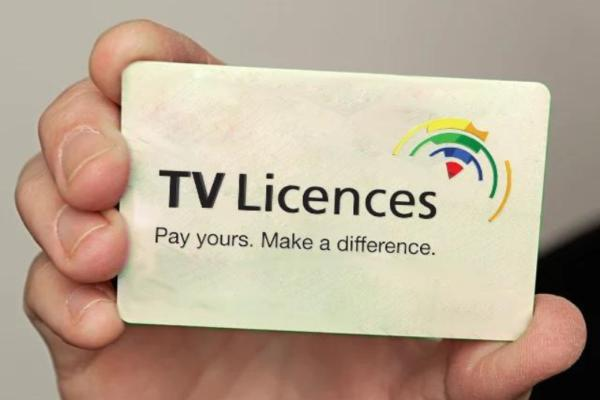
In South Africa, the challenge is more severe. The SABC TV licence remains a legal requirement for most television owners, but compliance has fallen dramatically.
SABC CEO Nomsa Chabeli told the Standing Committee on Public Accounts that less than 20% of South African households that should be paying for a TV licence are actually doing so. She linked the decline directly to pressure on the broadcaster’s finances.
Her statement was stark:
“Fifty-five percent of our mandate costs are funded, and they are funded by declining license fees, so in South Africa, less than 20% of households that should be paying for a TV licence actually pay for a TV licence”.
That figure highlights a major sustainability problem. A licence-fee system cannot function effectively if the overwhelming majority of eligible households do not pay. The broadcaster still carries a public mandate, but the revenue mechanism designed to support that mandate is weakening.
Can South Africans Legally Stop Paying?
Despite widespread non-compliance, South Africans are still legally required to pay the licence fee if they possess television receiving equipment. Non-payment can carry penalties.
However, there is a narrow exemption route. According to the SABC’s stated position, a person may be exempted only if their television receiving equipment has been permanently altered so that it can no longer receive a broadcast signal.
The wording is specific:
“Removal of a television set’s tuner” renders it incapable of receiving any TV signal and, consequently, exempt from the need to be licensed. Written notice to the SABC of such denaturing must be supported by documentary proof in the form of a letter/invoice/receipt from a reputable TV repairer or installer”
That means simply not watching SABC, using streaming platforms, or rarely switching on a television is not enough. The equipment itself must be altered so that it cannot receive a broadcast signal.
The process also involves inspection and a fee:
“A R300 payment must accompany such application to the SABC, after which an authorised agent will be despatched to inspect the applicant’s TV equipment. On receipt of confirmation from the agent that the applicant has NO television receiving equipment [TV set(s), VCR(s) or PC(s) fitted with a tuner card] in his/her possession, he/she will be exempted from payment of licence fees for the rest of the current licensing period”.
This makes legal exemption possible, but deliberately limited. It is not a general opt-out from the system; it is a technical exemption for people who no longer possess equipment capable of receiving television broadcasts.
The Funding Model Under Review
South Africa’s debate may soon move beyond enforcement and exemptions. Minister of Communications and Digital Technologies Solly Malatsi has confirmed that new funding models for the struggling SABC have been submitted to the government.
Several options are now under consideration for possible legislative changes. Malatsi appointed Johannesburg-based research firm BMIT Knowledge Group in September 2025 to develop the model, against a backdrop of falling revenue and mounting financial challenges.
This suggests that South Africa may be moving toward a broader reconsideration of how public broadcasting should be funded. The licence fee may remain, be restructured, or eventually be replaced by another mechanism. For now, however, the legal requirement remains in place.
Why Viewers Are Challenging the System
The arguments against television licences vary by country, but several themes appear repeatedly.
First, household budgets are under pressure. In the UK petition, pensioners are presented as a group facing rising food prices, higher utility bills, and limited income. The licence is framed not as a small media fee, but as one more burden on people who may already be financially stretched.
Second, viewing habits have changed. The traditional licence model was built around television sets and broadcast signals. Today, many people consume content through streaming platforms, mobile devices, social media, and subscription services. That creates confusion and resentment when a legacy fee remains tied to older definitions of television access.
Third, public trust matters. When audiences believe public broadcasters are valuable, independent, and accountable, the licence is easier to defend. When people question executive salaries, programming choices, political neutrality, or service quality, the fee becomes a symbol of dissatisfaction.
Finally, enforcement is difficult. South Africa’s compliance rate shows what happens when large numbers of people disengage from the system. A licence fee may remain legally valid, but if public acceptance collapses, collection becomes increasingly expensive and politically fraught.
The Social Value Argument
Supporters of television licences argue that public broadcasting should not be judged only as a commercial service. Public broadcasters often provide programming that private media may not prioritise, including educational content, public-interest journalism, minority-language programming, national events, and emergency information.
For elderly people, television can also play a powerful social role. The UK petition explicitly frames TV as a source of companionship for pensioners. That argument is important because it shifts the debate from entertainment to welfare.
If television is a vital social connection for older citizens, then charging pensioners becomes a broader policy question. Is the licence simply a media fee, or is access to public broadcasting part of social support in later life?
The Future of the Television Licence
The future of the television licence is unlikely to be decided by one petition, one broadcaster, or one government review. But the direction is clear: the system is under pressure to justify itself.
In the UK, the next major turning point will be the period leading up to the end of the current BBC Charter on 31 December 2027. The petition for free licences for all state pensioners adds political weight to a debate that was already active.
In South Africa, the immediate question is whether the SABC can remain financially sustainable when less than 20% of liable households are paying. The development of new funding models suggests that policymakers recognise the current structure may no longer be enough.
The television licence once represented a stable compact between households and public broadcasters. Today, that compact is being renegotiated. Viewers want fairness, affordability, and relevance. Broadcasters need reliable funding. Governments must balance public-service media with taxpayer and household pressures.
Conclusion: A Licence Fee at a Crossroads
The television licence is no longer a quiet administrative charge. It has become a test of how societies value public broadcasting, how they support vulnerable citizens, and how legacy media systems adapt to digital life.
In the UK, the debate centres on pensioners, affordability, and whether retirement should bring automatic relief from the £180 annual fee. In South Africa, the issue is compliance, legal obligation, and whether a system ignored by most eligible households can remain viable.
The future may bring exemptions, reforms, new funding mechanisms, or replacement models. But one point is already clear: the television licence must evolve if it is to retain public confidence in a media world that has changed beyond recognition.


