


Ted Turner: The Maverick Who Changed Television, Sports, and Global Philanthropy
Few figures in modern American media transformed the cultural landscape as dramatically as Ted Turner. The outspoken entrepreneur who launched CNN did far more than create a cable news network — he reshaped how the world consumed information, revolutionized sports broadcasting, amassed one of the largest private land portfolios in the United States, and became one of the most influential philanthropists of his generation.
Following widespread reports confirming his death at age 87, tributes poured in from political leaders, journalists, athletes, entertainers, and conservationists alike. Turner’s life was marked by ambition, controversy, innovation, heartbreak, and an unrelenting belief that media could change the world.
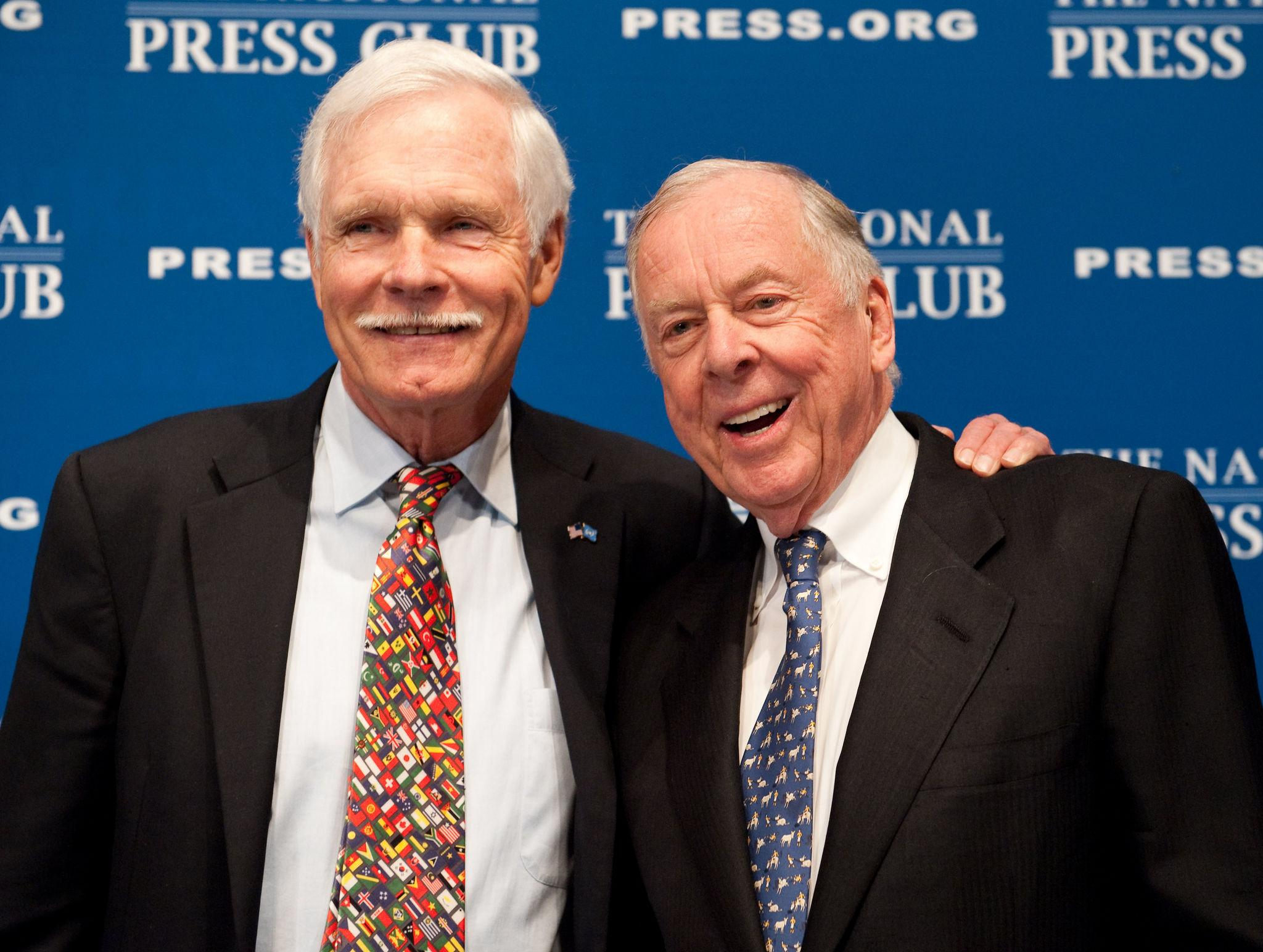
Who Was Ted Turner?
Robert Edward “Ted” Turner III was born on November 19, 1938, in Cincinnati, Ohio. He grew up in a strict household and attended military boarding schools before enrolling at Brown University, where he studied classics. However, his father disapproved of his academic direction, eventually cutting off his tuition support. Turner left school and joined the family billboard advertising business.
His life changed permanently in 1963 after his father died by suicide. At only 24 years old, Turner inherited the struggling company and quickly demonstrated the aggressive business instincts that would later define his career.
What began as a regional advertising operation soon expanded into radio stations and eventually television. Turner acquired a struggling Atlanta television station in 1970 and transformed it into WTBS, America’s first “superstation,” broadcasting nationally through satellite technology.
That innovation laid the foundation for one of the biggest revolutions in broadcasting history.
How Ted Turner Created CNN and Changed Global News
In 1980, Turner launched CNN — the world’s first 24-hour cable news network. At the time, many industry observers believed the concept was doomed to fail.
Traditional television networks operated around fixed nightly broadcasts. Turner envisioned something radically different: continuous live news coverage available at any moment of the day.
His gamble succeeded beyond expectations.
CNN became globally indispensable during major world events, particularly the 1990–1991 Gulf War, when audiences watched live war coverage in real time from Baghdad. The network transformed public expectations for news delivery and inspired future competitors including Fox News and MSNBC.
Mark Thompson, Chairman and CEO of CNN Worldwide, described Turner as:
“The giant on whose shoulders we stand.”
Christiane Amanpour added:
“Ted Turner was a giant. He changed not just the world, but all of our lives, too.”
Turner’s influence extended beyond journalism. His Turner Broadcasting empire grew to include:
- TBS
- TNT
- Cartoon Network
- Turner Classic Movies
- CNN International
- HLN (formerly Headline News)
His vision permanently changed television economics and programming worldwide.
Ted Turner Net Worth and the Rise — Then Fall — of a Media Empire
At the height of his success, Ted Turner became one of the wealthiest and most powerful media executives in America.
In 1996, Turner Broadcasting merged with Time Warner in a blockbuster deal valued at approximately $7.5 billion, making Turner vice chairman of the media giant.
However, the later AOL-Time Warner merger became one of the most disastrous corporate deals in business history. The collapse of the dot-com bubble caused staggering financial losses, wiping out billions in shareholder value and dramatically shrinking Turner’s fortune.
Turner himself acknowledged the losses with characteristic humor and bitterness, once remarking:
“I lost Jane. I lost my job here. I lost my fortune, most of it.”
Even after the decline, Turner remained a billionaire and one of the largest landowners in North America.
Ted Turner and Jane Fonda: One of America’s Most Famous Couples
Among the most searched questions about Turner is his relationship with actress Jane Fonda.
Turner and Fonda began dating in 1989 and married in 1991, quickly becoming one of the most recognizable celebrity-power couples of the decade.
Their relationship blended Hollywood glamour with political activism, philanthropy, and environmental advocacy. They frequently appeared together at charity events, global conferences, and public campaigns.
Yet the marriage faced significant personal tensions.
Reports indicated disagreements over spirituality, lifestyle, and Turner’s demanding personality contributed to the eventual separation. Fonda later reflected that although she deeply loved him, she could not continue living entirely within his world.
Despite their divorce after ten years of marriage, the two reportedly remained close friends for decades.
Who Was Ted Turner Married To?
Ted Turner was married three times during his life:
- Judy Nye
- Jane Shirley Smith
- Actress Jane Fonda
His marriage to Fonda became the most publicly recognized and culturally influential of the three.
Ted Turner Children and Family Legacy
Ted Turner is survived by five children:
- Rhett Turner
- Laura Turner Seydel
- Jennie Turner Garlington
- Teddy Turner
- Beau Turner
He also left behind 14 grandchildren and two great-grandchildren.
Several of his children became actively involved in conservation and philanthropic initiatives connected to the Turner Foundation and environmental causes.
Did Ted Turner Die? Cause of Death and Final Years
Yes. Ted Turner died peacefully on May 6, 2026, at age 87, according to statements released by Turner Enterprises and multiple news organizations.
Although many online searches ask “Did Ted Turner die?” or “How did Ted Turner die?”, official reports stated he died peacefully surrounded by family. Specific medical details regarding the exact cause of death were not extensively disclosed in early announcements.
In his later years, Turner publicly revealed that he had Lewy body dementia, a progressive neurological disorder. He had also recovered from pneumonia in early 2025 before returning to rehabilitation care.
He reportedly died at his ranch property near Tallahassee, Florida.
Ted Turner and the Atlanta Braves
Long before sports streaming and global baseball branding became common, Turner transformed the Atlanta Braves into a national phenomenon.
He purchased the Braves in 1976 and aggressively marketed the team through WTBS broadcasts nationwide. The strategy earned the Braves the nickname “America’s Team.”
Under Turner’s ownership:
- The Braves reached multiple World Series appearances
- The franchise won the 1995 World Series
- National cable broadcasts dramatically expanded the team’s fanbase
The Braves organization honored Turner after his death, calling him:
“A brilliant businessman, consummate showman and passionate fan of his beloved Braves.”
Turner also owned:
- The Atlanta Hawks (NBA)
- The Atlanta Thrashers (NHL)
Ted Turner and WCW Wrestling
Ted Turner also played a major role in professional wrestling history.
Through Turner Broadcasting, World Championship Wrestling (WCW) became a direct competitor to WWE during the famous “Monday Night Wars” of the 1990s. Turner reportedly supported wrestling because he believed it was valuable television programming capable of attracting large audiences.
Under Turner-owned networks, WCW experienced massive popularity with stars including:
- Hulk Hogan
- Sting
- Ric Flair
- Goldberg
Ric Flair later praised Turner for creating opportunities for countless wrestlers and helping professional wrestling enter mainstream cable entertainment.
A Billionaire Conservationist and Philanthropist
Turner’s later life increasingly focused on environmental restoration and philanthropy.
He donated $1 billion to establish the United Nations Foundation, one of the largest charitable gifts ever made at the time.
His environmental work included:
- Restoring wildlife habitats
- Reintroducing bison herds
- Supporting endangered species recovery
- Funding climate and conservation initiatives
At one point, Turner owned approximately 2 million acres of land across North America and Argentina.
Environmental writers described his conservation philosophy as practical rather than symbolic. Turner believed wealthy landowners had a responsibility to actively restore ecosystems rather than simply preserve them passively.
His ranches became known for:
- Native grass restoration
- Longleaf pine replanting
- Habitat recovery programs
- Wildlife conservation projects
One conservation report noted:
“He was a billionaire who disliked the idea that capitalism required plunder.”
Ted Turner’s Lasting Cultural Influence
Ted Turner’s legacy reaches far beyond CNN.
He helped define:
- Modern cable television
- 24-hour live news
- National sports broadcasting
- Environmental philanthropy
- Global media consolidation
His career embodied both the promise and volatility of late 20th-century American capitalism.
Turner could be confrontational, eccentric, impulsive, and controversial. Yet even critics acknowledged his extraordinary ability to anticipate where media and culture were heading before others recognized the shift.
His impact can still be seen every time:
- Breaking news appears live on television
- Sports franchises build national brands
- Cable channels target niche audiences
- Billionaires publicly compete through philanthropy
Few media executives ever reshaped public life on such a global scale.
Conclusion
Ted Turner lived several remarkable lives within one lifetime — media disruptor, sports owner, philanthropist, conservationist, businessman, yachtsman, and cultural icon.
He transformed how news was delivered to the world through CNN, revolutionized cable broadcasting, expanded the reach of sports entertainment, and later dedicated vast resources toward environmental restoration and global humanitarian efforts.
Even after financial setbacks and personal struggles, Turner remained one of the most influential figures in modern American media history.
His death at 87 closes the chapter on one of the boldest and most unconventional careers in broadcasting history, but the systems he built — and the industries he reshaped — continue to influence daily life across the world.


