
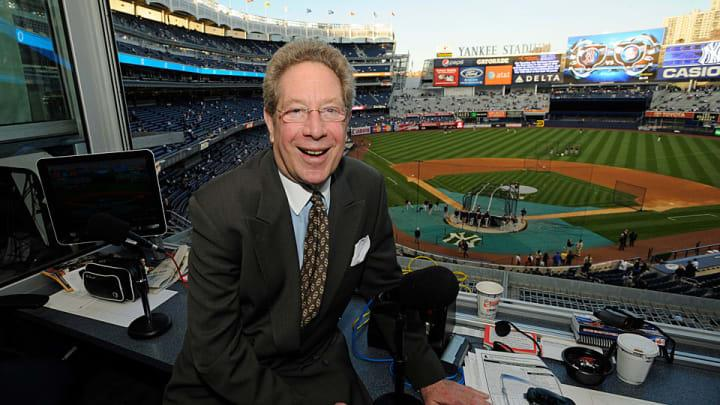
John Sterling Dies at 87: The Voice That Defined Yankees Baseball Falls Silent
Breaking News: John Sterling’s Death Confirmed
The sports world is mourning the loss of one of its most recognizable voices. John Sterling, the legendary radio broadcaster synonymous with New York Yankees baseball, has died at the age of 87. His passing was confirmed by both the Yankees organization and WFAN radio, prompting an outpouring of tributes across Major League Baseball and beyond.
For decades, Sterling’s voice served as the soundtrack of Yankees baseball, weaving together moments of triumph, heartbreak, and history with unmistakable theatrical flair. News of his death has rapidly spread online, answering the widespread question circulating among fans: Did John Sterling die? The answer, sadly, is yes—marking the end of an era in sports broadcasting.
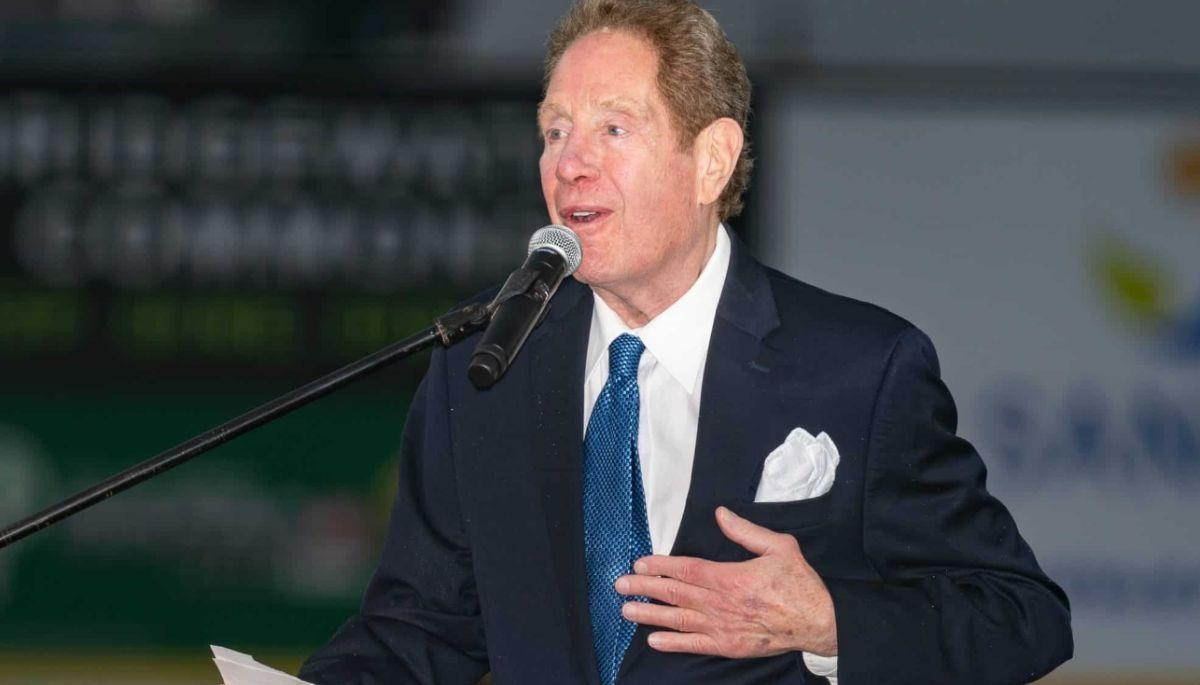
A Career That Spanned Generations
John Sterling’s association with the New York Yankees began in 1989, launching a remarkable tenure that would last for parts of 36 seasons. Over that time, he became one of the most enduring figures in sports media.
By the numbers, his career was extraordinary:
- 5,420 regular-season games called
- 211 postseason games
- 5,060 consecutive broadcasts from September 1989 to July 2019
- Coverage of 24 postseason runs, seven World Series appearances, and five championships
These figures are not just statistics—they represent unmatched consistency and dedication. His streak of 5,060 consecutive games alone stands as one of the most impressive feats in sports broadcasting history.
Sterling retired in April 2024, citing the physical demands of travel, though he briefly returned later that year to call postseason games—an indication of his enduring connection to the sport and the team.
The Signature Voice of the Yankees
To understand John Sterling’s impact, one must go beyond numbers and into the texture of his broadcasting style.
He was not merely a commentator—he was a performer.
Sterling’s signature call, “The Yankees win!”, became a ritual for fans, punctuating victories with unmistakable energy. But perhaps even more iconic were his personalized home run calls, which transformed routine plays into memorable moments:
- “Bernie goes boom! Bern, baby, Bern!” – Bernie Williams
- “It’s a Jeter jolt!” – Derek Jeter
- “It’s an A-bomb from A-Rod!” – Alex Rodriguez
- “The Giambino!” – Jason Giambi
- “A thrilla from Godzilla!” – Hideki Matsui
These phrases became embedded in Yankees culture, as recognizable as pinstripes or championship rings. Fans eagerly anticipated what Sterling would say each time a new player hit their first home run.
Health Struggles Before His Passing
In the months leading up to his death, Sterling had faced significant health challenges. He underwent heart bypass surgery during the winter and was being cared for at his home in Edgewater, New Jersey.
Earlier in 2026, reports indicated he had also suffered a heart attack, though he initially appeared to be recovering.
Ultimately, complications following these health issues contributed to his passing, bringing a close to a career that spanned more than six decades in broadcasting.
Tributes Pour In Across Baseball
Following the announcement, tributes flooded in from organizations, colleagues, and fans.
The New York Yankees released a heartfelt message mourning “the loss of a legendary broadcaster,” while WFAN described Sterling as “a radio icon whose voice was synonymous with an entire generation of Yankee fandom.”
Major League Baseball added:
“Through his unique style and passionate play-by-play calls, Sterling endeared himself to generations of players and fans.”
His longtime partnership with Suzyn Waldman—lasting over 20 seasons—was also widely celebrated, often described as one of the most distinctive broadcasting duos in sports.
More Than a Broadcaster: A Cultural Figure
Sterling’s influence extended far beyond the booth.
He helped shape how fans experienced baseball, particularly in an era when radio remained a primary connection to the game. His storytelling, humor, and flair turned ordinary moments into shared memories.
His work also bridged generations—older fans grew up listening to him, while younger audiences discovered his calls through highlights and digital platforms.
In many ways, Sterling represented a style of broadcasting that prioritized personality and entertainment as much as precision. He made the game feel alive.
Answering the Question: Did John Sterling Die?
With widespread online searches including phrases like “john sterling death,” “john sterling dead,” and “did john sterling die,” clarity is essential.
Yes—John Sterling has passed away at age 87.
The reports are confirmed by the Yankees organization, WFAN, and multiple major outlets. His death is not a rumor but a verified loss that has deeply impacted the baseball community.
The Legacy He Leaves Behind
John Sterling’s legacy is both measurable and immeasurable.
Measured in numbers, it includes thousands of games, countless home runs, and historic championship calls.
But beyond statistics, his legacy lives in:
- The rhythm of his voice echoing through radios
- The creativity of his signature phrases
- The emotional connection he built with fans
Few broadcasters become inseparable from the teams they cover. Sterling achieved that rare status—becoming not just a voice of the Yankees, but the voice of Yankees baseball for an entire generation.
Conclusion: The End of an Era
John Sterling’s death marks the closing chapter of one of the most distinctive careers in sports broadcasting history.
From his first call in 1989 to his final moments behind the microphone decades later, he brought energy, personality, and unmistakable passion to every game.
For millions of fans, baseball will never sound quite the same again.


