


WhatsApp Upcoming Features 2026: A Future Outlook on Design, Tools, and User Experience
A New Era for WhatsApp Begins
WhatsApp is entering 2026 with one of its most ambitious transformations yet—an overhaul that goes far beyond incremental updates. Instead of simply adding new features, the platform is redefining how users interact with messaging itself. From a visually immersive interface inspired by Apple’s design philosophy to the removal of underused features, WhatsApp is sharpening its focus on performance, usability, and modern aesthetics.
With more than three billion users worldwide, even small changes can ripple across global communication habits. The upcoming updates suggest a clear direction: simplify what doesn’t work, enhance what users rely on, and modernize the entire experience.
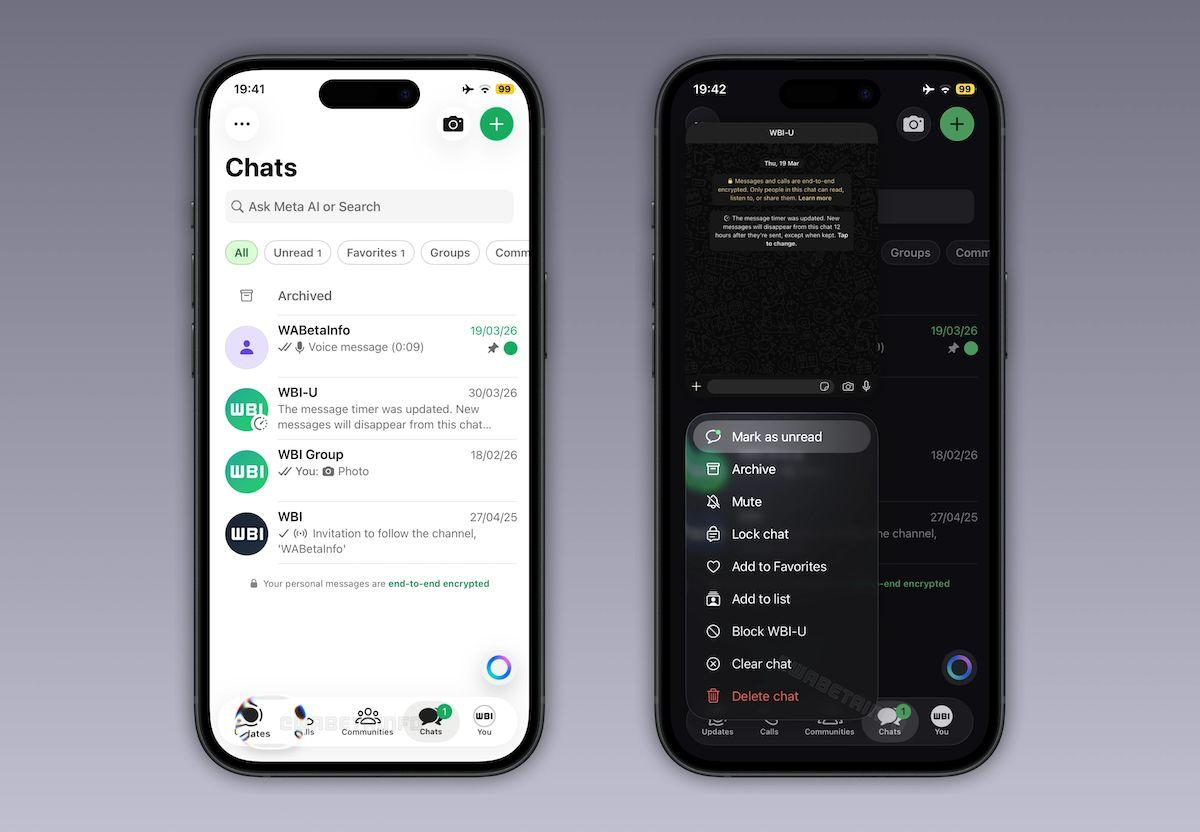
The “Liquid Glass” Interface: A Visual Revolution
At the center of WhatsApp’s 2026 roadmap is the introduction of the “Liquid Glass” design language, a major visual overhaul inspired by Apple’s iOS ecosystem.
Unlike the traditional flat and rigid interface, the new design introduces:
A More Fluid, Transparent Experience
- Semi-transparent UI layers allow background content to subtly show through menus
- Blur effects create depth and separation between interface elements
- The overall look feels lighter, softer, and more immersive
This shift reflects a broader trend in app design—moving toward interfaces that feel less mechanical and more organic.
Floating Navigation for Modern Interaction
One of the standout changes is the floating navigation bar, which appears to hover above the interface rather than being fixed at the bottom.
- Adds visual depth and spatial awareness
- Adapts dynamically to on-screen content
- Enhances usability without cluttering the screen
Redesigned Buttons, Menus, and Animations
WhatsApp is also refining micro-interactions:
- Frosted glass-style buttons
- Smoother transitions and animations
- More responsive touch feedback
These changes may seem subtle, but collectively they elevate the perceived quality of the app.
A Redesigned Chat Experience
The chat interface—WhatsApp’s core functionality—is also receiving significant upgrades.
Floating Chat Bar and Translucent Elements
Reports indicate the introduction of:
- A floating chat input bar
- A translucent navigation header
These updates aim to streamline conversations while making the interface feel more modern and less intrusive.
Although not yet publicly available, the redesign is already undergoing internal testing and is expected to roll out gradually once finalized.
Improved Keyboard and Input Design
The typing experience is also evolving:
- Softer edges and more integrated layout
- Transparent styling aligned with system UI
- Better alignment with device design standards
The result is a more cohesive and visually consistent messaging experience.
Gradual Rollout: Who Gets It First?
WhatsApp is taking a cautious, phased approach to these changes.
- Currently rolling out primarily on iOS (iPhone users)
- Available in newer app versions like 26.14.76
- Android availability remains uncertain but likely to follow
Notably, even some beta users have not yet received full access, suggesting that the company is prioritizing stability over speed.
Feature Cleanup: The End of Avatars
Alongside new features, WhatsApp is also trimming what doesn’t work.
Why Avatars Are Being Removed
The platform is phasing out its avatar feature, which allowed users to create digital versions of themselves. The decision appears to be driven by low engagement.
- Users can no longer create or edit avatars
- Avatar displays in profiles and chats are being removed
- Existing avatar stickers will still remain usable
This move highlights a critical shift in strategy: focusing on tools that enhance communication rather than novelty features.
What This Means for Users
For most users, the impact will be minimal:
- No action required
- Previously shared content remains intact
- The interface becomes cleaner and less cluttered
The removal is being rolled out gradually, with full completion expected in the coming weeks.
Strategic Direction: What WhatsApp Is Prioritizing
The combination of redesign and feature removal reveals a broader vision.
Focus Areas Moving Forward
WhatsApp is doubling down on:
- Core messaging improvements
- Voice and video communication enhancements
- AI-powered tools and smart features
- Streamlined user interface design
Features that don’t contribute to daily usage—like avatars—are being phased out to free up resources for more impactful innovations.
The Bigger Picture: Why This Matters
These updates are not just cosmetic—they represent a deeper transformation in how messaging platforms evolve.
For Users
- A cleaner, more intuitive interface
- Faster, smoother interactions
- Reduced clutter and distractions
For the Industry
- Reinforces the shift toward minimalist, immersive design
- Signals a move away from “feature overload”
- Highlights the importance of user behavior-driven development
For Meta (WhatsApp’s Parent Company)
- Better alignment with modern operating systems
- Increased competitiveness against iMessage, Telegram, and other platforms
- Stronger foundation for future AI integration
What to Expect Next
While the Liquid Glass design is the headline feature, it likely marks just the beginning.
Future updates may include:
- Expanded AI integration within chats
- Enhanced calling features (e.g., noise cancellation)
- More intelligent message management tools
- Further interface refinements across all app sections
The direction is clear: WhatsApp is evolving from a simple messaging app into a more intelligent, visually refined communication platform.
Conclusion: A Defining Year for WhatsApp
The upcoming WhatsApp features in 2026 represent a turning point. Instead of adding more features for the sake of it, the platform is refining its identity—focusing on clarity, usability, and modern design.
The Liquid Glass interface introduces a fresh visual language, while the removal of avatars reflects a commitment to practicality over novelty. Together, these changes signal a mature, user-focused evolution.
For billions of users worldwide, the experience of sending a message is about to feel noticeably different—and significantly better.


