

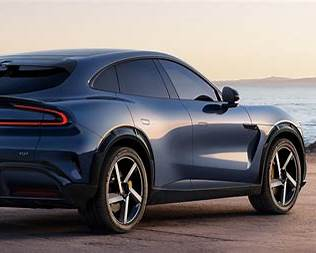
Xiaomi’s EV Momentum Accelerates as YU7 GT Debut Approaches
A Market Analysis of Growth, Competition, and What Comes Next
Xiaomi’s rapid ascent in the electric vehicle (EV) industry is entering a new phase. After delivering more than 30,000 vehicles in April 2026, the Chinese tech giant is preparing to unveil its most ambitious automotive product yet: the high-performance YU7 GT SUV.
The convergence of surging sales, expanding production capacity, and an increasingly competitive product lineup signals that Xiaomi is no longer an experimental entrant in the EV space—it is becoming a serious contender in both mass-market and premium electric mobility.
A Breakout Month: Sales Surge Signals Strong Demand
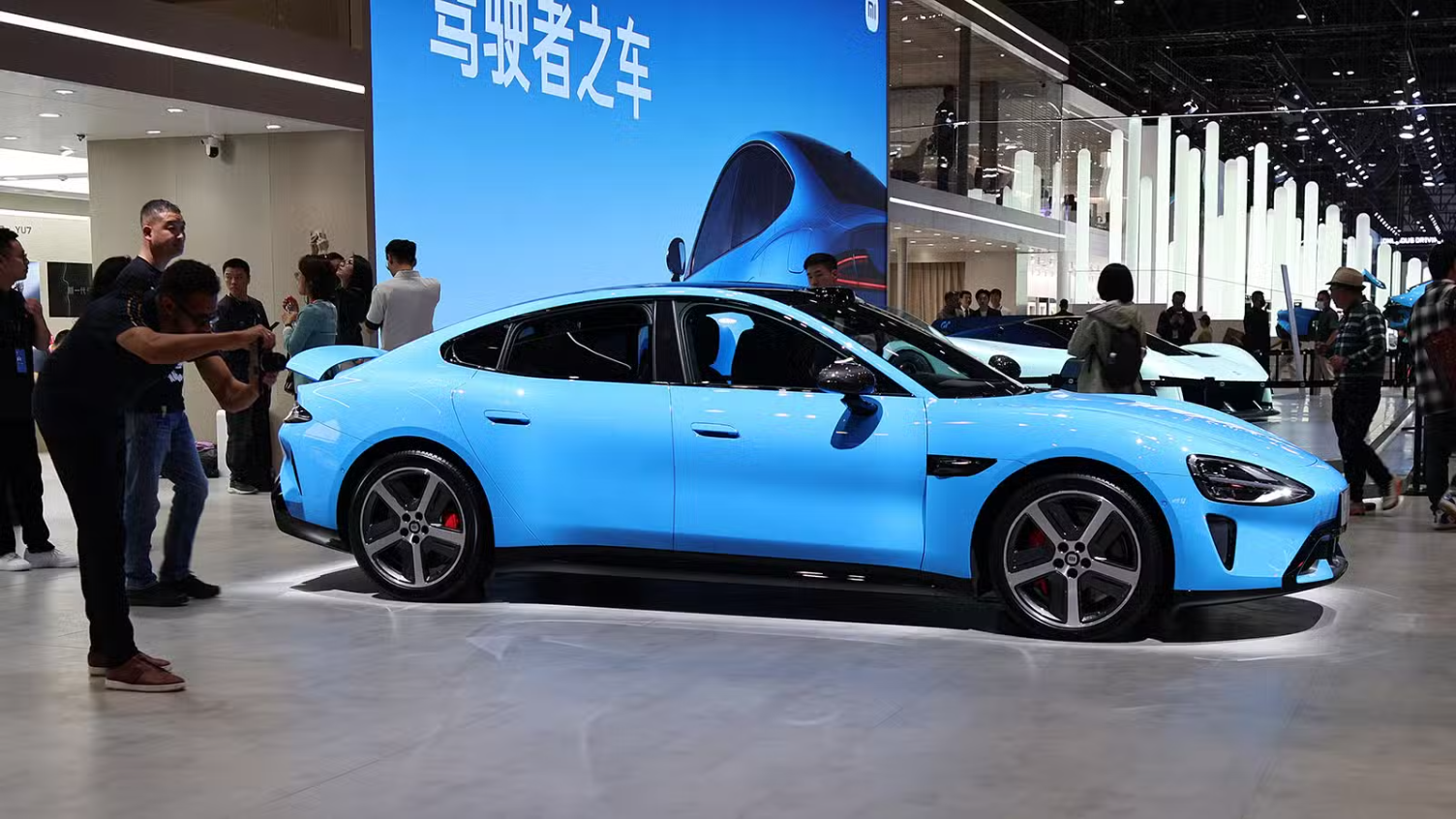
April marked a pivotal moment for Xiaomi’s automotive division. The company delivered over 30,000 EVs during the month, a sharp rise from the 21,440 units recorded in March.
This represents roughly 50% month-on-month growth, underscoring both accelerating demand and Xiaomi’s ability to scale manufacturing efficiently.
The rebound follows a relatively uneven first quarter, suggesting that Xiaomi has successfully stabilized its production and delivery pipeline. Analysts attribute the surge primarily to two factors:
- Continued demand for the YU7 SUV, which has been a major volume driver
- Increasing contributions from the new-generation SU7 sedan, which entered full delivery in April
The numbers also point to broader momentum: Xiaomi delivered approximately 109,000 vehicles in the first four months of 2026, representing an 11% increase year-on-year.
Scaling Fast: From Consumer Electronics to Automotive Manufacturing
Xiaomi’s EV growth is not happening in isolation—it reflects a deliberate strategy to leverage its strengths in supply chain integration and high-volume manufacturing.
The company has rapidly built a nationwide footprint, operating 495 retail stores across 143 cities as of late April.
This infrastructure allows Xiaomi to replicate a model that worked in smartphones:
- Tight integration of hardware and software
- Rapid product iteration cycles
- Aggressive pricing to capture market share
In the EV space, however, this approach comes with higher stakes. Production ramp-up costs, subsidies, and logistics complexities are already placing pressure on profitability, even as sales volumes rise.
The YU7 GT: Xiaomi’s Push Into the Performance Segment
At the center of Xiaomi’s next growth phase is the YU7 GT, a high-performance electric SUV scheduled for launch at the end of May 2026.
Unlike its predecessors, the YU7 GT is positioned not just as a practical EV, but as a “pure-blooded GT”—a vehicle designed for both high-speed performance and long-distance comfort.
Key Specifications and Performance Highlights
- Length: 5,015 mm
- Width: 2,007 mm
- Height: 1,597 mm
- Wheelbase: 3,000 mm
Under the hood, the YU7 GT features a dual-motor powertrain delivering 738 kW (990 hp), placing it firmly in the ultra-performance category.
Expected capabilities include:
- Top speed: 300 km/h
- Acceleration: 0–100 km/h in ~2 seconds
- Range: Approximately 705 km (CLTC standard)
With a projected price between 450,000 and 500,000 yuan, Xiaomi is targeting the premium EV segment—directly competing with established luxury brands.
Competitive Landscape: Taking Aim at Tesla and Beyond
The YU7 lineup has already been positioned as a competitor to Tesla’s Model Y, one of the world’s best-selling EVs.
However, the YU7 GT pushes Xiaomi into a different arena—one dominated by:
- Tesla’s high-performance variants
- Porsche’s electric lineup
- Emerging Chinese premium EV brands like Nio and Zeekr
Xiaomi’s advantage lies in its ability to combine cutting-edge performance with aggressive pricing, a strategy that has disrupted markets before.
But the challenge is significant: premium EV buyers demand not just speed, but also brand prestige, refinement, and long-term reliability—areas where traditional automakers still hold an edge.
Demand Pipeline: Orders and Delivery Pressure
The company’s order book suggests strong future demand:
- SU7 locked-in orders exceed 70,000 units
- YU7 cumulative deliveries have reached 231,000 units within 10 months
These figures indicate that Xiaomi’s EV business is not only growing—it is building a substantial backlog.
However, this success introduces a new challenge: delivery timelines.
Reports indicate varying delivery times depending on model and configuration, reflecting ongoing efforts to balance demand with production capacity.
Financial Reality: Growth vs Profitability
While Xiaomi’s EV unit is gaining traction, analysts caution that profitability may lag behind volume growth.
Key concerns include:
- High upfront costs associated with scaling production
- Subsidy dependencies in the EV sector
- Pressure from declining smartphone revenues, Xiaomi’s traditional core business
This dynamic is not unique to Xiaomi—many EV startups have faced similar trade-offs between rapid expansion and financial sustainability.
The Road Ahead: Ambitious Targets and High Expectations
Xiaomi has set a bold target for 2026:
550,000 vehicle deliveries for the full year, a 34% increase from 2025.
To achieve this, the company will need to:
- Sustain monthly deliveries well above current levels
- Successfully launch and scale new models like the YU7 GT
- Continue expanding its retail and service network
The YU7 GT launch could play a pivotal role. As a halo product, it has the potential to:
- Elevate Xiaomi’s brand perception in the automotive market
- Attract higher-margin customers
- Showcase the company’s engineering capabilities
Conclusion: From Disruptor to Contender
Xiaomi’s EV journey is moving at an unusually rapid pace. In less than a year, the company has transitioned from a newcomer to a volume player with serious ambitions in the premium segment.
The surge past 30,000 monthly deliveries is more than a milestone—it is a signal that Xiaomi’s integrated technology strategy is translating into real-world automotive success.
Yet the next phase will be more demanding. As the YU7 GT enters the spotlight, Xiaomi must prove it can compete not only on price and performance, but also on quality, brand strength, and long-term profitability.
The stakes are high—but so is the momentum.


