

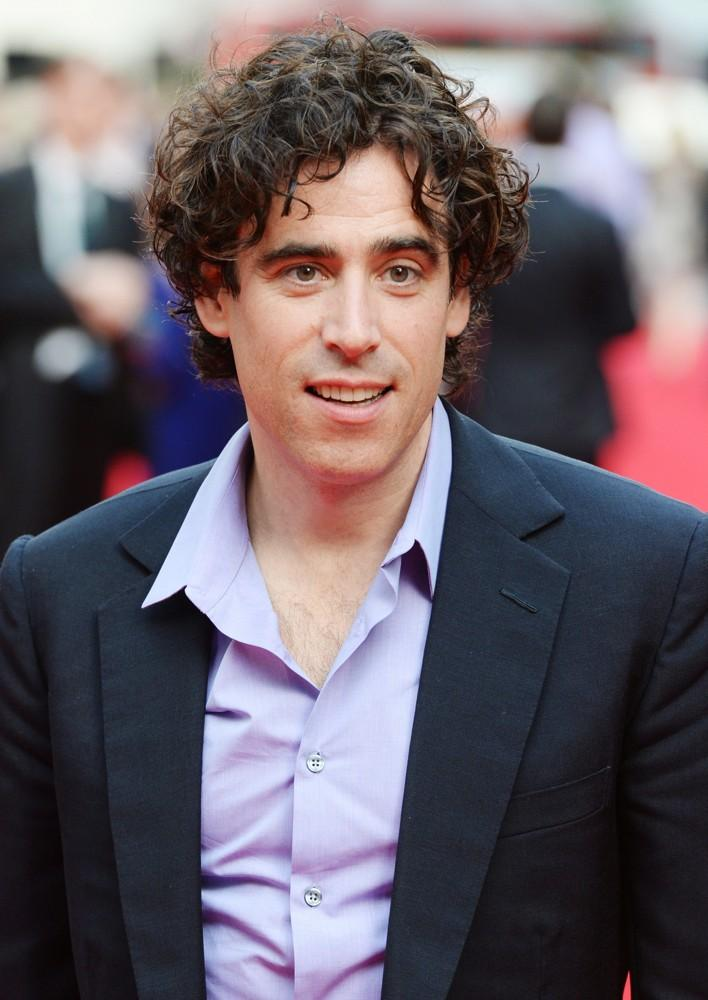
Stephen Mangan: A Life Shaped by Loss, Family, and Enduring Resilience
A Story Beyond the Screen
Stephen Mangan is widely recognized as a familiar face on British television, celebrated for roles in productions such as Green Wing, Episodes, and BBC’s The Split. Yet behind the success and steady presence on screen lies a deeply personal narrative—one marked by profound loss, emotional resilience, and an enduring commitment to family.
In recent reflections shared during an appearance on Love Your Weekend With Alan Titchmarsh on Sunday, May 3, Mangan offered a rare glimpse into the experiences that have quietly shaped his life and decisions.
This is not simply the story of a successful actor. It is a narrative about how grief, memory, and family bonds can redefine what “home” truly means.
Early Tragedy: Loss at a Young Age
Mangan’s journey through grief began early. In 1991, at just 22 years old, he faced a devastating reality when his mother was diagnosed with colon cancer. Within six months, she had passed away—a sudden and life-altering loss.
More than a decade later, tragedy struck again. In 2005, his father died from a brain tumour at the age of 63, also only six months after diagnosis.
These two events—mirroring each other in their speed and finality—left a lasting imprint.
“You feel so helpless when something like that happens to someone you love,” Mangan said, reflecting on those moments.
He added a perspective shaped by those experiences:
“A lot of people live in denial and don’t want to think about what might happen because it’s depressing. I find being aware the clock is ticking makes being alive feel more special.”
For Mangan, awareness of life’s fragility has not led to fear, but rather to a deeper appreciation of time and relationships.
The Absence That Lingers
Despite building a fulfilling life and becoming a father himself, the emotional weight of loss remains present.
“It’s a source of tremendous sadness to me that my parents never got to meet my children,” he admitted.
That sentiment reveals a quieter dimension of grief—one that extends beyond the loss itself into the missed moments and connections that never had the chance to exist.
This absence is not simply about the past; it is about the future that never unfolded.
Rebuilding “Home”: The Wiltshire House
After their father’s death in 2005, Mangan and his two younger sisters, Anita and Lisa, made a decision that would carry both emotional and symbolic weight.
Together, they pooled their resources to purchase a £800,000 country house in Wiltshire.
The purchase was not merely financial—it was deeply personal.
“When dad died, we bought a little place in the countryside, all three of us, that we could use and go to as a family because you no longer have a family home or a place that you can gather so we got somewhere.”
In essence, the house became a deliberate reconstruction of something they had lost: a shared space, a center of family life, a place of belonging.
Family as Foundation
Mangan’s reflections consistently return to the importance of his immediate family unit. His bond with his sisters, strengthened through shared grief, has become central to his sense of identity.
“They are the people who made me, my mum, my dad and sisters. From that little family unit everything in my life has sprung.”
This statement underscores a broader truth: that family, even in the face of loss, remains a foundational force shaping values, decisions, and emotional resilience.
The Wiltshire home, therefore, stands not just as property, but as a physical manifestation of that bond.
Career Success Amid Personal Struggles
While navigating personal tragedy, Mangan’s professional career has continued to flourish.
He remains a prominent figure in British television and is set to appear in Charles Dance’s upcoming film The Inn At The Edge Of The World.
This duality—professional success alongside private hardship—is a common thread among public figures. Yet Mangan’s willingness to speak candidly about his experiences offers a rare level of authenticity.
Rather than separating his personal life from his career, he acknowledges how deeply the two are intertwined.
A Broader Reflection: Grief and Meaning
Mangan’s story resonates beyond celebrity culture because it touches on universal themes—loss, family, and the search for meaning after tragedy.
His reflections suggest a shift in perspective that often follows profound loss:
- A heightened awareness of time
- A deeper appreciation of relationships
- A conscious effort to preserve connection
His comment—“being aware the clock is ticking makes being alive feel more special”—captures this transformation succinctly.
In this sense, his story is not only about grief, but about adaptation and resilience.
The Lasting Significance
Stephen Mangan’s life illustrates how personal experiences can shape not only individual choices but also broader outlooks on life.
The purchase of the Wiltshire home stands as a powerful symbol: a response to loss, a commitment to family, and a way of preserving connection in the absence of those who once defined it.
It is a reminder that “home” is not fixed—it can be rebuilt, reimagined, and reclaimed.
Conclusion: A Life Defined by Connection
Stephen Mangan’s journey is ultimately one of continuity. Despite the rupture caused by loss, he has found ways to carry forward the essence of what was lost—through family, shared spaces, and a renewed appreciation for life.
His story offers a quiet but profound message: even in the face of grief, it is possible to create new foundations while honoring the past.


