

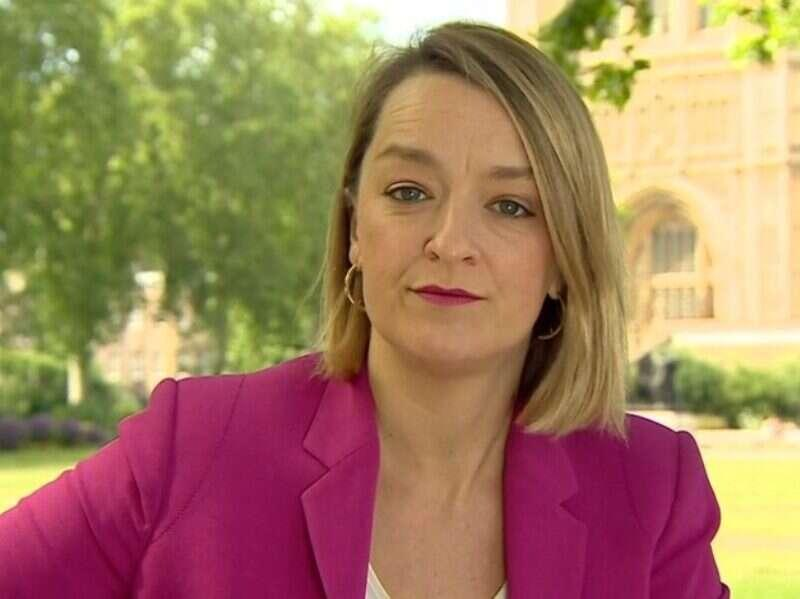
Laura Kuenssberg Wiki: A Narrative Journey Through Britain’s Influential Political Journalist
From Rome to Westminster: The Early Story
Laura Juliet Kuenssberg, born on 8 August 1976 in Rome, Italy, has become one of the most recognizable faces in British political journalism. Over the past two decades, her career has evolved from regional reporting to occupying some of the most powerful editorial and broadcasting roles in the United Kingdom.
Educated at the University of Edinburgh, Kuenssberg’s early professional years were shaped by her work as a BBC home affairs correspondent. Her reporting quickly gained attention for its clarity and authority, earning her the Royal Television Society’s “Most Promising Newcomer” award in 2001.
These formative years laid the foundation for a career defined by access to power, political insight, and a willingness to confront complex national issues.
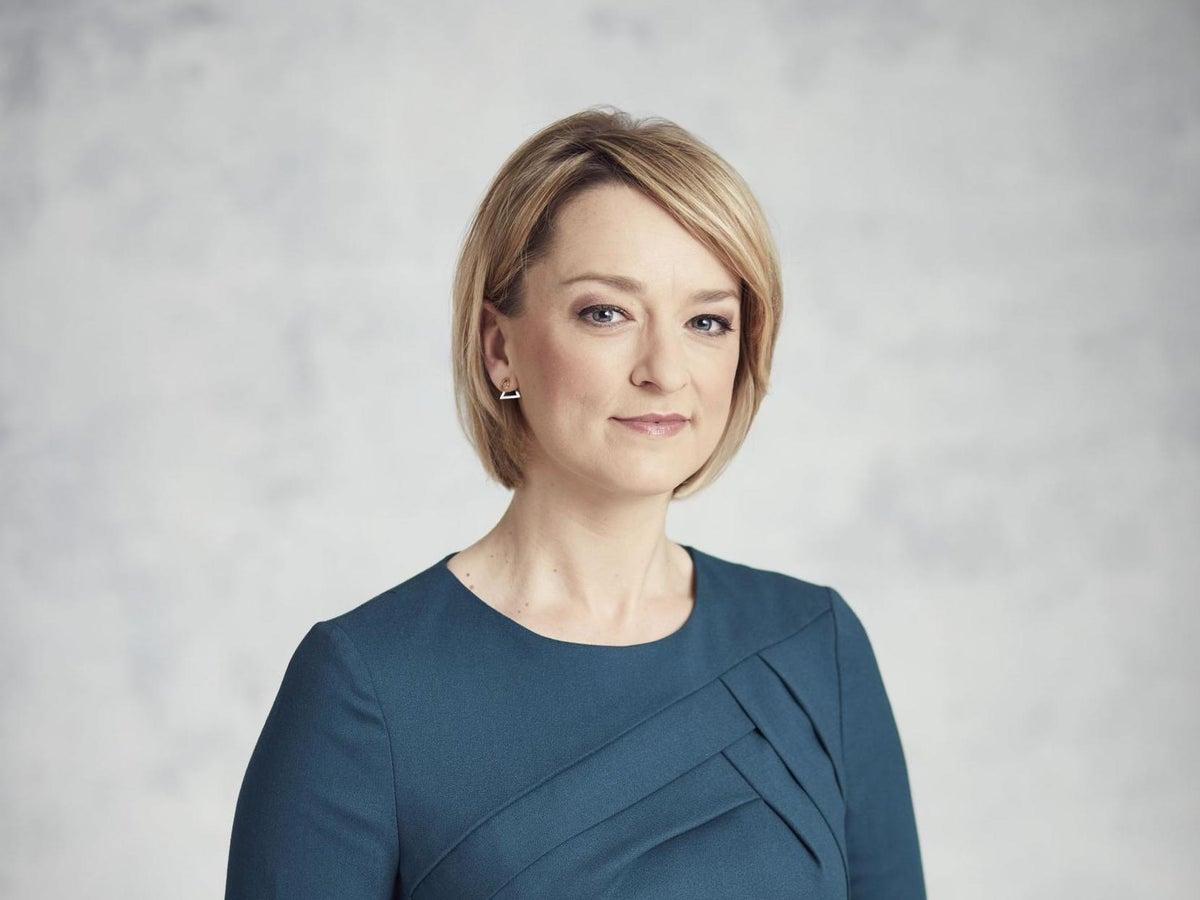
Breaking Barriers: Becoming the BBC’s First Female Political Editor
Kuenssberg’s defining breakthrough came in July 2015, when she was appointed Political Editor of BBC News—becoming the first woman to hold the position.
Her tenure coincided with one of the most turbulent periods in modern British politics:
- The 2016 EU referendum (Brexit)
- Multiple general elections
- Leadership changes across major parties
- The COVID-19 pandemic
Her reporting during these events positioned her at the center of national discourse. At times, she became as much a subject of political debate as the politicians she covered—an indication of her influence and visibility.
During this period, her work earned major industry recognition, including:
- Broadcaster of the Year (2016)
- Journalist of the Year at the British Journalism Awards (2016)
These accolades reflected not just volume, but impact—her reporting shaped how millions of viewers understood the evolving political landscape.
A Career Pivot: From Editor to Presenter
After seven years as political editor, Kuenssberg stepped down in 2022 to take on a new role within the BBC.
That transition marked a shift from behind-the-scenes political reporting to front-facing broadcasting.
In September 2022, she launched her flagship programme:
Sunday with Laura Kuenssberg
- A weekly BBC One political talk show
- Broadcast every Sunday morning
- Featuring interviews with leading politicians and public figures
- Designed as the successor to The Andrew Marr Show
The programme quickly became a central platform for political debate, maintaining the tradition of high-profile interviews while introducing subtle format changes—such as moving away from the classic in-depth newspaper review.
The show is broadcast from Studio B at Broadcasting House in London, aligning it closely with the BBC’s core news operations.
Inside the Show: A Platform for Power and Accountability
“Sunday with Laura Kuenssberg” is more than a talk show—it functions as a weekly checkpoint for British politics.
Each episode typically includes:
- Interviews with senior politicians (prime ministers, ministers, opposition leaders)
- Analysis of major national and international issues
- Panel discussions with experts and commentators
The guest list over time has included:
- Rishi Sunak
- Keir Starmer
- Liz Truss
- Jacinda Ardern
- John Kerry
- Olena Zelenska
This breadth reflects the programme’s dual focus: domestic policy and global affairs.
Editorial Voice: Analysis Beyond Headlines
Beyond presenting, Kuenssberg remains deeply engaged in political analysis.
Her recent work includes:
- Coverage of Labour’s performance after a year in power
- Analysis of government spending debates
- Interviews with global political figures
- Reporting on controversial social issues, such as social media accountability
For example, her interview with Kamala Harris explored internal dynamics within the Biden administration, while her reporting on UK politics has examined voter sentiment and policy tensions.
Her style is characterized by:
- Direct questioning
- Context-driven analysis
- A focus on implications rather than surface-level reporting
Reception and Public Debate
Kuenssberg’s prominence has also made her a polarizing figure.
Her Sunday programme has faced scrutiny over:
- Declining viewer numbers compared to its predecessor
- Changes in traditional programme format
- Public perceptions of impartiality
The debut episode attracted approximately 1.5 million viewers, with some critics suggesting that audience shifts reflected broader attitudes toward the presenter rather than the show’s structure.
Despite criticism, the programme continues to serve as a key forum for political engagement.
Influence on Modern Political Journalism
Kuenssberg’s career reflects broader shifts in journalism:
1. Personalization of News
Journalists are increasingly recognizable public figures, not just observers.
2. Real-Time Political Coverage
Her reporting during Brexit and elections exemplified the move toward continuous, live analysis.
3. Blending Reporting and Presentation
Her transition from editor to host highlights how journalists now operate across multiple formats.
Personal Life and Background
Kuenssberg is married to James Kelly, a management consultant.
She comes from a family with strong intellectual and public service connections, including notable relatives in politics and academia.
While her professional life is highly visible, she has maintained a relatively private personal profile compared to many public figures.
The Continuing Story: What Lies Ahead
As of 2025–2026, Kuenssberg remains one of the BBC’s most influential presenters, continuing to shape political discourse through her weekly programme.
Looking forward, several trends are likely to define her ongoing impact:
- Expansion of digital political content
- Greater focus on global political narratives
- Increased scrutiny of media figures themselves
Her role in major broadcast events—such as election coverage—also signals her continued importance within the BBC’s strategic lineup.
Conclusion: Why Laura Kuenssberg Matters
A “Laura Kuenssberg wiki” search often begins with basic facts—but her story goes far beyond biography.
She represents a new era of journalism where:
- Reporters become central figures in political storytelling
- Analysis carries as much weight as reporting
- Media personalities shape national conversations
From breaking barriers as the BBC’s first female political editor to anchoring one of the UK’s most prominent political programmes, Kuenssberg’s career reflects both the evolution of journalism and the enduring importance of political accountability.


