A Heated Political Moment Ahead of Key Elections
As the United Kingdom approaches a crucial round of elections, Transport Secretary Heidi Alexander has emerged at the center of an intensifying national debate—one that touches on public safety, freedom of expression, antisemitism, and the limits of protest.
The controversy, unfolding in early May 2026, reflects broader political tensions across party lines. With parliamentary elections in Scotland and Wales and local elections in England looming, statements from Alexander and other senior political figures have sharpened divisions on how the country should respond to rising security concerns and social unrest.
At the core of the issue lies a sensitive balancing act: protecting vulnerable communities while preserving democratic freedoms.
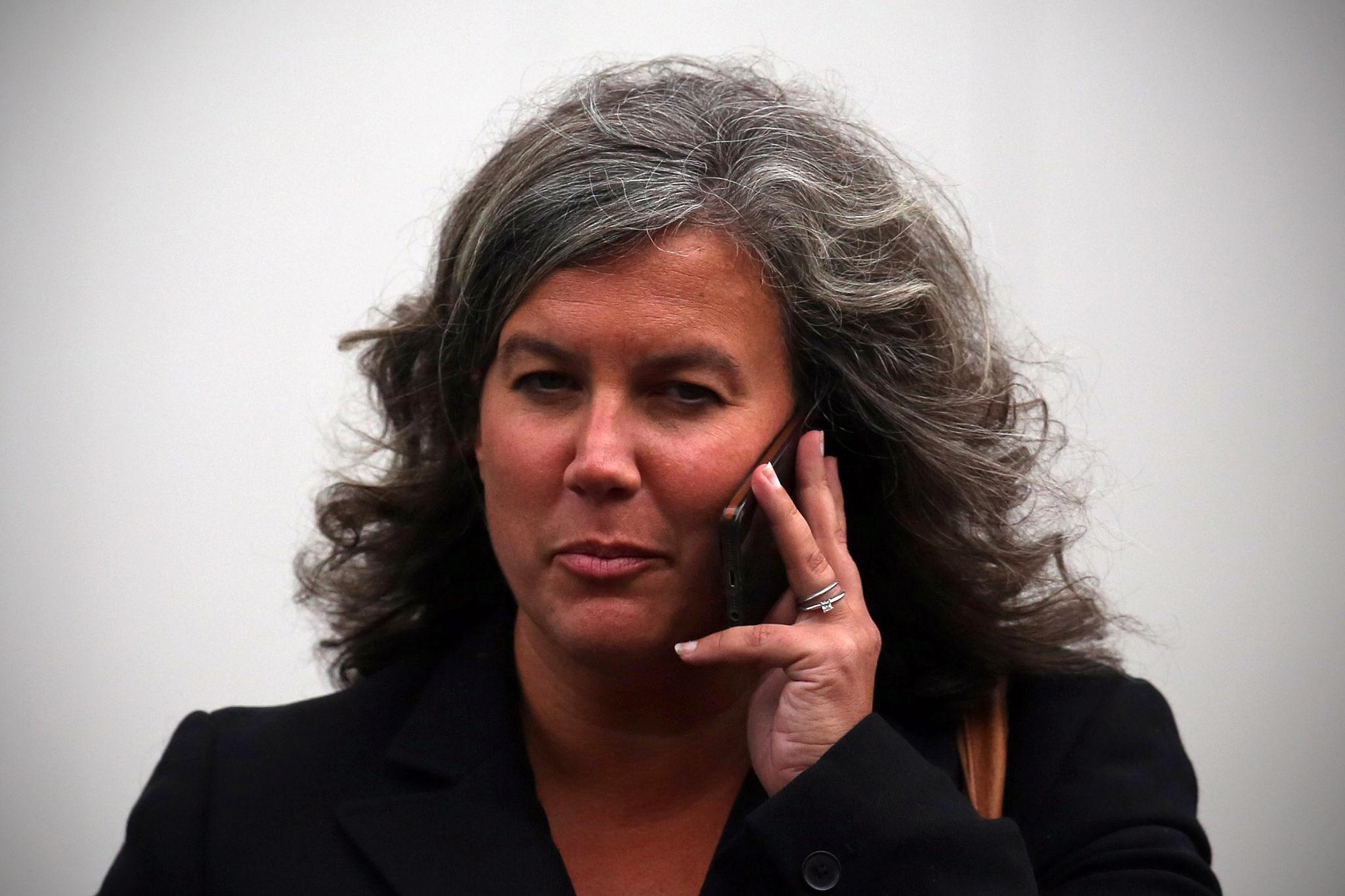
The Trigger: Golders Green Attack and Political Fallout
The immediate catalyst for the political storm was a violent knife attack in Golders Green, north London. The suspect, Essa Suleiman, 45, was accused of attempting to kill two Jewish men—Shloime Rand, 34, and Norman Shine, 76—during what authorities described as a targeted rampage.
The suspect appeared at Westminster Magistrates’ Court and was remanded in custody, but the incident quickly escalated beyond a criminal investigation into a national political flashpoint.
In the aftermath, public attention turned to how the Metropolitan Police handled the situation—specifically the force used in detaining the suspect—and how political leaders responded.
Heidi Alexander’s Strong Intervention
Heidi Alexander took a firm and highly critical stance, particularly in response to comments made by Green Party co-leader Zack Polanski.
Polanski had shared a social media post suggesting police may have used excessive force during the arrest. Although he later apologized, the backlash was immediate and severe.
Alexander did not hold back. She described the comments as “pretty disgusting” and questioned Polanski’s suitability for leadership, stating that someone who reacts so quickly to circulate such claims is “not really fit to be leading a political party in this country.”
Her criticism extended beyond rhetoric. In a striking remark, she said that if she had been in the position of the police officers—facing a potentially dangerous suspect wearing a backpack—she could “frankly see myself having taken similar action.”
This statement underscores her broader position: that law enforcement actions in high-risk scenarios should be understood within the context of immediate threats, not second-guessed prematurely.
Antisemitism and National Security Concerns
Alexander’s comments also connect to a larger concern dominating political discourse: the rise of antisemitism in the UK.
She warned that online spaces have become a “breeding ground” for antisemitic sentiment, signaling the need for stronger intervention. While she has not explicitly endorsed specific restrictions, she has notably refused to rule out the possibility of limiting certain protests if they pose risks to Jewish communities.
This perspective aligns with other senior figures. Conservative leader Kemi Badenoch described attacks on the Jewish community as “the biggest national security threat in years,” reinforcing the urgency of the issue.
Even Polanski, despite being at the center of the controversy, acknowledged the severity of the situation. He stated that “Jewish communities aren’t safe,” referencing recent incidents and personal experiences of antisemitism.
The Debate Over Protest Rights
The unfolding controversy has reignited a longstanding debate in British politics: where to draw the line between public safety and civil liberties.
Polanski, while apologizing for his earlier post, defended the principle of accountability. He argued that “no one, especially the police, should be above scrutiny,” even in the context of counter-terror operations.
At the same time, he emphasized the importance of protecting freedom of speech and protest—values that many civil liberties advocates fear could be undermined by sweeping restrictions.
Alexander and her allies, however, suggest that the current climate may require a recalibration. With rising tensions and targeted violence, the government faces mounting pressure to act decisively to ensure safety.
Political Stakes Ahead of the Ballot
This debate is unfolding at a particularly sensitive moment. Millions of voters are preparing to head to the polls on 7 May, with elections taking place across multiple regions of the UK.
The issue of security versus freedom has quickly become a defining campaign theme, influencing public perception of leadership, competence, and values.
The high-profile nature of the exchanges—featuring figures from the Conservatives, Greens, Liberal Democrats, SNP, and Plaid Cymru—has amplified the stakes. Media appearances, including interviews and panel discussions, have turned the issue into a central battleground of the election cycle.
Wider Implications for UK Society
Beyond the immediate political fallout, the situation highlights deeper societal challenges.
First, it underscores the growing role of social media in shaping political narratives. A single repost can trigger national controversy, raising questions about responsibility, speed of communication, and the spread of misinformation.
Second, it reveals the complexity of policing in an era of heightened threat levels. Officers are increasingly required to make split-second decisions under uncertain conditions—decisions that are later scrutinized in the public and political arena.
Finally, it reflects a broader shift in how governments approach protest movements. Calls to potentially restrict demonstrations, even in limited circumstances, suggest a changing landscape where security considerations may take precedence over traditional freedoms.
What Comes Next?
The immediate trajectory of the debate will likely depend on several factors:
- Election outcomes: Voter sentiment on these issues could reshape political priorities.
- Further incidents: Additional security threats could strengthen arguments for tighter controls.
- Policy responses: Any formal proposals to regulate protests or online content will be closely scrutinized.
For Heidi Alexander, the coming weeks will be critical. Her stance has positioned her as a key voice in the government’s response to antisemitism and public safety—but it also places her at the center of a contentious national conversation.
Conclusion: A Defining Moment for Policy and Principle
The “Heidi Alexander news” story is more than a political dispute—it is a reflection of the difficult choices facing modern democracies.
How should governments respond to rising threats without eroding fundamental freedoms? Where should accountability end and operational necessity begin?
As the UK navigates these questions in the lead-up to pivotal elections, the answers will not only shape political fortunes but also define the country’s approach to security, justice, and civil rights in the years ahead.


