


Heidi Alexander at the Centre of Political Storm: Leadership Loyalty, Security Fears, and a Nation on Edge
A Minister Navigating Crisis and Controversy
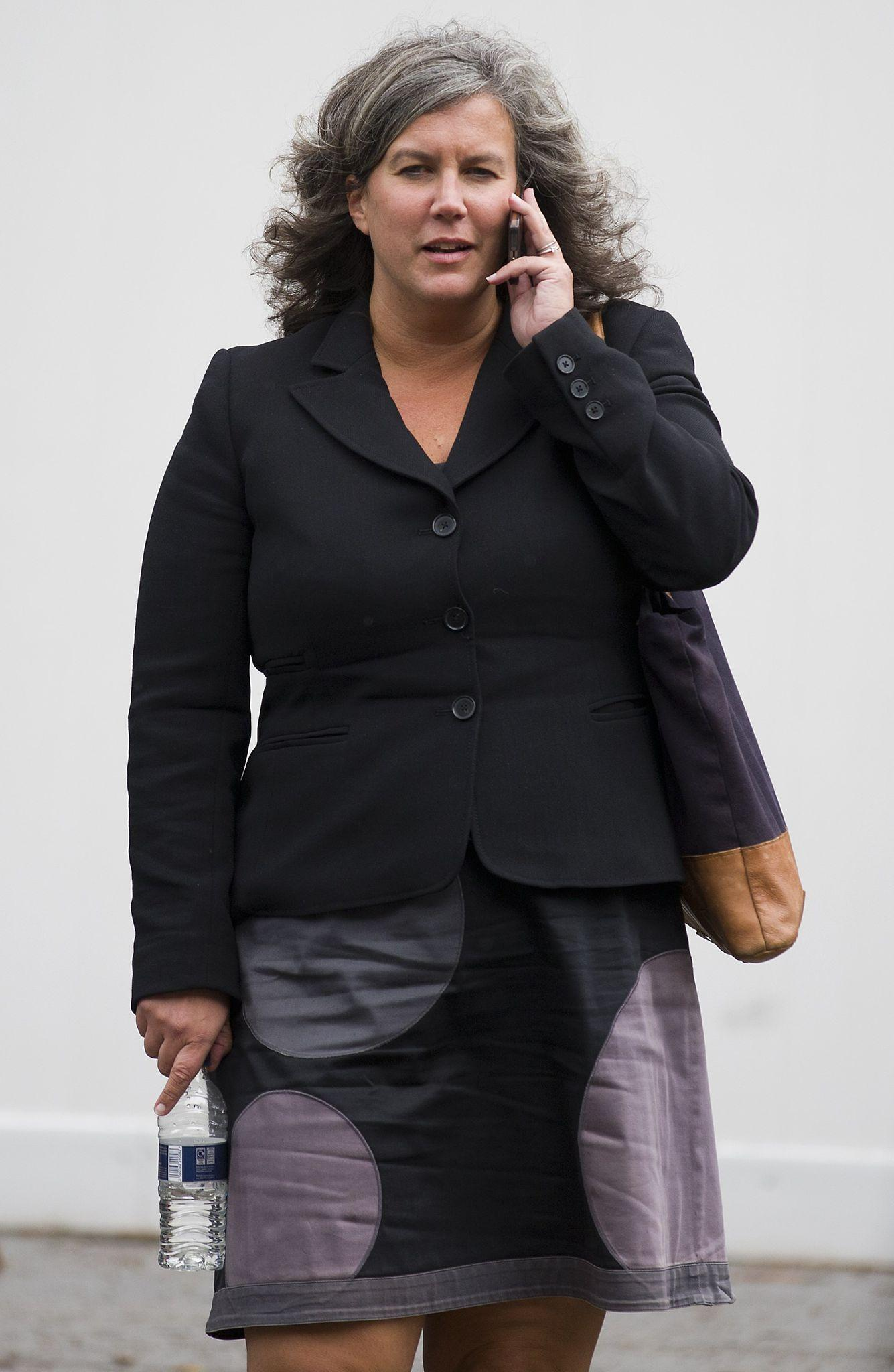
In a week marked by heightened political tension and public anxiety, UK Transport Secretary Heidi Alexander has emerged as one of the most prominent voices within the Labour government. Her remarks—spanning national security, antisemitism, and internal party unity—highlight both the pressures facing the government and the delicate balance ministers must strike in a volatile political climate.
From forceful condemnation of attacks on Jewish communities to staunch defence of Prime Minister Sir Keir Starmer’s leadership, Alexander’s interventions provide a window into how the government is attempting to respond to multiple overlapping crises.
“An Attack on Britain”: Responding to the Golders Green Stabbings
The immediate backdrop to Alexander’s recent statements is the shocking stabbing incident in Golders Green, a predominantly Jewish area in London. The attack has intensified concerns over antisemitism and community safety across the UK.
Speaking in the aftermath, Alexander delivered a message of national solidarity:
“An attack on the British Jewish community is an attack on us all, it’s an attack on Britain.”
Her comments reflect the government’s broader effort to frame antisemitic violence not as an isolated issue affecting one community, but as a direct threat to the country’s social fabric.
However, her position was not without challenge. During a televised exchange, broadcaster Trevor Phillips pushed back, arguing that such language risks diluting the specific targeting of Jewish people, stating that “this is Jews being hunted by people to harm them, not the rest of us.”
The exchange underscores a wider debate in British public discourse: how to acknowledge the specificity of antisemitic violence while maintaining a message of national unity.
Rising Security Concerns and a “Severe” Threat Level
The Golders Green attack did not occur in isolation. It follows a series of incidents that have heightened fears within the Jewish community, including attacks on synagogues and emergency services.
The UK terrorism threat level has since been raised to “severe,” reflecting intelligence assessments of increased risk.
Alexander acknowledged the seriousness of the situation, pointing to a broader pattern of violence and intimidation:
- Incidents targeting Jewish institutions
- Arson attacks on Jewish ambulances
- Growing hostility at public demonstrations
She emphasized that the government is committed to stronger policing powers and a coordinated response to what she described as a deeply troubling trend.
Free Speech vs. Hate Speech: The Protest Dilemma
One of the most contentious aspects of the current crisis involves pro-Palestine demonstrations taking place across the UK.
Prime Minister Starmer has called for stronger action against chants such as “globalise the intifada,” which many interpret as inciting violence against Jews. At the same time, he has resisted calls for outright bans on protests.
Alexander strongly defended this position, arguing for a nuanced approach:
- Protect the right to peaceful protest
- Challenge inflammatory or antisemitic rhetoric
- Encourage public accountability among demonstrators
She stated:
“Everyone’s got a responsibility to call it out.”
This stance reflects the government’s attempt to uphold civil liberties while responding decisively to hate speech—an increasingly difficult balance in a polarized environment.
Confronting Antisemitism: A “Whole of Society” Response
Alexander has been explicit in describing antisemitism as a societal issue requiring collective action.
In interviews, she stressed that responsibility does not lie solely with government or police, but with citizens themselves:
- Protesters must challenge harmful rhetoric within their ranks
- Communities must actively reject extremism
- Public institutions must enforce existing laws more rigorously
She also addressed concerns about the sources of rising antisemitism, noting links to both Islamist and far-right ideologies:
“No one’s trying to sugarcoat this problem. We will tackle it wherever we find it.”
Her comments reflect a broader government narrative that frames antisemitism as a complex, multi-origin threat requiring coordinated national action.
Leadership Under Pressure: Defending Keir Starmer
While security concerns dominate headlines, internal Labour Party dynamics have added another layer of complexity.
Speculation about a potential leadership challenge to Prime Minister Starmer has intensified ahead of local elections, with figures such as Andy Burnham and Wes Streeting reportedly considering bids.
Alexander has firmly rejected such moves, delivering one of the strongest public defences of Starmer from within the Cabinet.
She argued:
“I think (Sir Keir) is the best person to lead our country through the period of extreme international volatility that we are experiencing at the moment.”
And in a pointed warning to critics:
“Those people who think that we should have a leadership election now… probably do need to give their head a gentle wobble.”
Her remarks signal a clear effort to shut down internal dissent and project unity at a time when political instability could undermine the government’s broader agenda.
The Risk of “Political Infighting”
Alexander’s defence of Starmer is rooted in a wider concern about the dangers of internal division.
She warned against Labour becoming:
“some sort of self-indulgent debating society.”
This echoes the Prime Minister’s own warnings about repeating the mistakes of previous governments that were weakened by infighting.
For Alexander and her allies, the stakes are high:
- A divided party risks losing public confidence
- Leadership contests could distract from governance
- Political instability could hinder responses to global crises
Her message is clear: unity is not just a political preference—it is a strategic necessity.
A Broader Context: Global Instability and Domestic Pressure
Underlying many of Alexander’s arguments is a recognition of the broader geopolitical environment.
She referenced “extreme international volatility,” pointing to global conflicts and economic pressures that require steady leadership.
In this context, calls for a leadership challenge are framed not just as politically inconvenient, but as potentially harmful to national stability.
The argument is straightforward:
- The UK faces external threats and internal tensions
- Strong, consistent leadership is essential
- Political upheaval could weaken the country’s response
Conclusion: A Minister Reflecting a Government Under Strain
Heidi Alexander’s recent interventions capture the complexity of the moment facing the UK government.
She is simultaneously:
- Responding to rising antisemitism and security threats
- Defending civil liberties in a polarized society
- Managing internal political tensions
- Reinforcing leadership stability during global uncertainty
Her statements reveal a government attempting to project unity and resolve while navigating deeply challenging issues.
As the UK confronts questions about security, identity, and political leadership, Alexander’s role—and her words—offer a clear indication of the direction the government intends to take: firm on unity, uncompromising on extremism, and resistant to internal division.


