

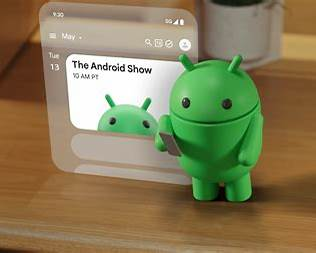
Watch Google’s The Android Show I/O Edition 2026 Live Here
Google has officially kicked off its Android season with The Android Show: I/O Edition 2026, a livestreamed event designed to preview the company’s biggest Android announcements ahead of the full Google I/O 2026 developer conference scheduled for May 19–20.
The event began streaming on May 12 at 10:00 AM PT (1:00 PM ET / 5:00 PM GMT) and marks the second consecutive year Google has hosted a dedicated Android showcase before I/O. Unlike last year’s edition, the 2026 event was fully online, allowing Android fans, developers, and tech enthusiasts around the world to tune in live.
This year’s show carried unusually high expectations. Google had already teased that 2026 would be “one of the biggest years yet for Android,” and the livestream quickly revealed why. The company introduced major updates tied to Android 17, expanded its AI ambitions with Gemini Intelligence, unveiled dramatic changes for Android Auto, and even surprised viewers with an entirely new computing platform called Googlebook.
Android Is No Longer Just an Operating System
The central theme of this year’s Android Show was clear from the opening presentation: Google wants Android to evolve from a mobile operating system into what it calls an “intelligent system.”
During the event, Android Ecosystem President Sameer Samat explained that Google’s vision is to make technology “fade into the background,” allowing AI-powered tools to handle repetitive tasks automatically.
CEO Sundar Pichai reinforced that message during the opening moments of the livestream, describing Android as entering “a new level of intelligence.”
That vision materialized throughout nearly every announcement during the show.
Gemini Intelligence Takes Center Stage
The biggest reveal of the event was undoubtedly Gemini Intelligence, Google’s next-generation AI framework designed specifically for Android devices.
Google says Gemini Intelligence will initially arrive on Samsung Galaxy and Google Pixel devices later this summer. Rather than acting as a traditional chatbot, Gemini Intelligence is designed to operate proactively behind the scenes.
The company demonstrated several features during the presentation, including:
- Automatically filling out forms using securely stored credentials
- Creating custom widgets using natural language prompts
- Handling complex multi-step actions like booking rideshares
- Finding event tickets based on user preferences
- Managing tasks across phones, watches, laptops, and cars
One of the most notable demonstrations showed Gemini automatically retrieving passport or loyalty information to complete forms that are poorly optimized for mobile devices.
Google described the technology as part of a broader push toward “agentic AI,” where systems can independently complete tasks with minimal user involvement. Industry analysts have increasingly identified this as one of the next major phases in consumer artificial intelligence.
Android 17 Brings Major Lifestyle and Creativity Features
Although Android 17 had already entered beta testing earlier this year, The Android Show introduced several headline features that had not previously been detailed publicly.
AI-Generated Widgets
One of the more futuristic additions involves AI-powered widget generation. Users will be able to describe the type of widget they want using natural language, and Gemini Intelligence will create it automatically.
Google also confirmed these widgets will sync across devices, including smartwatches.
New Digital Wellbeing Tools
Google is also leaning heavily into digital wellness.
A new Android 17 feature called “Pause Point” is designed to reduce excessive app usage. Instead of simply unlocking distracting apps, users may see reminders, family photos, or prompts encouraging healthier screen habits.
The feature appears to be part of a broader attempt by Google to position Android as more mindful and less addictive.
Enhanced Content Creation Tools
For creators and streamers, Android 17 introduces built-in green-screen recording features directly into the operating system. Users can place a cutout of themselves over screen recordings without requiring external editing tools.
Google also showcased AI-assisted video enhancement tools that can improve voice clarity after recording, similar to advanced audio processing systems seen in competing ecosystems.
Android Auto Gets Smarter
Google also dedicated significant time to Android Auto, revealing one of the platform’s largest redesigns in years.
The updated system introduces:
- Adaptive layouts for different vehicle displays
- Widget support
- More immersive navigation experiences
- Deeper Gemini AI integration
Google demonstrated how Android Auto will dynamically adjust to screen sizes found in vehicles from brands like BMW, Lucid, and Mini Cooper.
The company also confirmed that Gemini-powered functionality will arrive in cars later this year, allowing drivers to interact with a more intelligent assistant while on the road.
Googlebook Was the Event’s Biggest Surprise
While Android 17 and Gemini dominated expectations ahead of the livestream, the event’s most unexpected announcement was something entirely new: Googlebook.
Google described Googlebook as a premium laptop platform that combines the best elements of Android and ChromeOS while deeply integrating Gemini Intelligence into the core experience.
The platform appears positioned as a major rethink of portable computing. According to Google, Googlebook devices are being designed to work seamlessly across the broader Android ecosystem while introducing a new AI-first experience.
Promotional materials during the event described Googlebook as:
“Premium hardware built with Gemini at the core that works seamlessly with your devices.”
The announcement immediately generated comparisons to Microsoft’s AI PC initiatives and Apple’s expanding AI integrations across macOS and iPadOS.
Google’s AI Ambitions Continue Expanding
The Android Show reinforced a broader industry trend: nearly every major technology company is restructuring its platforms around AI.
Google’s strategy appears particularly aggressive in 2026. Analysts expect Gemini announcements to dominate the full Google I/O conference as well.
In recent years, Google has increasingly shifted I/O away from pure Android announcements toward artificial intelligence, cloud computing, and cross-device ecosystems. This year’s Android Show confirmed that Android itself is now becoming a delivery platform for AI experiences.
The company is also expected to continue discussing:
- Android XR
- Smart glasses initiatives
- AI developer tools
- Expanded Gemini capabilities
- New wearable technologies
during Google I/O later this month.
Mixed Reactions From the Android Community
While excitement around the announcements was high, online reactions were mixed.
Some users expressed concern that Android may become overly dependent on AI features. Others criticized what they viewed as increasing restrictions within the Android ecosystem.
Comments posted during coverage of the livestream included criticism of Google’s growing AI focus, with one user writing:
“So Android is now going to be full of AI slop. Well no thanks.”
Others questioned whether Android’s traditionally open ecosystem could become more controlled as AI systems become more deeply integrated into the platform.
Still, many viewers appeared enthusiastic about the pace of innovation and Google’s willingness to dramatically rethink the Android experience.
How to Watch the Replay
For anyone who missed the livestream, Google has made the full replay of The Android Show: I/O Edition 2026 available through its official YouTube channels.
The event serves as a preview of what is expected to be a major Google I/O conference next week, where developers and consumers alike will likely learn even more about Android 17, Gemini Intelligence, and Google’s expanding AI ecosystem.
Why This Event Matters
The Android Show 2026 may ultimately be remembered as a turning point for Google’s mobile strategy.
For years, Android updates focused primarily on interface redesigns, performance improvements, and ecosystem features. But this year’s presentation signaled something bigger: Google wants AI to become the foundation of the entire Android experience.
From intelligent automation to AI-generated widgets and proactive assistants operating across multiple devices, Google is clearly positioning Android not simply as software for smartphones — but as a connected intelligence platform spanning laptops, vehicles, wearables, and beyond.
With Google I/O 2026 just days away, the Android Show has successfully set the stage for what could become one of the company’s most ambitious technology years yet.


