

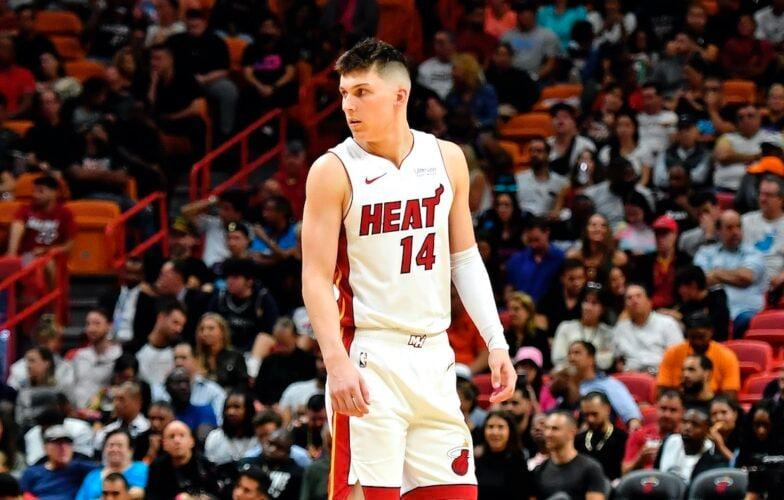
Tyler Herro: A Defining Moment in Miami’s Play-In Collapse
A Night That Captured Everything About Tyler Herro
For Tyler Herro, the Miami Heat’s narrow 127–126 overtime loss to the Charlotte Hornets was more than just a defeat—it was a snapshot of his career trajectory, strengths, and lingering questions.
In a high-pressure NBA Play-In Tournament matchup, Herro delivered 23 points and six assists, stepping into a larger offensive role when the team needed him most. Yet, the result—combined with key in-game developments—has intensified scrutiny around his long-term role with the Miami Heat.
This was not just another game. It was a turning point.
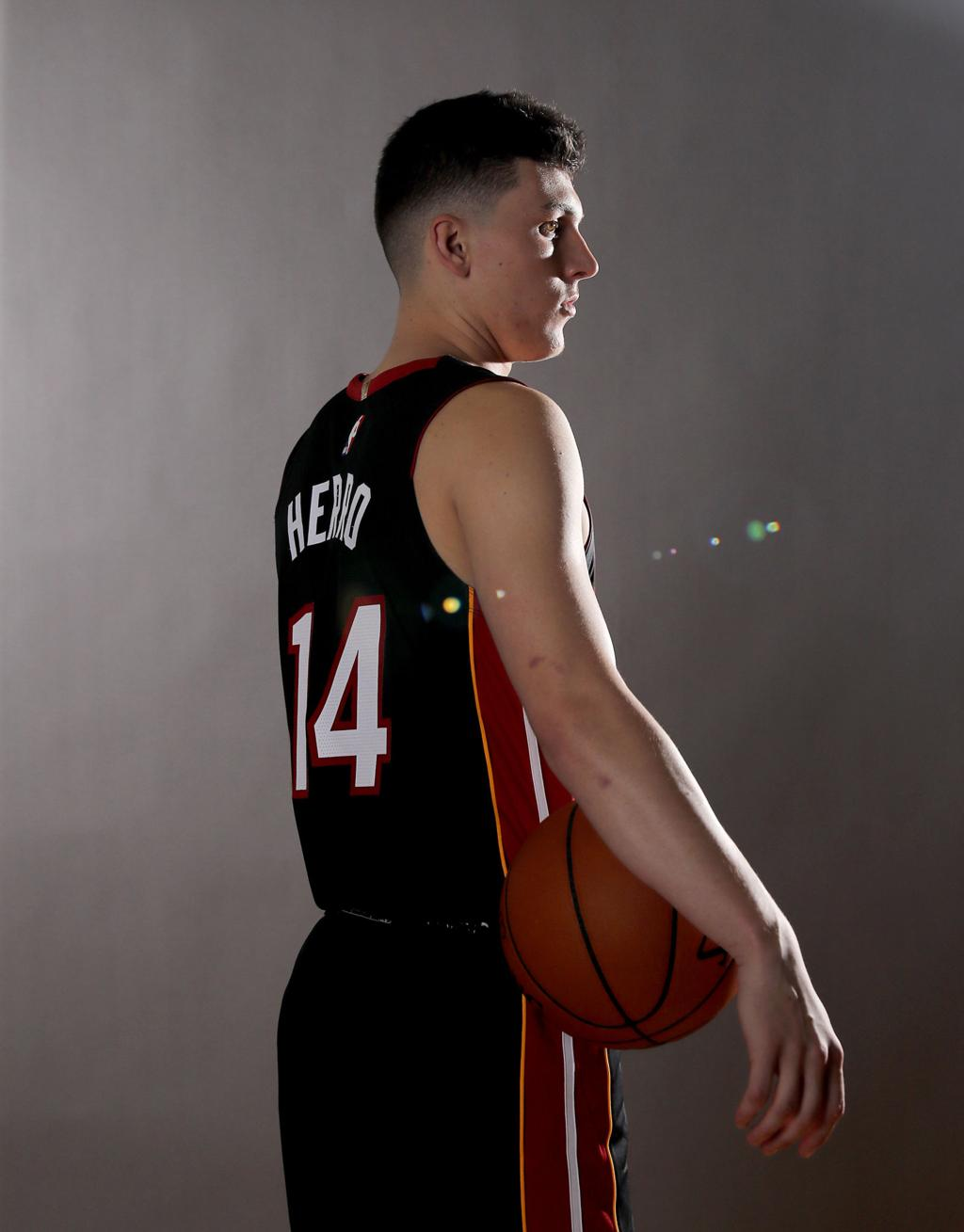
The Game Within the Game: Chaos, Controversy, and Collapse
The contest itself unfolded as a tightly contested battle, eventually stretching into overtime. Late-game heroics defined the outcome:
- A clutch three-pointer sequence forced overtime
- Momentum swung multiple times in the final minutes
- A game-winning layup from LaMelo Ball sealed Miami’s elimination
But the defining moment came much earlier—an incident involving Bam Adebayo.
Adebayo went down after a hard fall during the second quarter, later ruled out with a lower back injury. The sequence, involving contact from Ball, sparked immediate controversy and emotional reactions from Miami players and coaching staff.
Herro’s reaction after the game was direct and unfiltered:
“It was crazy – I’ve played with Bam for a long time and I usually never really see him limp like that… He can barely walk to the back and I saw the video, he fell really hard.”
“I mean we all know – it was not the right play.”
These comments reflected both concern for a teammate and frustration with how the game unfolded.
Carrying the Offensive Burden — But Not Enough
With Adebayo sidelined early, Herro’s responsibilities increased significantly. The Heat needed a primary scorer to stabilize the offense.
He responded with:
- 23 points on 7-of-18 shooting
- 6 assists
- Late-game shot creation under pressure
However, efficiency remained an issue. Miami’s offensive structure faltered in key stretches, particularly in crunch time. Herro managed moments of impact—such as drawing fouls and converting critical free throws late—but consistency proved elusive.
In isolation, his performance was solid. In context, it fell short of what is expected from a primary offensive engine.
The Bam Adebayo Factor: A Shift in Dynamics
The loss of Adebayo fundamentally changed the game.
Before his exit:
- Miami maintained interior balance
- Defensive structure remained intact
- Offensive spacing was more controlled
After his injury:
- Paint protection weakened
- Rebounding responsibility shifted
- Herro faced increased defensive attention
Adebayo’s absence not only altered tactical execution but also exposed the team’s dependency on his two-way presence. For Herro, it meant operating without a key partner who often alleviates offensive pressure.
A Defining Sequence: Herro’s Late Impact
Despite the broader inefficiencies, Herro still influenced the final moments.
In a crucial stretch:
- He converted three free throws after drawing a foul on a three-point attempt
- Sparked a rapid scoring run that briefly gave Miami the lead
- Forced Charlotte into defensive adjustments
This sequence underscored his value: composure under pressure, scoring versatility, and the ability to generate offense late in games.
Yet, it also highlighted a recurring theme—flashes of brilliance without sustained dominance.
The Efficiency Debate: Strength vs Limitation
Herro’s profile as a scorer is well established:
- Elite perimeter shooting mechanics
- Confidence in isolation situations
- Ability to create shots off the dribble
However, this game reinforced ongoing concerns:
1. Shot Efficiency
7-of-18 shooting reflects inconsistency, especially in high-leverage situations.
2. Impact Without Elite Support
When Adebayo exited, Herro struggled to elevate the entire offense.
3. Contract Expectations
As a high-earning player expected to approach top-tier salary levels, the expectation is not just production—but efficiency and leadership under pressure.
The performance raised a legitimate question:
Can Herro be the primary driver of a playoff-caliber offense?
Locker Room Reaction and Leadership Signals
Beyond statistics, Herro’s post-game comments revealed leadership traits.
He:
- Publicly defended a teammate
- Called out a controversial play
- Framed the moment as unacceptable within competitive standards
Meanwhile, head coach Erik Spoelstra echoed similar frustrations, arguing the play should have resulted in an ejection.
This alignment between player and coach indicates internal cohesion—but also shared frustration with how the season ended.
The Bigger Picture: What This Means for Tyler Herro
This loss carries broader implications beyond a single game.
1. The End of the Season
Miami’s elimination from the Play-In Tournament closes the chapter on a campaign defined by inconsistency and missed opportunities.
2. Questions About Role and Ceiling
Herro’s performance reinforces a perception:
- Effective as a secondary scorer
- Less reliable as a primary option in high-stakes scenarios
3. Trade and Future Speculation
There is increasing momentum around the idea that:
- A roster reconfiguration may be necessary
- Herro could benefit from a system where he is not the focal point
- Miami may prioritize acquiring a dominant star
Cultural and Competitive Implications
From a broader NBA perspective, this game illustrates several trends:
1. The Importance of Depth
Losing one key player—like Adebayo—can unravel an entire game plan.
2. The Role of Star Hierarchy
Teams built around a clear primary star tend to perform better in elimination scenarios.
3. The Margins of Modern Basketball
Late-game execution, officiating decisions, and single possessions increasingly determine outcomes.
Herro sits at the center of these dynamics—both benefiting from and challenged by them.
What Comes Next?
For Herro and the Miami Heat, the offseason becomes critical.
Key areas to monitor:
- Potential roster changes
- Contract decisions and long-term financial planning
- Role definition within a restructured offensive system
For Herro personally, the path forward likely involves:
- Improving efficiency
- Expanding playmaking consistency
- Adapting to either a lead or complementary role
Conclusion: A Career at a Crossroads
Tyler Herro’s performance in this Play-In loss encapsulated his current standing in the NBA: talented, confident, and capable of impactful moments—but still navigating the gap between potential and sustained elite production.
The game featured everything:
- Clutch scoring
- Emotional leadership
- Tactical challenges
- Lingering doubts
As Miami transitions into the offseason, Herro’s future—both with the franchise and within the league’s competitive hierarchy—remains one of the most compelling storylines to follow.


