


Trent Alexander-Arnold: Talent, Tension, and the Modern Full-Back Debate
A Defining Night in Munich
On April 15, 2026, at the Allianz Arena, Trent Alexander-Arnold found himself at the center of one of the most intense tactical and narrative battles of the UEFA Champions League season. Representing Real Madrid against Bayern Munich, the English full-back was heavily involved in a chaotic quarter-final second leg that ultimately ended in a 4–3 defeat on the night and a 6–4 aggregate elimination for Madrid.
The match itself was defined by constant momentum shifts, high technical quality, and moments of individual brilliance. Yet, amid the drama, Alexander-Arnold’s performance reignited one of football’s most persistent debates: how to balance creative output with defensive responsibility in the modern game.
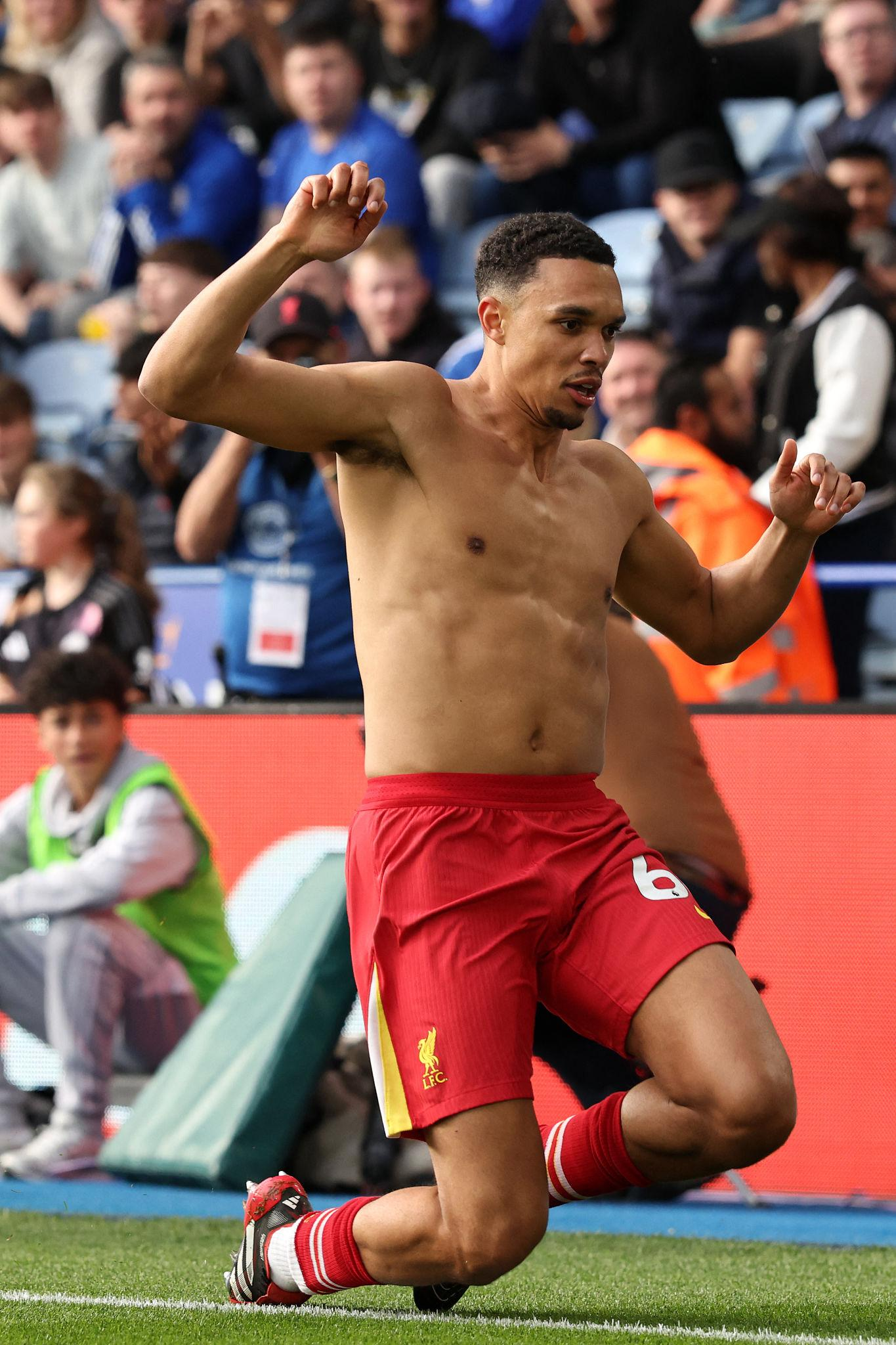
The Match Context: High Stakes, High Exposure
The quarter-final clash was not a routine fixture. It was a meeting of European heavyweights, with elite attacking talent on both sides, including Kylian Mbappé, Vinícius Júnior, and Bayern’s in-form forwards.
Alexander-Arnold was directly involved in several key sequences:
- He battled physically and tactically with Bayern players, including pressing duels for possession.
- He produced attacking contributions, including a dangerous drilled cross toward Mbappé that nearly changed the trajectory of the tie.
- At the same time, he was exposed defensively during critical moments, particularly in transitions and positional tracking.
The match reached a turning point when Eduardo Camavinga was sent off, shifting momentum decisively in Bayern’s favor. From that moment, defensive organization became even more crucial—an area where Madrid struggled collectively.
Performance Analysis: Creativity vs Defensive Liability
Attacking Contribution
Alexander-Arnold’s offensive profile remains among the most distinctive in world football. Against Bayern:
- He attempted progressive passes and crosses under pressure.
- He nearly delivered a decisive assist in a moment where the aggregate score was level.
- Observers noted “beautiful passes” that demonstrated his technical range.
This aligns with his long-established role as a playmaker from right-back—a hybrid function that blurs traditional positional boundaries.
Defensive Concerns
However, the defensive side of his performance drew significant scrutiny:
- He was described as “defensively poor on Bayern’s first two goals.”
- Criticism highlighted lapses in marking, positioning, and off-ball awareness.
- His inability to close down attackers in key moments contributed to high-quality chances for Bayern.
These criticisms are not isolated to this match. They reflect a broader perception that his defensive reliability does not match his attacking influence.
A Polarizing Figure in Modern Football
The discourse surrounding Alexander-Arnold extends beyond match ratings. It reflects a deeper ideological divide in football analysis.
One strand of opinion emphasizes his elite passing and creativity, positioning him as a generational talent redefining the right-back role.
Another perspective is more critical, arguing that:
- His defensive weaknesses undermine team stability.
- Technical brilliance cannot compensate for structural vulnerabilities at elite level.
This polarity has made him one of the most debated players in contemporary football.
Tactical Evolution: The Hybrid Full-Back Role
Alexander-Arnold’s career trajectory mirrors a broader tactical evolution in elite football:
Traditional Role
Historically, full-backs were primarily defensive players tasked with:
- Marking wingers
- Maintaining defensive shape
- Supporting limited attacking overlaps
Modern Interpretation
In contrast, Alexander-Arnold operates as:
- A deep-lying playmaker from wide areas
- A primary chance creator
- A transitional distributor
This evolution places additional demands on team structure:
- Midfielders must cover defensive gaps when he advances.
- Center-backs must adjust positioning to compensate for his movement.
- Coaches must balance attacking freedom with defensive discipline.
When these mechanisms fail—as seen against Bayern—the vulnerabilities become immediately visible.
Key Match Implications
The Bayern Munich defeat had several immediate consequences:
- Real Madrid were eliminated from the Champions League, ending their pursuit of another European title.
- The match reinforced concerns about defensive balance within the team.
- Individual performances, including Alexander-Arnold’s, came under intensified scrutiny.
Post-match reactions from Madrid figures emphasized frustration with officiating decisions and the impact of the red card, but the broader structural issues remained evident.
The Broader Career Narrative
Despite criticism, Alexander-Arnold’s profile remains elite:
- He is widely regarded as one of the most technically gifted defenders in football.
- His passing range and vision are comparable to central midfielders.
- He has consistently influenced high-level matches through creativity.
However, his long-term trajectory may depend on one of two developments:
1. Defensive Refinement
Improving positional awareness and defensive consistency would reduce criticism and elevate him toward complete-player status.
2. Positional Transition
There is increasing discussion about a potential shift into midfield, where:
- His passing ability could be maximized.
- His defensive exposure would be reduced.
What Comes Next
For Real Madrid and Alexander-Arnold, the immediate focus will shift to:
- Domestic competitions
- Tactical adjustments to improve balance
- Managing public and media expectations
The Champions League exit, particularly in such a high-profile tie, is likely to influence both tactical planning and squad evolution.
Conclusion: A Player at the Center of Football’s Evolution
Trent Alexander-Arnold represents a transitional figure in modern football. His performance against Bayern Munich encapsulated both sides of his identity:
- A technically exceptional creator capable of altering games
- A defender whose limitations can be exploited at the highest level
The debate around him is unlikely to fade. Instead, it will continue to shape how analysts, coaches, and fans interpret the role of full-backs in elite football.
Whether he ultimately redefines the position or is redefined by it remains an open question—but his influence on the game is already substantial.


