


Rachel Weisz Movies: A Career Defined by Range, Precision, and Critical Acclaim
Introduction: A Filmography Built on Versatility
Few contemporary actors have navigated blockbuster cinema and prestige drama with the same consistency as Rachel Weisz. From sweeping adventure epics to intimate character-driven stories, her filmography reflects a deliberate balance between mainstream appeal and artistic depth.
Over more than two decades, Weisz has established herself as a performer who gravitates toward complex roles—often portraying women with intellectual depth, emotional nuance, and moral ambiguity. Her body of work spans genres including historical drama, fantasy, psychological thriller, and literary adaptation, making her one of the most adaptable actresses of her generation.
Early Career and Breakthrough Roles
Rachel Weisz’s transition from stage to screen began in the mid-1990s, following early theater success during her time at Cambridge. Her early film appearances, including Stealing Beauty (1996), laid the groundwork for what would become a breakthrough moment in Hollywood.
That turning point came with The Mummy (1999), where she portrayed Evelyn Carnahan, a scholarly yet adventurous librarian. The film’s global success positioned her as a recognizable face in mainstream cinema and introduced audiences to her ability to blend intelligence with charisma.
She followed this with roles in Enemy at the Gates (2001) and About a Boy (2002), demonstrating early signs of her range across war drama and modern British comedy.
The Award-Winning Era: Critical Recognition and Prestige
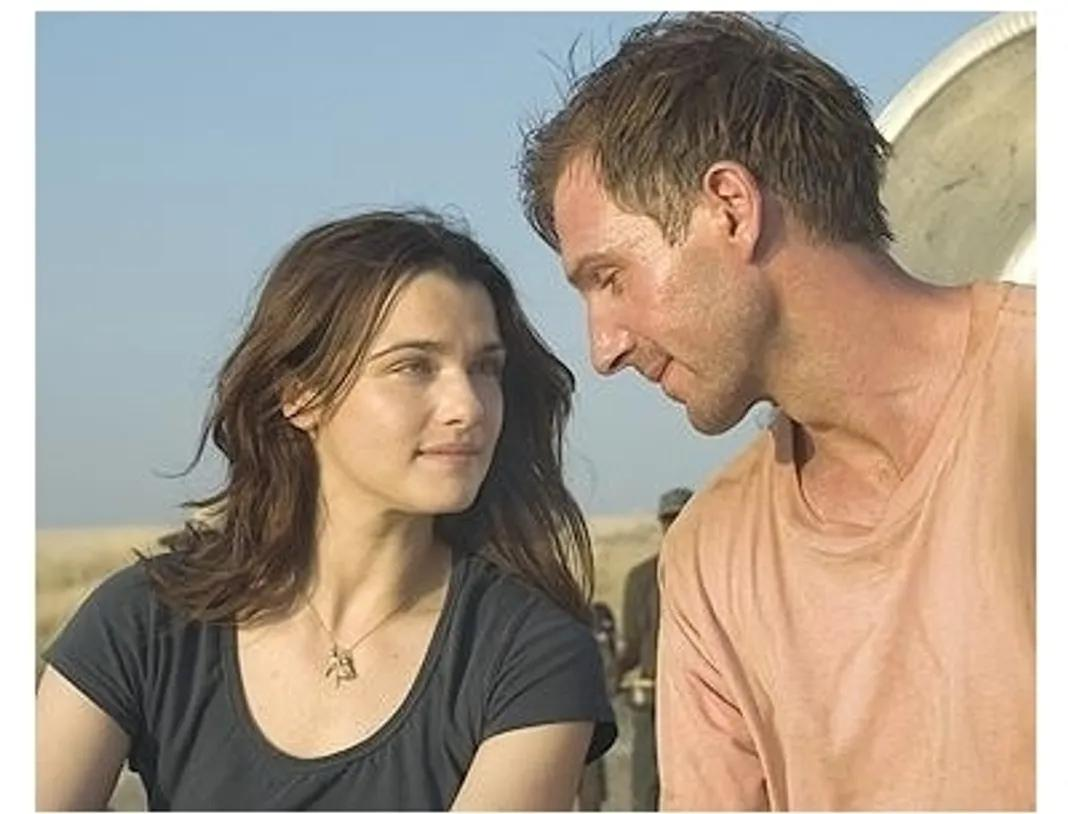
The defining moment of Weisz’s career came with The Constant Gardener. Her portrayal of Tessa Quayle earned her an Academy Award, Golden Globe, and Screen Actors Guild Award for Best Supporting Actress—solidifying her place among the industry’s elite performers.
This role marked a shift in her career trajectory. From this point onward, Weisz increasingly gravitated toward projects with strong political, emotional, or intellectual themes. Films like:
- The Shape of Things
- Constantine
showcased her ability to inhabit layered characters within both independent and commercial frameworks.
Expanding Range: From Literary Adaptations to Psychological Drama
Between 2010 and the late 2010s, Rachel Weisz built one of the most diverse film portfolios in modern cinema.
Key Performances During This Period
- The Lobster: A surreal dystopian drama where she played a restrained, emotionally guarded character navigating absurd social rules.
- Youth: A reflective drama exploring aging, art, and identity.
- Denial: A legal drama based on real events, where she portrayed historian Deborah Lipstadt in a high-stakes libel case.
- The Light Between Oceans: A morally complex narrative centered on loss and ethical dilemmas.
- Disobedience: A character-driven exploration of identity, religion, and personal freedom.
These films collectively highlight her preference for roles that demand psychological depth rather than surface-level performance.
The Favourite and Mainstream Renaissance
In 2018, Weisz delivered one of her most celebrated performances in The Favourite. Playing Lady Sarah Churchill, she brought sharp wit, political intelligence, and emotional restraint to a role that required precise tonal control.
The film itself became a major awards contender, reaffirming her ability to command attention even within ensemble casts.
During this period, she also appeared in:
- The Mercy
- My Cousin Rachel
Each project reinforced her reputation as an actress drawn to morally complex narratives.
Entry into Global Franchises
While known for her work in independent cinema, Rachel Weisz has also maintained a presence in major studio productions.
Her role as Melina Vostokoff in Black Widow introduced her to a new generation of audiences within the Marvel Cinematic Universe.
Unlike many franchise roles, her performance retained a grounded, character-focused approach—aligning with her broader career choices.
Recent Work and Evolving Screen Presence
In recent years, Weisz has expanded into television while maintaining her cinematic identity. Projects such as Dead Ringers saw her take on dual roles, showcasing technical precision and emotional range.
She also appears in the series Vladimir, where modern storytelling techniques like breaking the fourth wall are used to engage audiences directly—reflecting broader trends in contemporary screen narratives.
This phase of her career demonstrates a willingness to adapt to evolving storytelling formats while maintaining her established strengths.
Career Patterns: What Defines Rachel Weisz Movies?
Across her filmography, several consistent patterns emerge:
1. Intellectual Characters
Weisz frequently portrays academics, historians, or highly perceptive individuals, reinforcing a screen identity tied to intelligence and analytical thinking.
2. Moral Complexity
Many of her roles involve ethical dilemmas, particularly in films like The Constant Gardener and The Light Between Oceans.
3. Genre Fluidity
Her work spans:
- Adventure (The Mummy)
- Legal drama (Denial)
- Historical satire (The Favourite)
- Superhero action (Black Widow)
4. Awards Recognition
Her Academy Award win and multiple nominations across major institutions underscore the critical respect attached to her performances.
Cultural and Industry Impact
Rachel Weisz’s film choices reflect a broader shift in Hollywood toward female-led narratives with intellectual and emotional depth. Her willingness to alternate between independent films and global franchises positions her as a bridge between artistic cinema and commercial success.
Her performances often influence how female characters are written—moving away from stereotypes toward more layered, autonomous figures.
Future Outlook: What Comes Next?
With projects like Vladimir and continued involvement in high-quality productions, Rachel Weisz remains a relevant and evolving presence in the entertainment industry.
Her trajectory suggests a continued focus on:
- Complex, character-driven roles
- Adaptations of literary works
- Selective participation in large-scale productions
Rather than pursuing volume, her career emphasizes precision—choosing roles that contribute meaningfully to her overall body of work.
Conclusion: A Filmography Defined by Intent
Rachel Weisz’s movies are not defined by a single genre or era but by a consistent commitment to substance. From The Mummy to The Favourite, and from Denial to Black Widow, her performances reflect a deliberate approach to storytelling.
Her career illustrates how an actor can maintain both critical credibility and mainstream visibility without compromising on depth. In an industry often driven by trends, Rachel Weisz’s filmography stands out for its coherence, discipline, and lasting impact.


