


Pascal Struijk: A Modern Defender Shaped by Adaptability and Leadership
Introduction: The Rise of a Quiet Defensive Force
In modern football, where defenders are increasingly expected to combine technical intelligence with physical presence, Pascal Struijk has emerged as a compelling example of this evolution. Known for his composure under pressure and positional versatility, Struijk has become a central figure for Leeds United, contributing to both defensive stability and attacking transitions.
This analytical feature examines his journey, tactical profile, and growing influence within English football, while also considering what lies ahead for a player whose development reflects broader trends in the modern game.
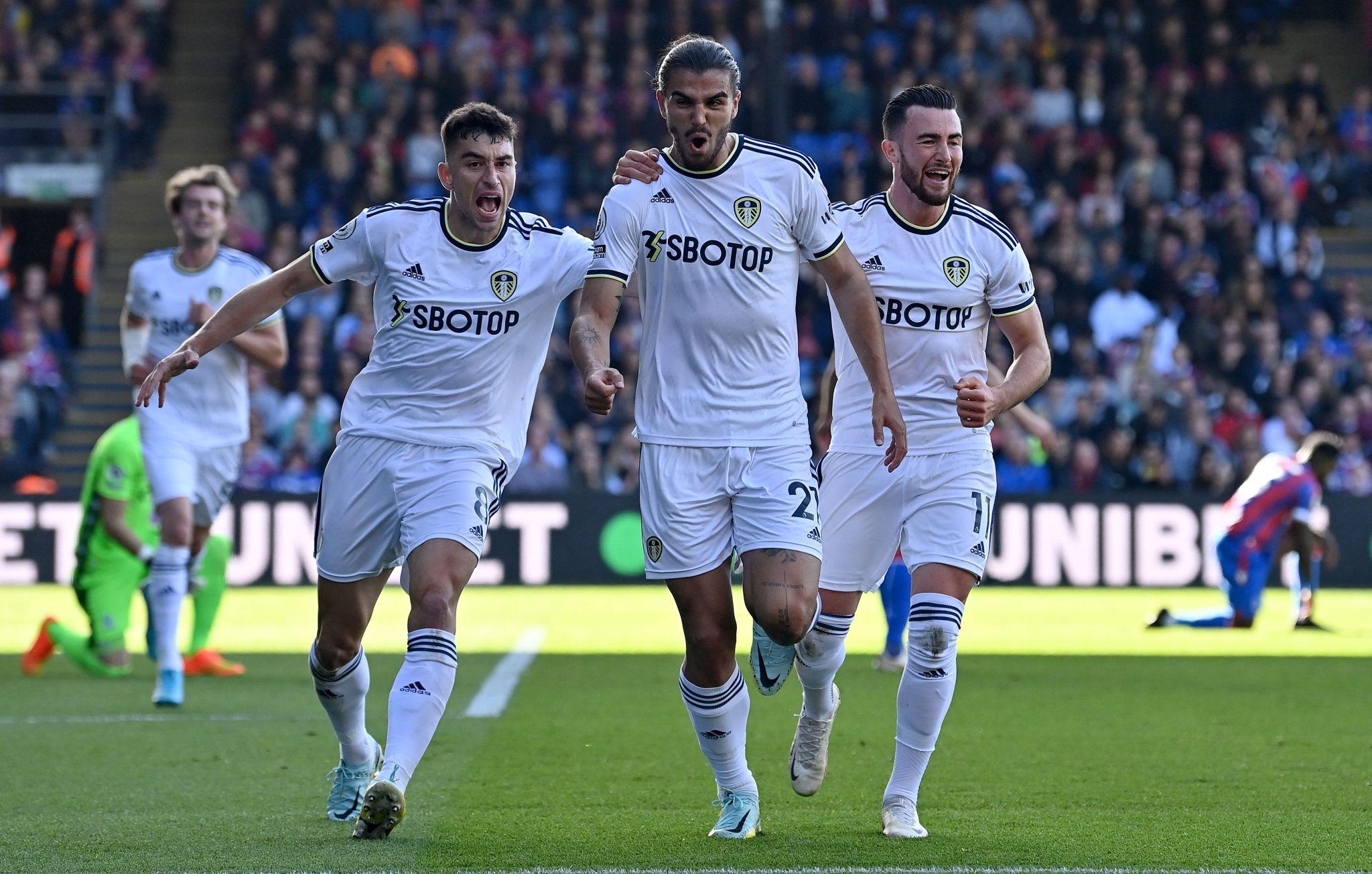
Early Foundations: From the Netherlands to England
Pascal Struijk was born on August 11, 1999, in Deurne, Belgium, but represents the Netherlands internationally at youth levels. His football education reflects a blend of continental discipline and English physicality.
He began his youth career in the Netherlands, progressing through structured academies that emphasize technical control and spatial awareness. This foundation would later prove critical when adapting to the intensity of English football.
His move to Leeds United marked a significant turning point. At the time, Leeds were rebuilding under ambitious leadership, offering Struijk a platform to transition from youth prospect to first-team contributor.
Breakthrough Under Tactical Demands
Struijk’s emergence coincided with the tenure of Marcelo Bielsa, one of the most tactically demanding coaches in world football. Bielsa’s system required defenders to operate with:
- High defensive lines
- Aggressive pressing responsibilities
- Ball-playing competence under pressure
Struijk adapted quickly. Initially deployed as a backup option, he soon became a reliable starter due to injuries and squad rotation. His performances demonstrated:
- Strong aerial dominance
- Calm distribution from the back
- Tactical discipline in high-risk systems
Unlike many young defenders, he showed minimal hesitation in possession—an attribute highly valued in Bielsa’s structure.
Tactical Profile: Versatility as a Core Strength
One of Struijk’s defining characteristics is positional flexibility. Over the course of his career, he has been deployed in multiple roles:
Central Defender (Primary Role)
- Strong in aerial duels
- Reads the game effectively
- Maintains composure under pressing
Left-Back (Secondary Role)
- Offers defensive stability rather than attacking flair
- Provides structural balance in defensive transitions
Defensive Midfield (Occasional Role)
- Capable of screening the defense
- Distributes efficiently in buildup phases
This versatility has made him a valuable asset, particularly in squads dealing with injuries or tactical adjustments.
Statistical Contributions and Match Impact
Struijk’s influence is not limited to defensive actions. His contributions extend into key match moments:
- Important goals, particularly from set-pieces
- High pass completion rates in defensive zones
- Consistent interception and clearance metrics
While not always the most visible player on the pitch, his reliability has made him a cornerstone in maintaining team structure.
Leadership Development and Mental Attributes
Beyond technical ability, Struijk’s psychological profile has drawn attention. He is often described as:
- Calm under pressure
- Positionally disciplined
- Team-oriented rather than individually expressive
As Leeds navigated both Premier League and Championship challenges, his role evolved from squad player to leadership figure. He has occasionally worn the captain’s armband, signaling trust from coaching staff.
This transition reflects a broader trend in football, where leadership is increasingly tied to consistency and decision-making rather than seniority alone.
Challenges and Setbacks
Struijk’s career has not been without obstacles. Leeds United’s fluctuating form, including relegation battles and managerial changes, created an unstable environment.
These conditions tested his adaptability:
- Adjusting to different tactical systems
- Maintaining performance consistency during team struggles
- Handling increased responsibility at a young age
Despite these challenges, he has largely maintained his standing within the squad, suggesting resilience and professional maturity.
Broader Context: The Modern Centre-Back Evolution
Struijk’s profile aligns closely with the modern expectations of central defenders:
- Ball progression from deep positions
- Tactical awareness in high-press systems
- Ability to switch roles seamlessly
His development reflects a shift away from purely physical defenders toward more complete footballers capable of influencing multiple phases of play.
This trend is evident across top European leagues, where defenders are now integral to build-up play rather than simply defensive specialists.
Future Outlook: What Comes Next?
Looking ahead, several pathways are plausible for Struijk:
Continued Growth at Leeds United
If the club stabilizes competitively, he could become a long-term defensive leader and foundational player.
Potential Transfer Interest
Given his age and versatility, he may attract attention from clubs seeking reliable, system-compatible defenders.
International Prospects
While he has represented the Netherlands at youth levels, senior international opportunities could emerge with sustained club performances.
Conclusion: A Career Built on Structure and Intelligence
Pascal Struijk’s career trajectory illustrates the value of adaptability in modern football. He is not defined by flamboyance or headline-grabbing performances, but by structural reliability, tactical intelligence, and steady progression.
In an era where consistency is often undervalued, Struijk represents a different model of success—one built on discipline, versatility, and incremental growth. His continued development will likely depend on both club stability and his ability to refine the technical aspects that already distinguish his game.


