

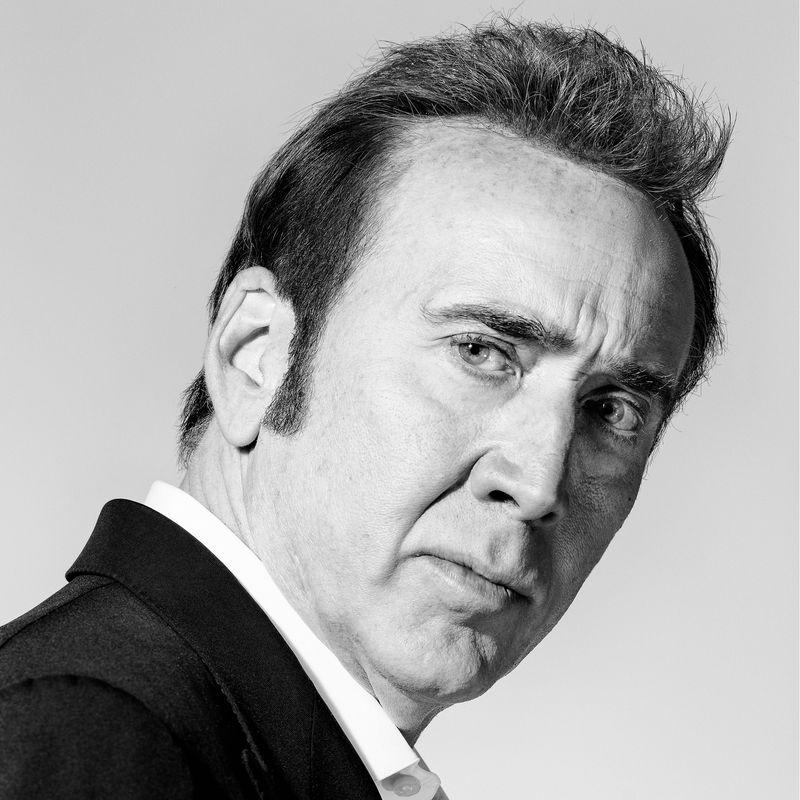
Nicolas Cage: Reinvention, Risk, and the Art of Staying Unpredictable
A Career Defined by Constant Transformation
Few actors in modern cinema have sustained relevance across as many decades—and as many tonal extremes—as Nicolas Cage. From Oscar-winning dramatic performances to cult action classics and experimental indie projects, Cage’s career has evolved into something that defies conventional categorization.
In 2026, that unpredictability remains his defining strength. With a major long-awaited sequel in development and a bold move into television through a high-profile superhero series, Cage is once again at the center of industry attention—not as a legacy figure, but as an active force shaping contemporary storytelling.
From Hollywood Legacy to Independent Identity
Born Nicolas Kim Coppola, Cage famously distanced himself from his family’s cinematic legacy—most notably his uncle, Francis Ford Coppola—by adopting a new stage name early in his career.
This decision set the tone for what would follow: a career built on risk-taking rather than inherited prestige.
Throughout the late 1980s and 1990s, Cage emerged as one of Hollywood’s most distinctive actors, blending intensity with eccentricity. His performances in films like Leaving Las Vegas—which earned him an Academy Award—cemented his reputation as a serious dramatic talent. At the same time, blockbuster hits such as Face/Off and National Treasure positioned him as a bankable star.
Yet even at the height of commercial success, Cage resisted typecasting. That resistance would later become the foundation of his longevity.
The Cult Phase and Critical Reappraisal
In the 2000s and early 2010s, Cage’s career entered a phase often described as erratic. A high volume of releases, including direct-to-video projects, led to mixed critical reception.
However, this period has since undergone reevaluation. What once appeared inconsistent is now seen as a deliberate exploration of performance boundaries—what many critics refer to as “Cage Rage,” a unique acting style blending emotional volatility with theatrical exaggeration.
By the late 2010s and early 2020s, Cage experienced a resurgence. Films like Mandy, Pig, and The Unbearable Weight of Massive Talent reframed him as an artist willing to experiment rather than conform. The industry—and audiences—began to recognize that Cage had never truly lost direction; he had simply chosen a different path.
A Sequel Two Decades in the Making
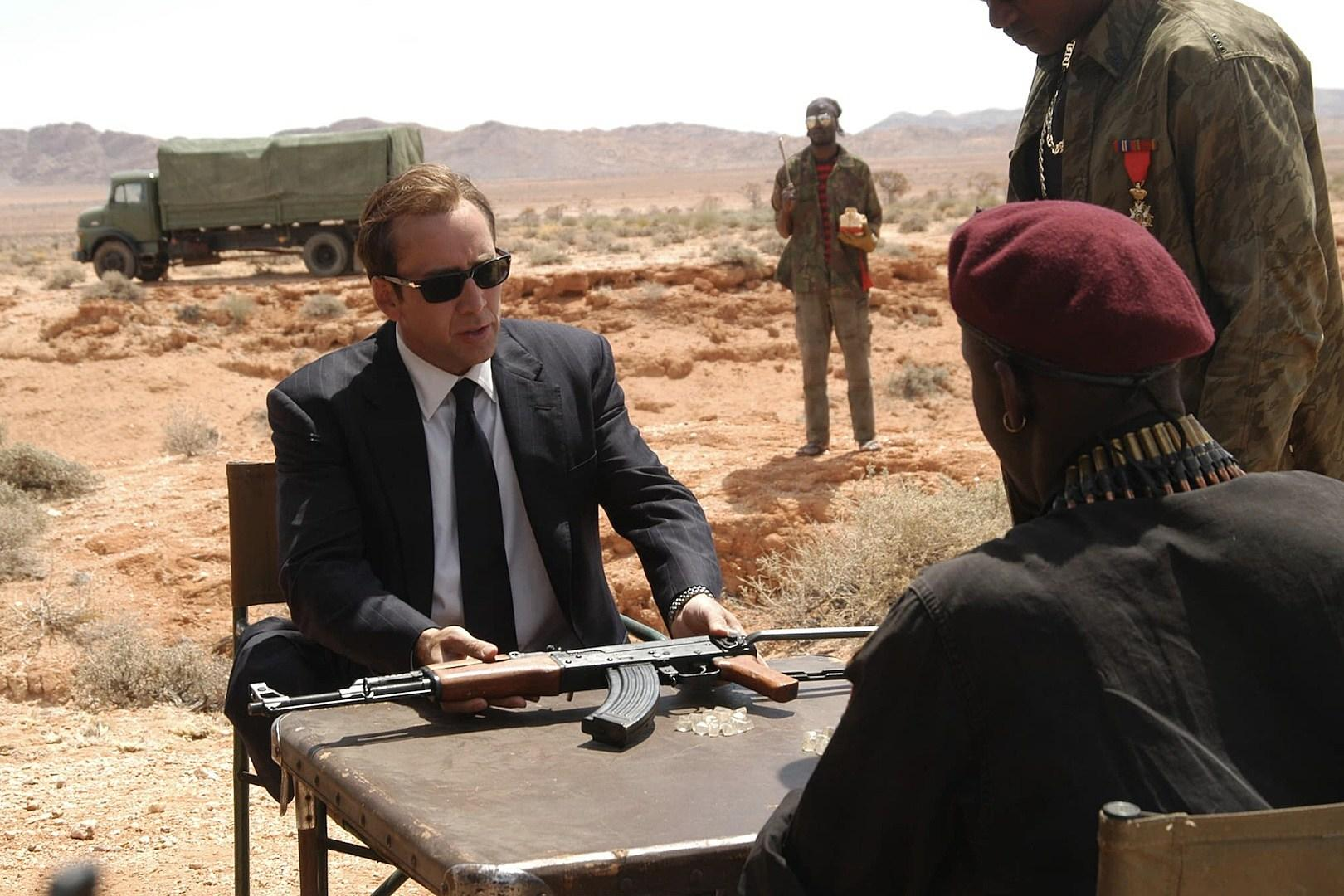
One of the most significant developments in Cage’s current career is the return to a role that defined one of his most compelling performances: Yuri Orlov from Lord of War.
The upcoming sequel, Lords of War, arrives more than 20 years after the original film’s release. Directed once again by Andrew Niccol, the project represents a continuation of the original’s morally complex exploration of the global arms trade.
Production reportedly took place between late 2025 and early 2026, with a theatrical release planned for 2027. The film’s narrative introduces a generational conflict, shifting focus toward Yuri’s estranged son, Anton—played by Bill Skarsgård.
This evolution transforms the story from a character study into a broader examination of legacy, power, and consequence. Early indications suggest a darker, more politically charged tone, with an emphasis on family dynamics within a global conflict framework.
The creative continuity—particularly Niccol’s return—signals a commitment to preserving the original film’s intellectual sharpness rather than simply capitalizing on nostalgia.
Entering Television: A Strategic Shift
While Cage has long been associated with cinema, 2026 marks a pivotal shift: his first leading role in a television series.
In Spider-Noir, a live-action adaptation set in 1930s New York, Cage portrays Ben Reilly—a private investigator grappling with his past as a former superhero. The series blends noir detective storytelling with superhero mythology, offering a tonal departure from traditional comic adaptations.
The show’s visual approach—available in both full color and black-and-white—underscores its stylistic ambition. Developed by Oren Uziel and Steve Lightfoot, and supported by the creative team behind Spider-Man: Into the Spider-Verse, the project aims to expand the boundaries of Marvel storytelling.
For Cage, the move into television is less about diversification and more about scale. Streaming platforms now offer the kind of narrative depth and creative freedom previously reserved for cinema, making this transition both strategic and timely.
The Nicolas Cage Method: Between Chaos and Control
What distinguishes Cage from his peers is not simply the range of roles he has taken, but the methodology behind them.
His acting style often incorporates:
- heightened emotional expression
- unpredictable tonal shifts
- a willingness to push scenes beyond naturalism
While this approach has sometimes divided audiences, it has also created performances that are difficult to replicate. Cage operates in a space where risk is not avoided but embraced.
This philosophy aligns with his project choices. Whether starring in independent films, large-scale productions, or experimental narratives, Cage consistently prioritizes originality over safety.
Cultural Impact and Industry Influence
Cage’s influence extends beyond his filmography. Over time, he has become a cultural reference point—frequently cited in discussions about unconventional acting, meme culture, and the evolving definition of stardom.
Importantly, his career challenges traditional industry assumptions:
- That consistency is required for longevity
- That mainstream success must follow a linear trajectory
- That actors should remain within defined genres
Instead, Cage demonstrates that reinvention can be continuous rather than periodic.
What Comes Next?
Looking ahead, Cage’s trajectory suggests continued unpredictability. The release of Lords of War in 2027 will test whether long-awaited sequels can meet modern expectations while maintaining thematic depth.
At the same time, Spider-Noir positions him within a rapidly evolving streaming landscape, where character-driven storytelling is increasingly dominant.
If recent years are any indication, Cage is unlikely to settle into a fixed pattern. His career remains dynamic, shaped by curiosity rather than convention.
Conclusion: A Career That Refuses Definition
Nicolas Cage’s career cannot be reduced to a single narrative. It is a collection of reinventions—some widely celebrated, others misunderstood, but all intentional.
In an industry often driven by predictability, Cage stands as an anomaly. His current projects—ranging from a politically charged sequel to a stylized television series—reflect a performer still actively redefining his craft.
Rather than fading into legacy status, he continues to expand it.


