

Narges Rashidi Movies and TV Shows: The Career Behind Prisoner 951 and a Rising Global Spotlight
From International Cinema to Award-Winning Television
Iranian-German actress Narges Rashidi has steadily built a reputation as one of the most compelling performers working across international film and television. Known for emotionally intense roles, multilingual performances, and fearless storytelling choices, Rashidi’s career has recently reached a new milestone following her acclaimed portrayal of Nazanin Zaghari-Ratcliffe in the BBC drama Prisoner 951.
At the 2026 BAFTA TV Awards, Rashidi received widespread recognition after winning the Leading Actress award for the role, a performance many critics described as deeply human and emotionally devastating.
Her growing visibility has sparked renewed interest in Narges Rashidi movies and TV shows, with audiences revisiting her earlier work in psychological horror, political drama, and international television productions.
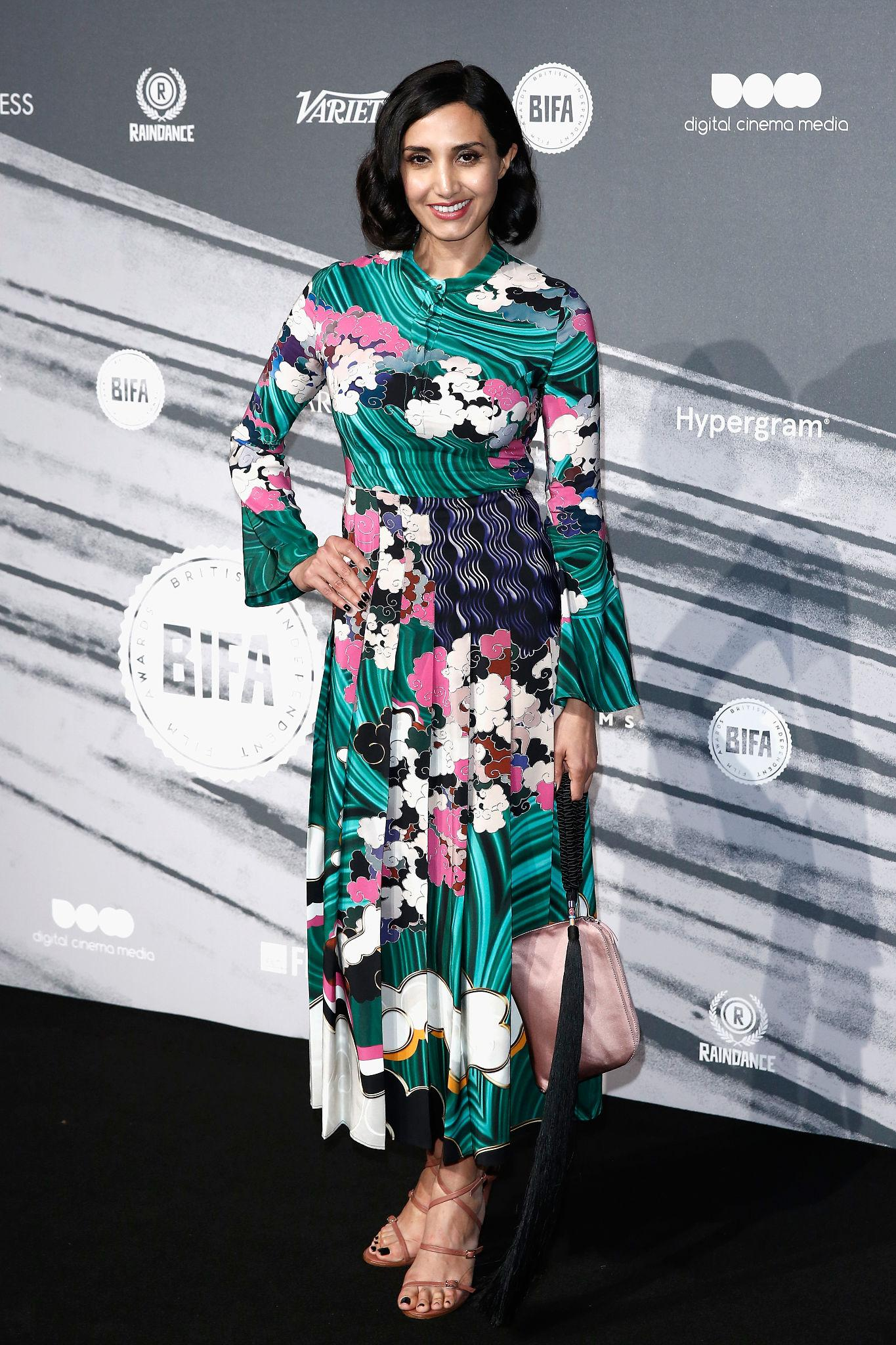
The Performance That Changed Everything: Prisoner 951
The BBC drama Prisoner 951 became one of the defining television productions of 2026. The four-part series tells the true story of British-Iranian charity worker Nazanin Zaghari-Ratcliffe, who was arrested in Iran on spying charges and imprisoned for six years while her husband campaigned for her release.
Rashidi portrayed Nazanin with remarkable emotional depth, capturing both the psychological trauma and resilience of a woman trapped inside Iran’s notorious Evin prison. Joseph Fiennes starred opposite her as Richard Ratcliffe, Nazanin’s husband, whose international advocacy campaign became central to the real-life story.
The series explored:
- political tensions between Iran and the United Kingdom,
- the emotional toll of wrongful imprisonment,
- family separation,
- and the human cost of geopolitical conflict.
According to the series description, the production was based on Nazanin’s upcoming book A Yard of Sky, co-written with Richard Ratcliffe.
Critics praised Rashidi’s ability to balance vulnerability with determination. Scenes depicting isolation, interrogation, and emotional collapse were contrasted with flashbacks of family life, making the performance particularly affecting. The emotional realism of the series was widely credited to Rashidi’s nuanced acting approach.
BAFTA Recognition and Industry Momentum
Rashidi’s performance in Prisoner 951 positioned her among the strongest television actors of the year.
At the 2026 BAFTA TV Awards, she competed in the Leading Actress category alongside:
- Aimee Lou Wood (Film Club)
- Erin Doherty (A Thousand Blows)
- Jodie Whittaker (Toxic Town)
- Sheridan Smith (I Fought the Law)
- Sian Brooke (Blue Lights)
The nomination alone marked a major achievement, but her eventual BAFTA victory significantly elevated her international profile. The Royal Television Society Awards also recognized Rashidi with the Leading Actor – Female award for Prisoner 951.
The success of the drama also reflected broader trends in television:
- audiences increasingly embracing international stories,
- streaming services prioritizing global narratives,
- and growing demand for politically grounded human dramas.
A Look at Narges Rashidi’s Most Notable Movies
Under the Shadow (2016)
One of Rashidi’s most internationally recognized film performances came in the critically acclaimed horror film Under the Shadow.
Set in 1980s Tehran during the Iran-Iraq War, the movie follows a mother and daughter haunted by both supernatural forces and the trauma of war. Rashidi played Shideh, a former medical student struggling with political repression, motherhood, and fear during missile attacks.
The film became a landmark in psychological horror cinema because it blended:
- supernatural storytelling,
- political commentary,
- and social criticism.
Critics praised Rashidi’s performance for grounding the horror elements in emotional realism. Her portrayal helped the film earn international awards attention and strong festival reception.
Many viewers still consider Under the Shadow her breakout role.
Gangs of London (TV Series)
Rashidi later appeared in the hit action-crime television series Gangs of London, a production known for its brutal action sequences and layered criminal underworld storytelling.
The series expanded her visibility among mainstream international audiences and demonstrated her versatility outside dramatic arthouse cinema.
Tehran (TV Series)
Rashidi also appeared in the espionage thriller Tehran, a series centered around intelligence operations, surveillance, and political conflict involving Iran and Israel.
The show gained global popularity for its tense storytelling and geopolitical themes, areas that Rashidi has frequently explored throughout her career.
Charlie Says (2018)
In the drama Charlie Says, Rashidi joined a cast examining the aftermath of the Charles Manson murders. The film explored manipulation, trauma, and cult psychology.
Her appearance reinforced her reputation for selecting psychologically demanding projects rather than conventional commercial roles.
The Allegation and Independent Cinema
Before wider international fame, Rashidi appeared in several independent and European productions, building experience across German-language cinema and politically charged dramas.
Her early career often focused on:
- immigrant experiences,
- identity conflicts,
- women navigating oppressive systems,
- and emotionally complex characters.
These themes would later become defining elements of her screen persona.
Why Narges Rashidi’s Roles Stand Out
Emotional Intensity
Rashidi’s performances are often characterized by emotional restraint rather than theatrical expression. Instead of exaggerated drama, she frequently communicates fear, grief, or anger through subtle gestures and silence.
That approach was especially visible in Prisoner 951, where much of the character’s suffering unfolded internally.
Cross-Cultural Storytelling
As an actress working across multiple languages and production industries, Rashidi occupies a unique space in modern entertainment.
Her projects often bridge:
- Middle Eastern narratives,
- European cinema,
- British television,
- and international streaming audiences.
This cross-cultural presence has become increasingly valuable as global entertainment markets continue expanding.
Choosing Politically Relevant Stories
A recurring pattern throughout Rashidi’s filmography is her involvement in stories connected to:
- war,
- authoritarianism,
- displacement,
- surveillance,
- identity,
- and human rights.
Rather than avoiding difficult subject matter, her career has consistently moved toward challenging narratives.
That makes her performances resonate strongly in an era when audiences increasingly seek socially meaningful entertainment.
The Cultural Impact of Prisoner 951
The success of Prisoner 951 extended beyond television awards.
The drama reopened international discussions around:
- wrongful detention,
- dual citizenship disputes,
- political prisoners,
- and the emotional consequences of diplomatic conflict.
Viewers responded strongly to the human dimension of the story, particularly the portrayal of separation between Nazanin and her daughter Gabriella.
Social media reactions following Rashidi’s BAFTA win reflected both admiration for her performance and broader conversations about Iranian politics and human rights.
What Could Be Next for Narges Rashidi?
Following major awards recognition, Rashidi appears positioned for a new phase in her career.
Industry observers increasingly expect her to:
- headline larger international productions,
- secure more streaming platform roles,
- and continue working in prestige television and cinema.
Given her track record, future projects will likely continue focusing on layered human stories rather than formulaic blockbuster entertainment.
Her success also represents a broader shift within the entertainment industry toward more globally diverse storytelling and increased visibility for Middle Eastern performers.
Conclusion
Narges Rashidi’s career reflects the evolution of modern international acting careers — crossing languages, genres, and cultures while remaining deeply rooted in emotionally authentic storytelling.
From the haunting psychological horror of Under the Shadow to the heartbreaking realism of Prisoner 951, Rashidi has built a body of work defined by intensity, intelligence, and social relevance.
Her award-winning portrayal of Nazanin Zaghari-Ratcliffe has now introduced her to an even wider audience, but it also highlights something long evident throughout her filmography: Narges Rashidi consistently chooses stories that matter.
As global audiences continue searching for powerful, human-centered storytelling, her work is likely to remain increasingly important in film and television for years to come.


