

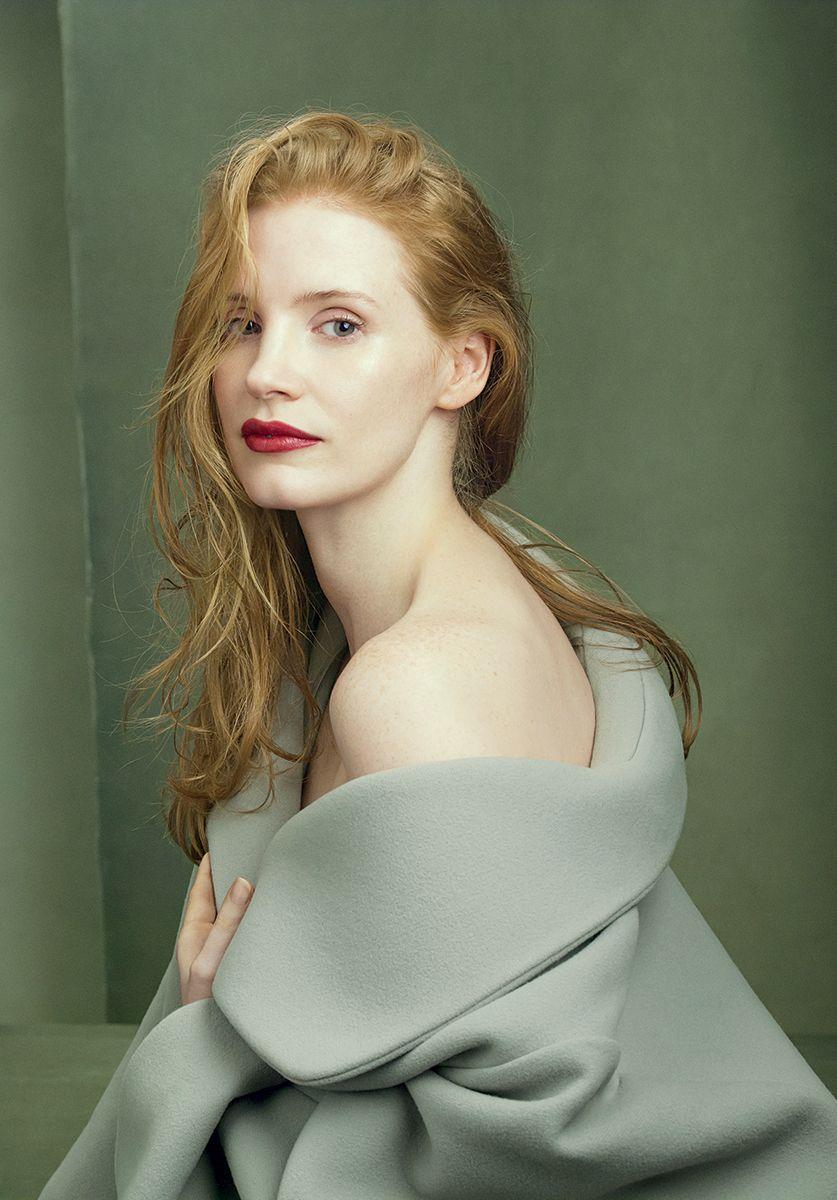
Jessica Chastain: A Career Defined by Precision, Power, and Timely Relevance
Few contemporary actors have built a career as deliberate and politically resonant as Jessica Chastain. Known for her intense performances, sharp project selection, and outspoken advocacy, Chastain remains a consistent presence in both awards circuits and public discourse. In 2026, renewed attention around her delayed Apple TV+ series The Savant has once again positioned her at the center of a broader cultural conversation—one that intersects entertainment, politics, and societal anxiety.
A Career That Prioritizes Substance Over Visibility
Born Jessica Michelle Chastain on March 24, 1977, in Sacramento, California, she is now 49 years old. Her early trajectory did not follow the typical rapid ascent associated with Hollywood. Instead, she spent years refining her craft, studying at the prestigious Juilliard School, before breaking through in the early 2010s.
Her rise was unusually concentrated. In 2011 alone, she appeared in multiple critically acclaimed films, including The Tree of Life and The Help. This momentum culminated in an Academy Award win for Best Actress for her performance in The Eyes of Tammy Faye (2021), a role that required both physical transformation and psychological nuance.
Chastain’s filmography consistently leans toward character-driven narratives—projects that often explore power dynamics, identity, and moral ambiguity. Films like Zero Dark Thirty, Miss Sloane, and Molly’s Game reinforced her reputation as an actor drawn to complex, often controversial material.
The Savant: A Project Delayed by Reality, Now Returning to It
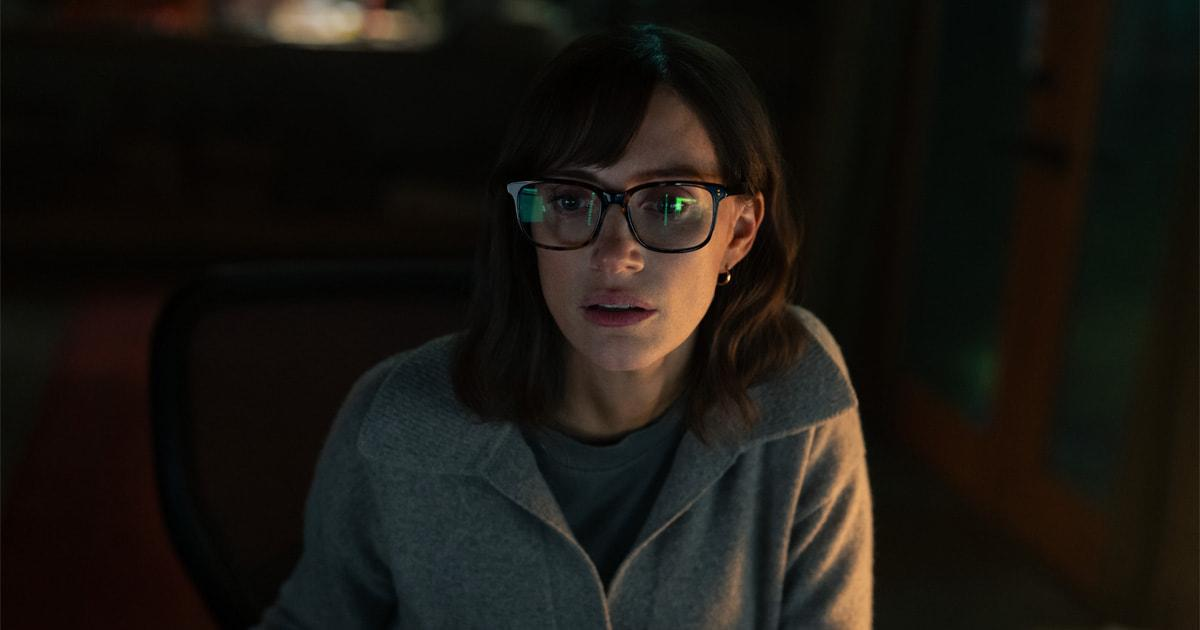
The most immediate driver of current search interest around Chastain is her Apple TV+ series The Savant. The show, a political thriller centered on domestic extremism, was originally scheduled for release in September 2025. However, its launch was abruptly postponed following the assassination of political commentator Charlie Kirk—an event that made the series’ themes uncomfortably proximate to real-world violence.
At the time, the streaming platform opted to delay the release due to the prevailing political climate. Chastain, who not only stars in but also executive produces the series, publicly disagreed with the decision.
She stated:
“I’ve never shied away from difficult subjects, and while I wish this show wasn’t so relevant, unfortunately it is.”
Now, in April 2026, the situation has shifted. Chastain confirmed that the series will move forward, with a likely release window in mid-2026.
The premise remains intact: an undercover investigator infiltrates online hate groups to prevent acts of domestic terrorism. The narrative is not fictional in spirit—it draws from real-world patterns of radicalization and counterterrorism efforts.
The delay itself became part of the story. It highlighted how entertainment can be directly affected by geopolitical events, and how timing can alter public reception. The show’s eventual release is now positioned less as routine programming and more as a test case for how media engages with politically sensitive subject matter.
Navigating Controversy Without Dilution
The Savant has not been free from criticism. Even before its postponement, early reactions to its trailer were polarized. Some viewers argued that the show risked normalizing surveillance culture or oversimplifying complex political realities.
Chastain’s response has been consistent: confrontation over avoidance.
Her public statements frame the project as a reflection of an ongoing societal problem rather than an endorsement of any particular ideology. She has referenced a series of violent incidents in the United States over recent years, arguing that the show’s themes are grounded in observable patterns rather than speculation.
This positioning aligns with her broader career strategy. Chastain rarely selects roles that are politically neutral. Instead, she gravitates toward narratives that provoke discomfort or require ethical engagement.
Personal Life and Business Strategy
Away from the screen, Chastain maintains a relatively controlled public profile. She is married to Gian Luca Passi de Preposulo, an executive in the luxury fashion industry. The couple has children, though she keeps details about her family life largely private.
Financially, Chastain’s net worth is estimated in the tens of millions, driven not only by acting salaries but also by production ventures and strategic endorsements. She founded her own production company, Freckle Films, with a clear mandate: increase female representation both in front of and behind the camera.
This is not a symbolic effort. Several of her projects have been developed specifically to address gender imbalance in Hollywood casting and storytelling. It reflects a broader shift where leading actors leverage production control to shape industry standards rather than simply participate in them.
Cultural Impact: Beyond Awards and Box Office
Chastain’s influence extends beyond film metrics. She has become a reference point in discussions about gender parity, pay equity, and the portrayal of women in positions of authority.
Her roles often share a structural similarity: women operating within systems traditionally dominated by men—politics, intelligence, corporate power. These portrayals are not incidental; they contribute to a gradual recalibration of audience expectations.
Public perception of Chastain is defined by consistency. She is not associated with volatility or frequent controversy unrelated to her work. Instead, her reputation is built on discipline, selectivity, and a willingness to engage with difficult themes.
Lesser-Known Details That Shape the Narrative
Several aspects of Chastain’s career trajectory are less widely discussed but relevant:
- She struggled for years before achieving mainstream recognition, working in theater and smaller television roles.
- Her Juilliard education was funded in part by a scholarship supported by actor Robin Williams.
- She has publicly advocated for transparency in salary negotiations, particularly for female actors.
- Unlike many contemporaries, she has avoided franchise-heavy roles, choosing instead to prioritize standalone, character-driven films.
These details reinforce a pattern: long-term positioning over short-term visibility.
A Career Aligned With the Moment
The renewed focus on Jessica Chastain is not incidental. It reflects a convergence of factors:
- A high-profile project (The Savant) returning after a politically sensitive delay
- Ongoing public discourse around extremism and media responsibility
- Continued interest in actors who actively shape the narratives they participate in
Chastain’s career operates at this intersection. She is not simply responding to trends; she is often positioned within them, sometimes ahead of them.
The upcoming release of The Savant will likely test whether audiences are prepared to engage with its themes in the current climate. Regardless of reception, it reinforces a central characteristic of her work: relevance is not incidental—it is engineered.


