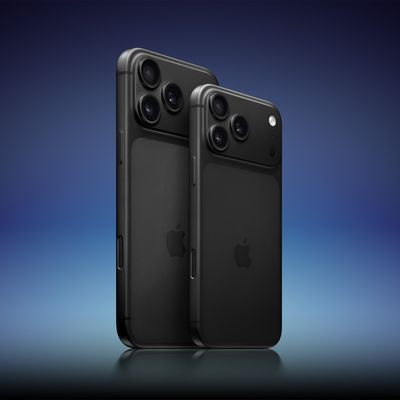
A New Chapter in Apple’s Premium Smartphone Strategy
As anticipation builds toward Apple’s expected September 2026 launch event, the iPhone 18 Pro is rapidly emerging as one of the most talked-about smartphones in development. A steady stream of leaks has painted a picture of a device that blends familiar design language with targeted upgrades—particularly in camera technology, aesthetics, and hardware performance.
Rather than a radical reinvention, the iPhone 18 Pro appears to represent a calculated evolution—one that focuses on refining the user experience while addressing long-standing limitations.
Design Evolution: Subtle Changes, Noticeable Impact
At first glance, the iPhone 18 Pro may not look dramatically different from its predecessor. However, closer inspection reveals key physical changes that could significantly affect usability and performance.
Leaked dummy units suggest that the device will feature a thicker camera module, with the “black glass on the cameras protrudes a bit more,” indicating a more advanced imaging system.
This change contributes to a slight increase in overall thickness:
- iPhone 17 Pro Max thickness (with camera bump): 12.92mm
- iPhone 18 Pro Max expected thickness: 13.77mm
The added bulk is not without purpose. Reports indicate that Apple may be incorporating a larger battery—potentially reaching 5,100–5,200mAh, which would be the largest ever in an iPhone.
This aligns with Apple’s ongoing effort to balance performance, camera enhancements, and battery longevity in its Pro lineup.
The Color Story: Dark Cherry Takes Center Stage
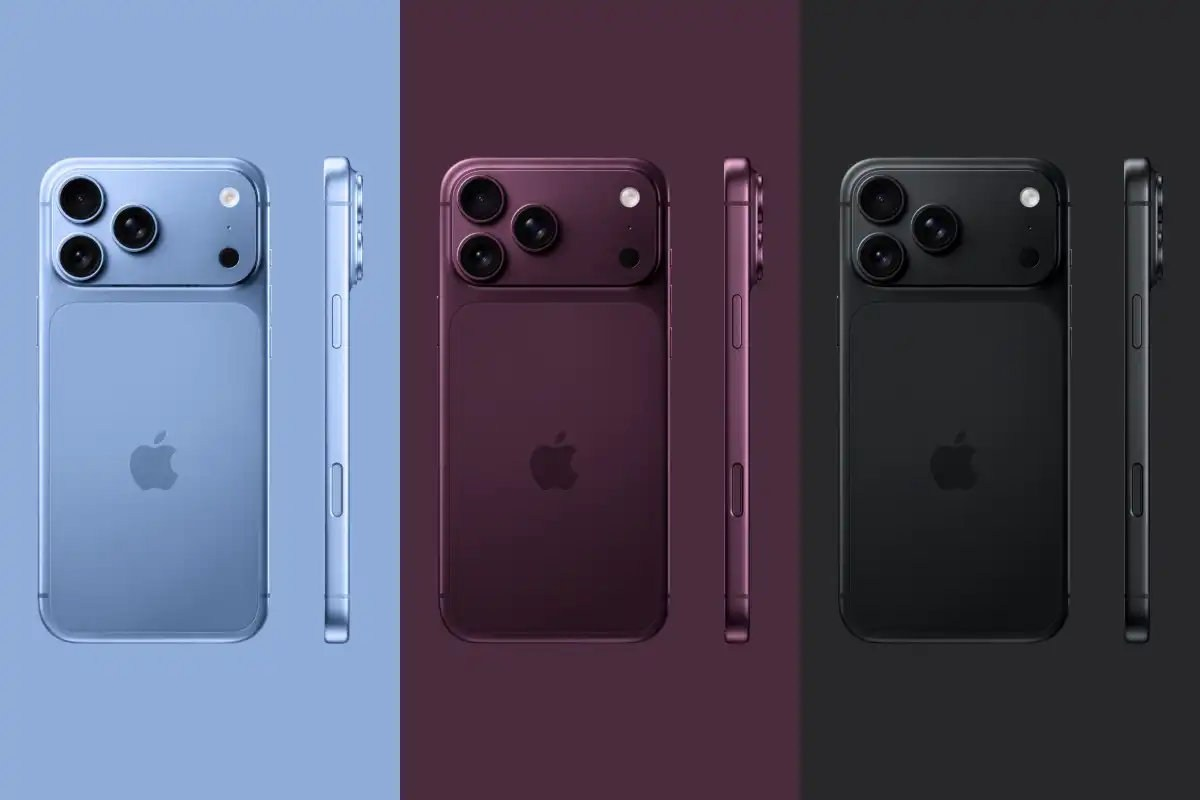
One of the most visually striking developments is Apple’s new color strategy. The iPhone 18 Pro is expected to launch in four finishes:
- Dark Cherry
- Light Blue
- Dark Gray
- Silver
Among these, Dark Cherry stands out as the flagship “hero” color—replacing the bold Cosmic Orange seen in the iPhone 17 Pro series.
Described as a “red wine color,” Dark Cherry blends tones of burgundy, coffee, and deep purple, offering a more refined and subdued aesthetic compared to its predecessor. This shift signals Apple’s move toward a more mature, premium visual identity.
Historically, Apple’s hero colors influence the broader smartphone industry. Following the release of Cosmic Orange, several Android manufacturers quickly introduced similar hues. A similar trend is expected with Dark Cherry, particularly among Chinese smartphone makers.
Meanwhile:
- Light Blue echoes the finish seen in MacBook Air models
- Silver remains consistent with previous generations
- Dark Gray continues as a neutral, classic option
Camera Breakthrough: Variable Aperture Takes the Spotlight
The most significant upgrade expected in the iPhone 18 Pro lies in its camera system—specifically, the introduction of variable aperture technology.
Unlike current iPhones that rely on a fixed aperture (ƒ/1.78), the new system would dynamically adjust how much light enters the lens.
Why This Matters
A variable aperture enables:
- Better low-light photography (wider aperture allows more light)
- Reduced overexposure in bright conditions (narrower aperture)
- Improved depth-of-field control
- Sharper group and close-up shots
This directly addresses a known limitation in recent iPhone models, where shallow depth of field can cause blur in certain scenarios.
Reports indicate that Apple’s supply chain is already preparing for this shift, with lens actuators being manufactured ahead of assembly. If executed effectively, the system could significantly reduce the need for manual adjustments, delivering more consistent, professional-quality photos.
Beyond Aperture: Apple’s Long-Term Camera Ambitions
The iPhone 18 Pro may be just the beginning of a broader imaging transformation.
Apple is reportedly evaluating several additional camera innovations:
- A 1/1.12-inch ultra-large sensor
- Enhanced optical image stabilization (OIS) for ultra-wide lenses
- A 200-megapixel periscope telephoto camera (expected in future models)
While not all of these features will debut in 2026, they highlight Apple’s long-term commitment to competing with—and potentially surpassing—leading Android camera systems.
Performance and Hardware: Power Meets Efficiency
The iPhone 18 Pro is expected to feature Apple’s next-generation A20 Pro chip, built on a cutting-edge 2nm process. This should deliver improvements in both performance and power efficiency.
Other expected specifications include:
- 12GB RAM
- 6.3-inch (Pro) and 6.9-inch (Pro Max) LTPO OLED displays
- 1Hz–120Hz ProMotion refresh rate
- Wi-Fi 7 and 5G Advanced connectivity
- Potential under-display Face ID
These upgrades position the iPhone 18 Pro as a high-performance device tailored for demanding users, from content creators to mobile gamers.
A Strategic Divide: Pro vs Standard Models
Interestingly, leaks suggest that Apple is widening the gap between its Pro and non-Pro models.
While the iPhone 18 Pro may adopt the latest OLED panel technology (M16), the standard iPhone 18 could use older display materials such as M12+, potentially placing it behind even the iPhone 17 in certain areas.
This strategy reinforces the Pro lineup as Apple’s innovation hub—reserving advanced features for premium buyers.
Industry Implications: Setting the Tone for 2026
Apple’s design and feature choices rarely exist in isolation. The iPhone 18 Pro is expected to influence:
- Smartphone color trends (with Dark Cherry leading the way)
- Camera innovation standards (through variable aperture adoption)
- Hardware competition (especially in battery and chip efficiency)
Competitors, particularly in Asia, are likely to respond quickly—replicating both aesthetic and technical elements.
What Comes Next?
With a likely unveiling in September 2026, the iPhone 18 Pro represents a transitional moment for Apple. It bridges the gap between incremental upgrades and more ambitious future innovations—such as foldable devices and ultra-high-resolution cameras.
If the leaks prove accurate, Apple’s next flagship won’t just refine the iPhone formula—it will quietly redefine expectations in key areas that matter most to users: photography, design, and performance.
Conclusion: A Refined Flagship with Strategic Ambition
The iPhone 18 Pro may not reinvent the smartphone, but it doesn’t need to. Instead, it focuses on precision—improving critical features while introducing meaningful innovations like variable aperture photography.
Combined with a sophisticated new color palette and incremental hardware gains, the device positions itself as a premium, forward-looking flagship.
In a market where differentiation is increasingly subtle, Apple’s approach with the iPhone 18 Pro appears deliberate: evolve, refine, and lead—without unnecessary disruption.