


Xiaomi 17 Max Signals a New Flagship Race: Bigger Battery, Bigger Camera, Bigger Ambition
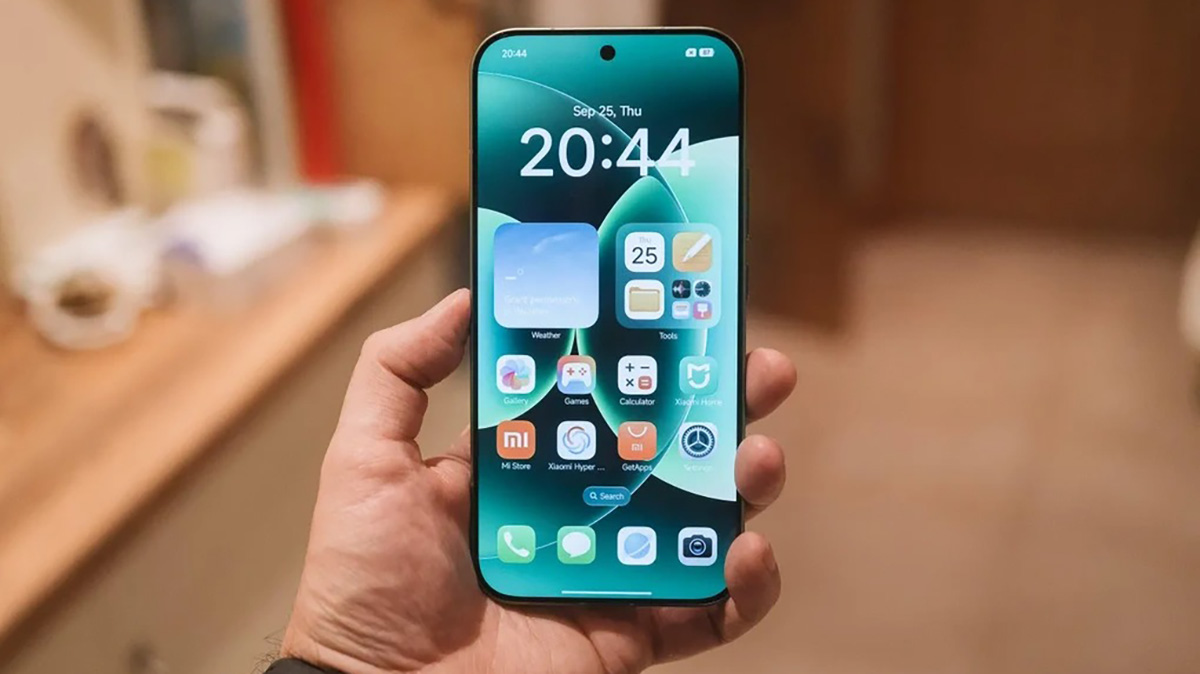
Xiaomi’s next large-screen flagship is shaping up to be less of a routine size upgrade and more of a direct statement about where premium smartphones may be heading next. The Xiaomi 17 Max is expected to arrive with an 8,000mAh battery, a 200MP Leica-backed main rear camera, Qualcomm’s Snapdragon 8 Elite Gen 5 chipset, and a 6.9-inch flat display—specifications that position it as a serious endurance-focused flagship rather than just another oversized variant.
The device is already drawing attention because it appears to challenge one of the industry’s long-running compromises: flagship phones often deliver elite performance, premium cameras, and bright displays, but battery capacity tends to remain conservative to preserve slimness and weight. The Xiaomi 17 Max suggests Xiaomi may be willing to push the formula in a different direction.
A Flagship Built Around Endurance
The most striking detail is the confirmed 8,000mAh battery. In a flagship market where many premium models still hover far below that figure, Xiaomi’s move immediately gives the 17 Max a clear identity. This is not simply a phone for users who want a bigger screen; it appears designed for people who want fewer charging interruptions during gaming, travel, streaming, photography, and heavy daily use.
The Xiaomi 17 Max follows the regular Xiaomi 17 and Xiaomi 17 Pro Max in a lineup that already emphasizes battery strength. The regular Xiaomi 17 is described with a 6.3-inch display, Leica-backed triple 50MP cameras, Snapdragon 8 Elite Gen 5 chipset, and a 6,330mAh battery. The Xiaomi 17 Pro Max moves into larger-screen territory with a 6.9-inch display and a 7,500mAh battery. The 17 Max appears to go further by combining an even larger battery with a more aggressive camera package.
That shift matters because battery life is no longer a secondary selling point. For many users, especially gamers, creators, commuters, and frequent travelers, endurance is central to the flagship experience. A phone can have the fastest chip and the sharpest display, but if it needs constant charging, the premium experience weakens.
The 200MP Camera Push
The Xiaomi 17 Max is also confirmed to include a 200MP Leica-backed primary rear camera, paired with a periscope telephoto lens with 3x optical zoom. Rumors additionally point to a 50MP ultrawide sensor, though that detail has not been officially confirmed in the provided information.
The 200MP main sensor is important because it gives Xiaomi a clear headline camera feature below its Ultra-tier devices. The 17 Max appears to sit in a strategic middle ground: more advanced than the standard Pro setup, but not necessarily designed to replace the Ultra as Xiaomi’s highest camera expression.
Leica branding also remains central to Xiaomi’s premium camera identity. In recent flagship generations, Xiaomi has used its Leica partnership to differentiate its imaging pipeline, color tuning, and photographic personality from rivals. On the 17 Max, the 200MP sensor gives that partnership a stronger hardware story.
Performance: Snapdragon 8 Elite Gen 5 at the Core
Performance will come from Qualcomm’s Snapdragon 8 Elite Gen 5 chipset. That places the Xiaomi 17 Max firmly in flagship territory and suggests the device is being built for demanding users, including mobile gamers, power multitaskers, and creators who edit or process media on-device.
The combination of a top-tier chipset and a large battery is especially notable. High-performance chips can deliver exceptional speed, but they also need strong thermal management and sufficient battery reserves. If Xiaomi balances performance, heat, and endurance effectively, the 17 Max could appeal to users who want sustained power rather than short bursts of peak performance.
Display: A 6.9-Inch Flat Panel With Premium Ambitions
Xiaomi has said the 17 Max uses the same display panel found on the Xiaomi 17 Pro Max. It is a 6.9-inch flat display, and Xiaomi claims its visual quality is comparable to a 2K panel, although the exact resolution has not yet been confirmed.
The flat-panel choice is significant. Curved screens have long been associated with premium Android flagships, but many users prefer flat displays because they are easier to handle, less prone to accidental touches, and often more practical for gaming and typing. A 6.9-inch flat display also strengthens the phone’s identity as a media and productivity device.
For users who watch long videos, play graphically demanding games, or use their phone as a travel entertainment screen, the display and battery combination may be one of the 17 Max’s most persuasive arguments.
Charging: Big Battery, Fast Top-Ups
While Xiaomi has officially confirmed the 8,000mAh battery, leaks and certification-related information point toward 100W wired charging support. One report also states that 50W wireless charging is expected, and that a full charge from empty could take roughly an hour at 100W.
That is a key part of the device’s appeal. A huge battery can become inconvenient if it takes too long to recharge. By pairing large capacity with high-speed charging, Xiaomi appears to be trying to remove the usual drawback of endurance-focused phones.
The phone has also cleared China’s 3C certification under model number 2605EPN8EC, after earlier SRRC wireless certification. These certifications are described as mandatory steps before retail availability in China, suggesting the device is close to launch readiness.
Why Xiaomi Reportedly Dropped the Rear Screen
One of the more interesting design decisions concerns what the Xiaomi 17 Max may not include. Earlier prototypes reportedly featured a secondary rear display, but that feature has been dropped. The space saved by removing the back screen is said to have gone directly toward the larger 8,000mAh battery.
That decision gives the 17 Max a more focused identity. Instead of chasing novelty with a rear display, Xiaomi appears to be prioritizing battery capacity, simplicity, and practical value. For many buyers, especially those who keep phones for several years, longer battery life may matter far more than an experimental secondary screen.
It also shows a broader market calculation. Smartphone brands often experiment with unusual design elements to stand out, but the features that remain popular tend to solve everyday problems. Battery anxiety is one of those problems. A rear display is eye-catching; an 8,000mAh battery may be more useful.
Design and Color Options
Visually, the Xiaomi 17 Max is expected to follow Xiaomi’s familiar flagship design language, with slim bezels, rounded corners, and a large circular rear camera module. Black, blue, and white color options have already been confirmed, while some reports suggest ceramic or carbon fibre-inspired finishes may continue on select variants.
The design direction suggests Xiaomi is not trying to reinvent the flagship silhouette. Instead, the company appears to be refining the formula around battery, display, performance, and camera power.
China First, Global Markets Possible
The Xiaomi 17 Max is already available for pre-orders in China, with an official launch date expected to be announced soon. Xiaomi has confirmed a launch before the end of May, while another report says the late-May window is consistent with the company’s current signals.
Global availability remains less certain. Tipster Yogesh Brar claims discussions are underway to bring the phone to global markets, including India. He also says the Xiaomi 17T and Xiaomi 17T Pro are set to launch globally on May 28th.
If Xiaomi does bring the 17 Max to India and other global markets, the phone could compete strongly among users who prioritize battery life as much as performance. India, in particular, is a market where large batteries, fast charging, and strong camera specifications often resonate with buyers.
The Weight and Comfort Question
An 8,000mAh battery is a major advantage, but it also raises practical questions. Larger batteries can affect weight, thickness, and hand comfort. The Xiaomi 17 Max will likely appeal most to users who are already comfortable with large phones and who value battery life over compactness.
That makes the device’s audience clear. This is not a compact flagship for one-handed use. It is likely to be a big-screen power device for users who want endurance, performance, and camera flexibility in one package.
What the Xiaomi 17 Max Says About the Smartphone Market
The Xiaomi 17 Max reflects a broader shift in flagship priorities. For years, premium phones competed heavily on thinness, display brightness, camera zoom, and processor benchmarks. Those features still matter, but battery capacity is becoming a more visible battleground.
Several factors are driving that shift. Mobile gaming is more demanding. Social video creation is more common. Travel and remote work have made long-lasting devices more valuable. Users also keep phones longer, which makes battery health and capacity more important over time.
By pushing an 8,000mAh battery into a flagship-class device, Xiaomi is signaling that endurance can be a premium feature, not just a budget-phone advantage.
A Flagship to Watch
The Xiaomi 17 Max appears to be one of Xiaomi’s most clearly defined big-screen flagships yet. Its strongest selling points are easy to understand: an 8,000mAh battery, 200MP Leica-backed main camera, Snapdragon 8 Elite Gen 5 performance, a 6.9-inch flat display, and expected fast charging.
The final judgment will depend on pricing, weight, camera performance, thermal behavior, and whether the device reaches global markets. But based on the confirmed and reported details so far, the Xiaomi 17 Max is not just another large Android phone. It is Xiaomi’s attempt to make battery life a flagship headline again.


