

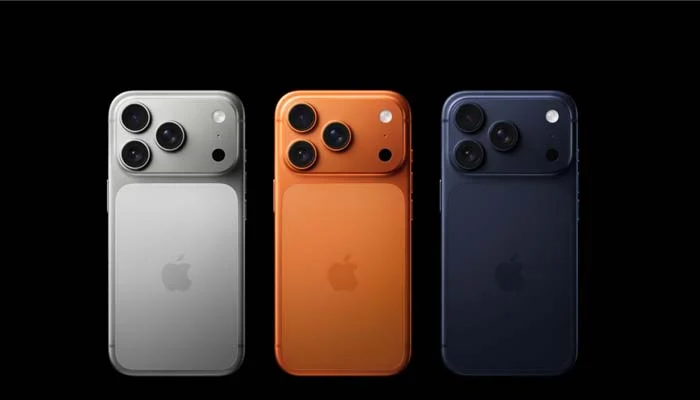
Apple’s iPhone 18 Pro Pricing Strategy Could Reshape the Premium Smartphone Market
Apple appears ready to take an unusually bold approach with its next-generation flagship smartphones. Despite soaring component costs across the technology industry, multiple reports suggest the company plans to keep the iPhone 18 Pro and iPhone 18 Pro Max competitively priced — a move analysts describe as an “aggressive pricing strategy.”
The decision could have major implications not only for Apple customers, but also for the broader premium smartphone market, where rivals like Samsung, Vivo, Xiaomi, and Oppo have steadily pushed flagship prices higher in recent years.
At the center of the discussion is a growing global memory and storage crisis that has increased manufacturing costs for smartphone makers worldwide. Yet Apple may be positioning itself differently from competitors by preserving headline pricing on its most important premium devices while strategically adjusting storage configurations and upsell tiers.
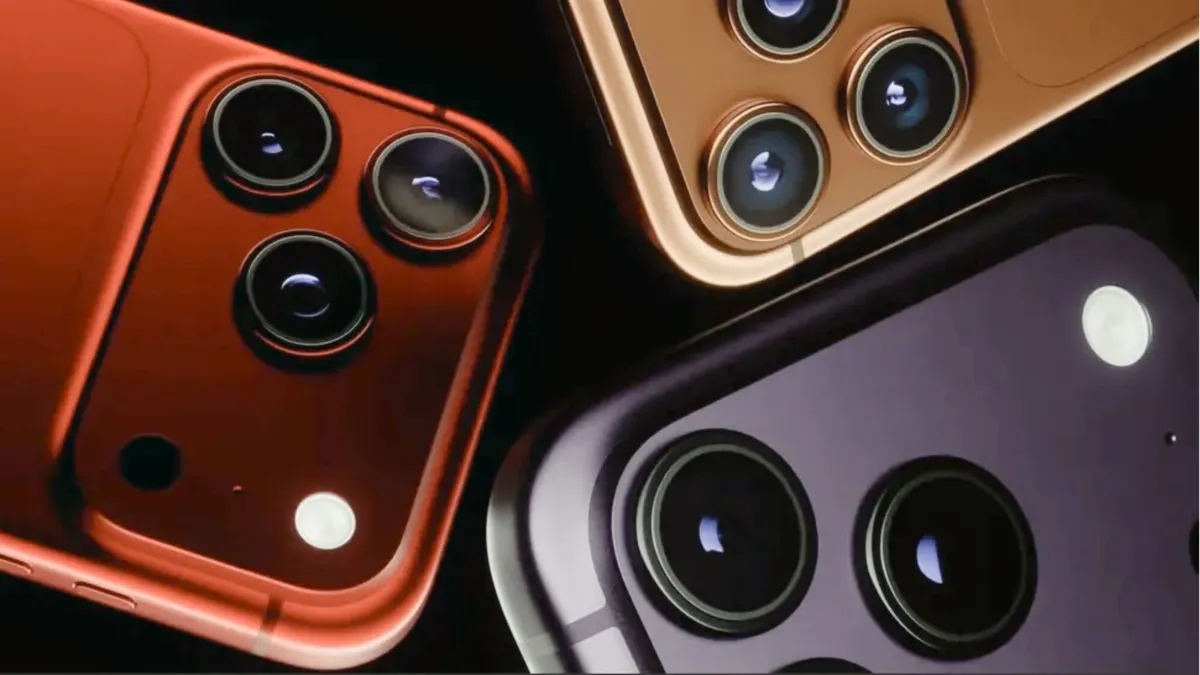
Apple’s Premium Pricing Strategy Faces a New Test
The conversation around Apple’s upcoming flagship lineup intensified after analyst Jeff Pu reportedly stated that Apple is preparing “aggressive pricing” for the iPhone 18 Pro series.
Although the exact meaning of “aggressive pricing” remains open to interpretation, industry analysts believe it points toward Apple maintaining pricing levels similar to the current iPhone 17 Pro generation.
That would place the expected US starting prices at:
- iPhone 18 Pro: $1,099
- iPhone 18 Pro Max: $1,199
Those figures closely match current-generation pricing and align with previous predictions from respected Apple analyst Ming-Chi Kuo.
In India, the current iPhone 17 Pro lineup launched at premium price points:
| Model | Starting Price |
|---|---|
| iPhone 17 Pro | Rs. 1,34,900 |
| iPhone 17 Pro Max | Rs. 1,49,900 |
Higher storage variants climbed substantially beyond those figures, with some models crossing Rs. 2 lakh.
Why Smartphone Prices Are Rising Everywhere
Apple’s strategy becomes more significant when viewed against the broader industry backdrop.
The smartphone sector has been dealing with rapidly increasing costs for critical components, particularly:
- DRAM memory
- NAND flash storage
- AI-focused processing hardware
- Advanced semiconductor manufacturing
The rapid expansion of artificial intelligence products and services has dramatically increased demand for high-performance memory components. This has created supply shortages that affect nearly every major electronics manufacturer.
Many Android brands have already responded by increasing flagship prices or reducing margins. According to reports, Apple may instead absorb some of those higher costs — at least on entry-level premium models.
Analysts believe Apple has one major advantage: scale.
A previous report noted that Apple secured large quantities of memory components earlier than many competitors, potentially placing the company in a stronger negotiating position than rival smartphone manufacturers.
That supply-chain advantage could allow Apple to maintain stable launch pricing while competitors continue raising prices.
The Hidden Strategy Behind “Aggressive Pricing”
While Apple may preserve the advertised “starting at” prices, the company could still protect profitability through other methods.
Reports indicate Apple may increase the cost of higher-storage configurations instead.
This would allow Apple to market stable entry pricing while encouraging customers toward more expensive models.
One rumored change involves a possible 2TB storage option for the iPhone 18 Pro Max. Analysts suggest Apple could use Quad-Level Cell (QLC) flash storage, enabling larger capacities at lower production costs.
The approach reflects a pricing strategy Apple has used successfully for years:
- Keep headline prices psychologically stable.
- Increase average selling price through storage upgrades.
- Encourage premium buyers toward higher-margin configurations.
For consumers, the result may be a lineup that appears unchanged at first glance but becomes significantly more expensive once storage upgrades are added.
Could Apple Pressure Android Flagship Makers?
If Apple succeeds in holding prices relatively steady, the company could place enormous pressure on premium Android brands.
Current flagship Android devices already occupy similar pricing territory:
- Samsung Galaxy S26 Ultra: around Rs 1,39,999
- Vivo X300 Ultra: expected around Rs 1,30,000
- Oppo Find X9 Ultra: expected around Rs 1,30,000
Historically, Android manufacturers often competed on price-to-performance value. But as flagship Android prices continue climbing, the gap between Apple and its competitors has narrowed dramatically.
Some analysts now believe Apple’s stable pricing could even reduce Android’s premium market share.
That prediction is especially notable because Apple has already seen strong iPhone demand in recent quarters, including what reports described as “historic iPhone sales” during the March quarter.
Expected Hardware Upgrades for the iPhone 18 Pro Series
Pricing may dominate headlines, but the iPhone 18 Pro lineup is also expected to deliver several major hardware improvements.
Rumored upgrades include:
A20 Pro Chip Built on 2nm Process
The iPhone 18 Pro models are expected to use Apple’s new A20 Pro chipset, which could become Apple’s first 2nm smartphone processor.
A shift to 2nm manufacturing would likely improve:
- Power efficiency
- Thermal performance
- AI processing capabilities
- Battery life
Up to 12GB RAM
Both Pro models could reportedly feature up to 12GB of RAM, supporting Apple’s expanding AI ambitions and next-generation iOS capabilities.
Improved Camera Hardware
Leaks suggest Apple is testing:
- Variable aperture camera technology
- Enhanced Camera Control features
- Triple 48MP rear camera systems
Variable aperture technology could significantly improve low-light photography and depth control — features increasingly important in flagship smartphone competition.
Smaller Dynamic Island
Another widely discussed rumor points toward a redesigned Dynamic Island.
Leaked dummy units and analyst reports indicate Apple may shrink the Dynamic Island by as much as 25% to 35%, giving users more usable screen space.
The feature has remained largely unchanged since debuting on the iPhone 14 Pro, making this one of the most anticipated design updates in years.
In-House C2 5G Modem
Apple may also introduce its own C2 modem, continuing the company’s effort to reduce dependence on external suppliers.
That could improve:
- Power efficiency
- Network stability
- Battery optimization
- AI-assisted connectivity features
Apple’s Bigger Vision Beyond the iPhone 18
The iPhone 18 lineup may represent more than just another annual smartphone refresh.
Reports indicate Apple is preparing broader hardware changes across its ecosystem, including the long-rumored foldable iPhone.
Industry speculation suggests Apple could launch its first foldable iPhone — possibly branded as the iPhone Fold or iPhone Ultra — by late 2026 alongside the iPhone 18 Pro lineup.
Meanwhile:
- The standard iPhone 18 models may arrive later in spring 2027.
- Apple is reportedly planning major camera upgrades through 2028.
- Future Pro models could feature increasingly advanced imaging systems.
Taken together, the iPhone 18 generation may mark the beginning of a broader transition in Apple’s smartphone strategy.
Why This Matters for Consumers
For buyers, Apple’s reported pricing strategy may ultimately come down to perception.
In an environment where consumers expect annual price increases, stable launch pricing can create the impression of greater value — even if upgraded configurations become more expensive.
That matters because premium smartphone buyers are increasingly weighing:
- AI features
- camera performance
- long-term software support
- ecosystem integration
- resale value
If Apple can deliver meaningful hardware upgrades while limiting price increases, the company may strengthen its position in the ultra-premium smartphone segment at a time when economic pressures are influencing consumer spending decisions globally.
The Bottom Line
Apple’s rumored “aggressive pricing” strategy for the iPhone 18 Pro and iPhone 18 Pro Max could become one of the company’s most important competitive moves in years.
Rather than aggressively raising prices in response to higher memory and storage costs, Apple appears focused on preserving premium market momentum by keeping entry prices relatively stable while expanding higher-end configurations.
If the strategy succeeds, Apple could tighten its grip on the premium smartphone category while forcing Android manufacturers into a difficult balancing act between profitability and competitiveness.
With expected upgrades including a 2nm A20 Pro chip, advanced camera technology, a smaller Dynamic Island, larger batteries, and possibly Apple’s first foldable iPhone arriving alongside the lineup, the iPhone 18 era may represent a major turning point for the smartphone industry.


