


Realme C100 Arrives in Europe — But With a Smaller Battery Than Asia Gets
Realme is expanding its latest budget-focused smartphone strategy into Europe with the launch of the Realme C100, a device that has already attracted attention in Asia for its oversized battery, high refresh-rate display, and aggressive pricing. But European buyers are getting a slightly different version of the phone — and the biggest change is the battery.
While the Asian edition of the Realme C100 debuted with a massive 7,000 mAh battery, the European variant is arriving with a rated 6,600 mAh capacity instead. Even so, Realme appears confident that the phone can remain one of the most endurance-focused devices in its category thanks to software optimization and efficient hardware tuning.
The move highlights an increasingly common trend in the smartphone industry: manufacturers adapting hardware specifications for different regional regulations and market requirements while trying to preserve the overall user experience.
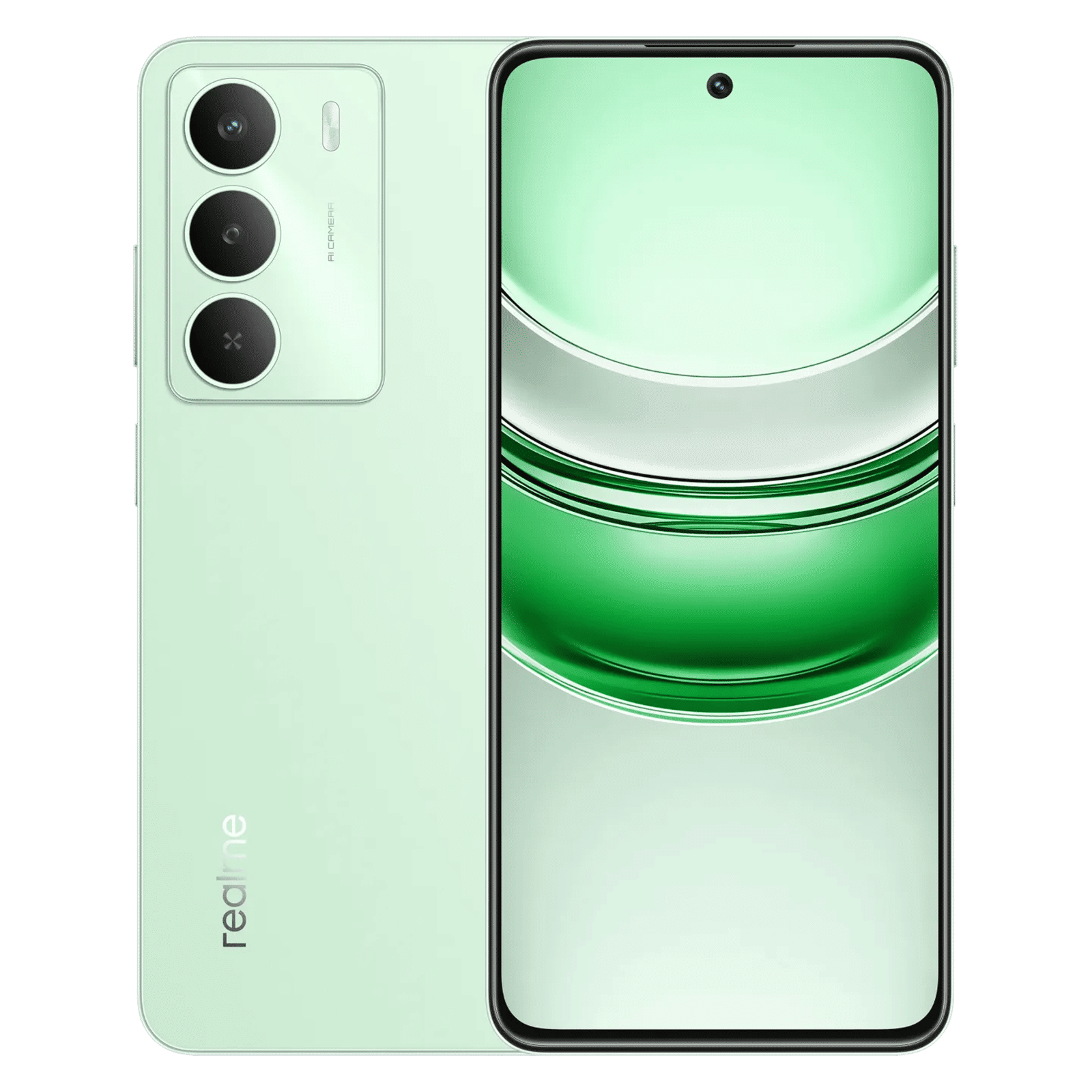
Realme’s European Push Begins
The Realme C100 was first introduced in select Asian markets earlier in May 2026, where it quickly stood out in the crowded budget smartphone segment. Now, listings across Europe confirm that the device is officially making its way to the region.
European pricing places the phone firmly in the affordable mid-range category:
- €269 for the 128GB storage model
- €299 for the 256GB storage model
The device will launch in two colors:
- Sprouting Green
- Blooming Purple
Both variants are paired with 4GB of RAM.
Although the European edition sacrifices some battery capacity compared to the Asian release, the rest of the hardware remains largely unchanged.
The Battery Downgrade Explained
The most talked-about difference between the two versions of the Realme C100 is the battery size.
In Asia, the smartphone launched with a 7,000 mAh battery — a specification that immediately became one of its major selling points. European buyers, however, will receive a device with a rated 6,600 mAh battery capacity.
Realme is still expected to market the battery using a “typical capacity” figure that may appear slightly higher in promotional materials, which is common practice in the smartphone industry.
Even with the reduction, the battery remains significantly larger than what most competitors currently offer in the same price bracket. Many mid-range and entry-level smartphones still rely on batteries in the 5,000–5,500 mAh range.
The adjustment may be tied to European certification standards, transportation regulations, or internal regional product positioning strategies.
Battery Life May Still Be a Major Strength
Interestingly, the Realme C100 has already been gaining attention for battery endurance performance rather than battery size alone.
According to recent AnTuTu endurance testing, the Realme C100 emerged as the longest-lasting smartphone of 2026 in mixed-use testing scenarios. The phone reportedly achieved:
- 11 hours and 33 minutes of runtime
- More than 4.5 hours of continuous AI usage
The testing included demanding real-world activities such as:
- 4K YouTube playback
- WhatsApp video calls
- Video recording
- Continuous ChatGPT interaction
Those results helped reinforce an important point increasingly recognized across the smartphone industry: software optimization and chipset efficiency can matter just as much as raw battery capacity.
Realme UI 7.0, based on Android 16, was credited for helping reduce power consumption and improving energy management.
That could help the European version maintain competitive endurance despite its smaller battery.
A Budget Phone With Surprisingly Ambitious Specs
Outside of the battery adjustment, the European Realme C100 appears nearly identical to the Asian model.
The phone is expected to feature:
- A 6.8-inch LCD display
- 720 x 1570 resolution
- 144Hz refresh rate
- 900-nit peak brightness
A 144Hz refresh rate remains highly unusual in this price segment, where many competing devices still use 90Hz or 120Hz panels.
The device is powered by the MediaTek Dimensity 6300 chipset, a 6nm processor designed for affordable 5G smartphones. While not a flagship processor, the chip focuses heavily on efficiency and stable day-to-day performance.
The camera system is relatively simple but functional:
- 50MP main rear camera
- 5MP selfie camera
Realme is also shipping the phone with Android 16 and Realme UI 7.0 out of the box.
Durability and Long-Term Use Become Selling Points
Realme is positioning the C100 as more than just a large-battery phone.
The company says the battery is rated for up to 1,600 charging cycles before deteriorating below 80% of its original capacity. That suggests a focus on long-term durability and extended ownership — an increasingly important selling point as smartphone replacement cycles continue to lengthen globally.
The phone has also received EU durability ratings:
- D rating for drop resistance
- C rating for repairability
While these are not class-leading scores, they align with growing European pressure for greater repair transparency and sustainability standards in consumer electronics.
Additional durability features reported in other regional releases include:
- IP64 dust and splash resistance
- Reinforced frame construction
- Military-grade protection claims
- Wet-hand touch functionality
Realme’s Strategy Reflects a Bigger Industry Shift
The Realme C100 enters Europe during a period when smartphone makers are increasingly competing on battery life, longevity, and efficiency instead of pure processing power alone.
Consumers are placing greater importance on:
- All-day battery endurance
- Long software support
- Durability
- Repairability
- Charging speed
The C100’s positioning reflects those changing priorities.
Even Apple’s iPhone 16 Pro Max recently drew attention in endurance testing for delivering competitive battery performance despite using a much smaller 4,685 mAh battery. That comparison further supports the idea that optimization is becoming just as important as capacity numbers.
For Realme, the C100 may serve as a strategic device aimed at users who want reliable endurance without paying flagship prices.
Realme Continues Expanding Its 2026 Portfolio
The C100 launch is arriving alongside growing activity across Realme’s broader smartphone lineup.
Recent leaks surrounding the rumored Realme 16T suggest the company is continuing to build aggressively across multiple price categories. The alleged 16T recently appeared on Geekbench running Android 16 and featuring the same Dimensity 6300 chipset found in the C100.
That signals Realme’s continued focus on balancing affordability, 5G connectivity, and efficient performance across its portfolio.
Meanwhile, reports of deeper collaboration between Realme and OnePlus continue to fuel speculation about future platform sharing and product integration strategies.
Can the Realme C100 Succeed in Europe?
The European smartphone market remains highly competitive, especially in the sub-€300 category where brands like Xiaomi, Samsung, Honor, Motorola, and Poco dominate shelf space.
Still, the Realme C100 enters the market with several clear advantages:
- Exceptional battery reputation
- 144Hz display
- Competitive pricing
- Modern Android 16 software
- Large-screen multimedia experience
The smaller European battery may disappoint some enthusiasts who were hoping for the full 7,000 mAh specification. However, if Realme’s software optimization delivers the same endurance levels seen in testing, the reduction may have less real-world impact than the numbers initially suggest.
For budget-conscious users prioritizing battery life, screen smoothness, and day-to-day reliability, the Realme C100 could become one of the more interesting affordable smartphones entering Europe in 2026.


