

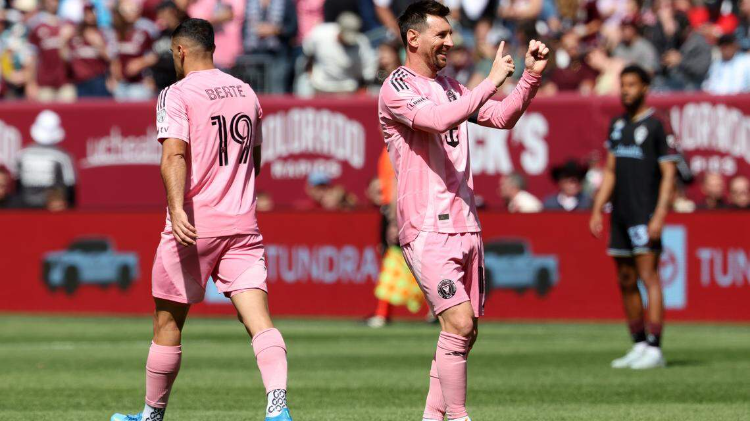
Real Salt Lake vs Inter Miami: Messi’s Influence and a Late Twist in Utah
A Night That Turned in a Flash
For much of the evening at America First Field, the clash between Real Salt Lake and Inter Miami felt destined for stalemate. Despite the presence of Lionel Messi and a star-studded Miami lineup, the game unfolded as a tense, evenly matched contest defined by missed chances and disciplined defending.
Then, in a stunning late sequence, everything changed.
Within just one minute and 54 seconds, Rodrigo De Paul and Luis Suárez delivered two moments of brilliance that transformed the match into a 2-0 victory for Inter Miami, extending their unbeaten MLS run and reinforcing their growing dominance this season.
The Build-Up: High Stakes, High Altitude, and Messi’s Spotlight
The match carried significant anticipation even before kickoff. Inter Miami arrived in Utah riding momentum under new coach Guillermo Hoyos, having already secured a dramatic 3-2 win over the Colorado Rapids days earlier.
Real Salt Lake, meanwhile, were in formidable form. With a 5-1-1 record and a six-game unbeaten streak, they were enjoying their best start in over two decades and had turned their home ground into a fortress.
The occasion was further amplified by Lionel Messi’s presence. Ticket demand surged dramatically, with the match becoming the most expensive MLS fixture of the season, underlining the global pull of the Argentine superstar.
First Half: Salt Lake’s Early Pressure vs Messi’s Creativity
Real Salt Lake began aggressively, nearly taking the lead inside four minutes when Sergi Solans headed narrowly wide. Moments later, Morgan Guilavogui thought he had scored, only for the goal to be ruled offside.
Despite the early pressure, Inter Miami gradually settled—largely through Messi’s influence.
The Argentine maestro began dictating tempo, forcing a sharp save from goalkeeper Rafael Cabral and creating opportunities, including a dangerous corner that German Berterame failed to convert.
Even when Miami struggled collectively, Messi remained central to their attacking rhythm—probing, dribbling, and orchestrating play in the final third.
Second Half: Missed Chances and Mounting Tension
The second half mirrored the first in intensity but not in execution.
Berterame missed a golden opportunity after clever build-up from Messi, while at the other end, Zavier Gozo fired over the bar as Salt Lake continued to threaten.
The match became a tactical standoff—Salt Lake pressing with energy and Miami relying on moments of individual brilliance.
And that brilliance arrived—late, sudden, and decisive.
The Turning Point: Two Goals, Two Minutes, Total Control
De Paul Breaks the Deadlock
In the 82nd minute, Rodrigo De Paul produced a moment of pure quality. Receiving a short corner from Telasco Segovia, the Argentine midfielder curled a stunning shot into the top-right corner.
It was a goal of minimal probability—worth just 0.02 xG—but maximum impact.
Suárez Seals It with Vintage Class
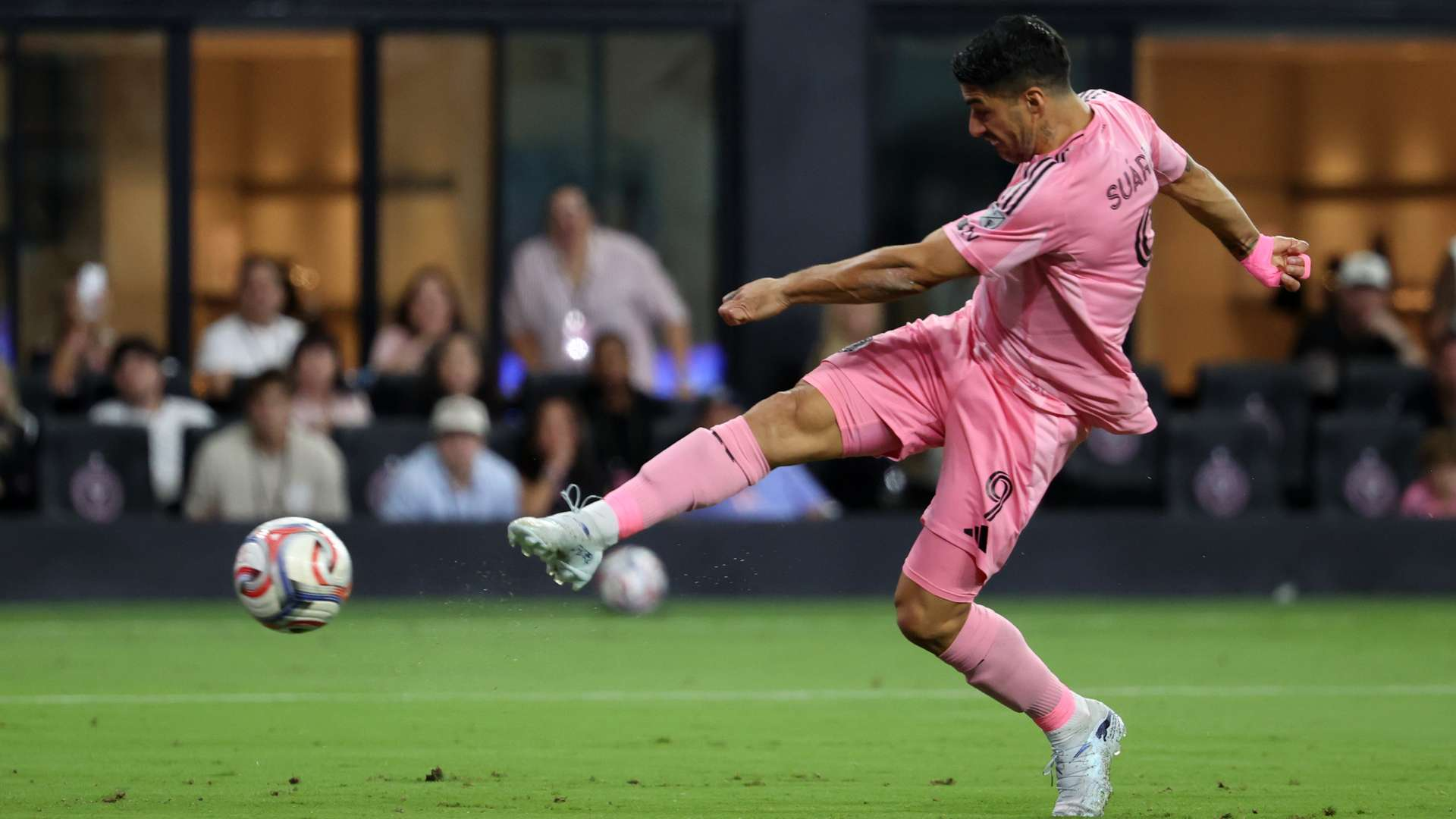
Before Real Salt Lake could recover, Luis Suárez struck.
Coming off the bench in the 75th minute, the veteran forward unleashed a left-footed volley inside the box, doubling Miami’s lead with a finish reminiscent of his prime years.
The two goals—separated by less than two minutes—marked the fastest scoring burst in Inter Miami’s club history.
Messi’s Influence: A Performance Beyond Goals
While Messi did not score, his imprint on the match was unmistakable.
He recorded:
- 10 shots (most in the match)
- 3 chances created
- 3 successful dribbles
- 13 duels contested
- 29 final-third passes completed
Across the MLS season, Messi leads in total shots (50) and ranks among the top for final-third passing contributions, highlighting his ongoing centrality to Miami’s attacking system.
Even on a night when he wasn’t at his absolute peak, his involvement laid the groundwork for Miami’s late breakthrough.
Tactical Insight: Star Power Meets Structure
The match underscored a critical aspect of Inter Miami’s identity under Guillermo Hoyos:
they don’t need dominance—they need moments.
- De Paul’s goal came from a rehearsed set-piece variation.
- Suárez’s strike came from individual instinct and positioning.
- Messi orchestrated the buildup throughout.
This combination of tactical structure and elite individual quality allows Miami to remain competitive—even when outplayed for stretches.
As one analysis noted, sometimes “starpower simply takes over.”
What the Result Means
Inter Miami
- Extend unbeaten MLS run to eight matches
- Improve to 5-1-3
- Sit second in the Eastern Conference
The win reinforces their status as genuine contenders, capable of grinding out results even in difficult away environments.
Real Salt Lake
- See their six-game unbeaten streak end
- Miss an opportunity after controlling large portions of the game
Despite the loss, their performance demonstrated they can compete with the league’s elite—but also highlighted the fine margins at this level.
Bigger Picture: A Team Built for Moments
This match was not a display of sustained dominance by Inter Miami. Instead, it was a lesson in efficiency, patience, and elite execution.
In a league known for high-scoring unpredictability, Miami showcased a different formula:
- Stay in the game
- Trust the stars
- Strike when it matters most
With Messi orchestrating, De Paul delivering from distance, and Suárez finishing clinically, Inter Miami possess a rare blend of creativity, experience, and composure.
Conclusion: A Statement Win in Disguise
At first glance, a 2-0 scoreline suggests control. But in reality, this was a tightly contested battle decided in a fleeting moment of brilliance.
Real Salt Lake vs Inter Miami was a reminder that in modern MLS, matches can hinge on seconds—not sustained pressure.
For Inter Miami, it’s another step forward in a campaign defined by resilience and star quality.
For the rest of the league, it’s a warning: even when Miami aren’t at their best, they can still win—and win decisively.


