


The Sheep Detectives: A Whimsical Murder Mystery That Redefines Family Cinema
A Curious Case in the Countryside
In an era where family films often rely on nostalgia or formulaic storytelling, The Sheep Detectives emerges as an unusual yet compelling entry into the genre—a murder mystery led not by seasoned investigators, but by a flock of sheep. Adapted from Leonie Swann’s bestselling novel Three Bags Full, the film blends elements of classic whodunits with heartfelt storytelling, creating a narrative that is both playful and unexpectedly profound.
Directed by Kyle Balda and written by Craig Mazin, the film places audiences in a picturesque rural setting where the boundaries between innocence and complexity are quietly challenged. At its core, this is not just a story about solving a crime—it is about grief, curiosity, and the search for truth in a world that suddenly feels unfamiliar.
The Premise: When Sheep Become Sleuths
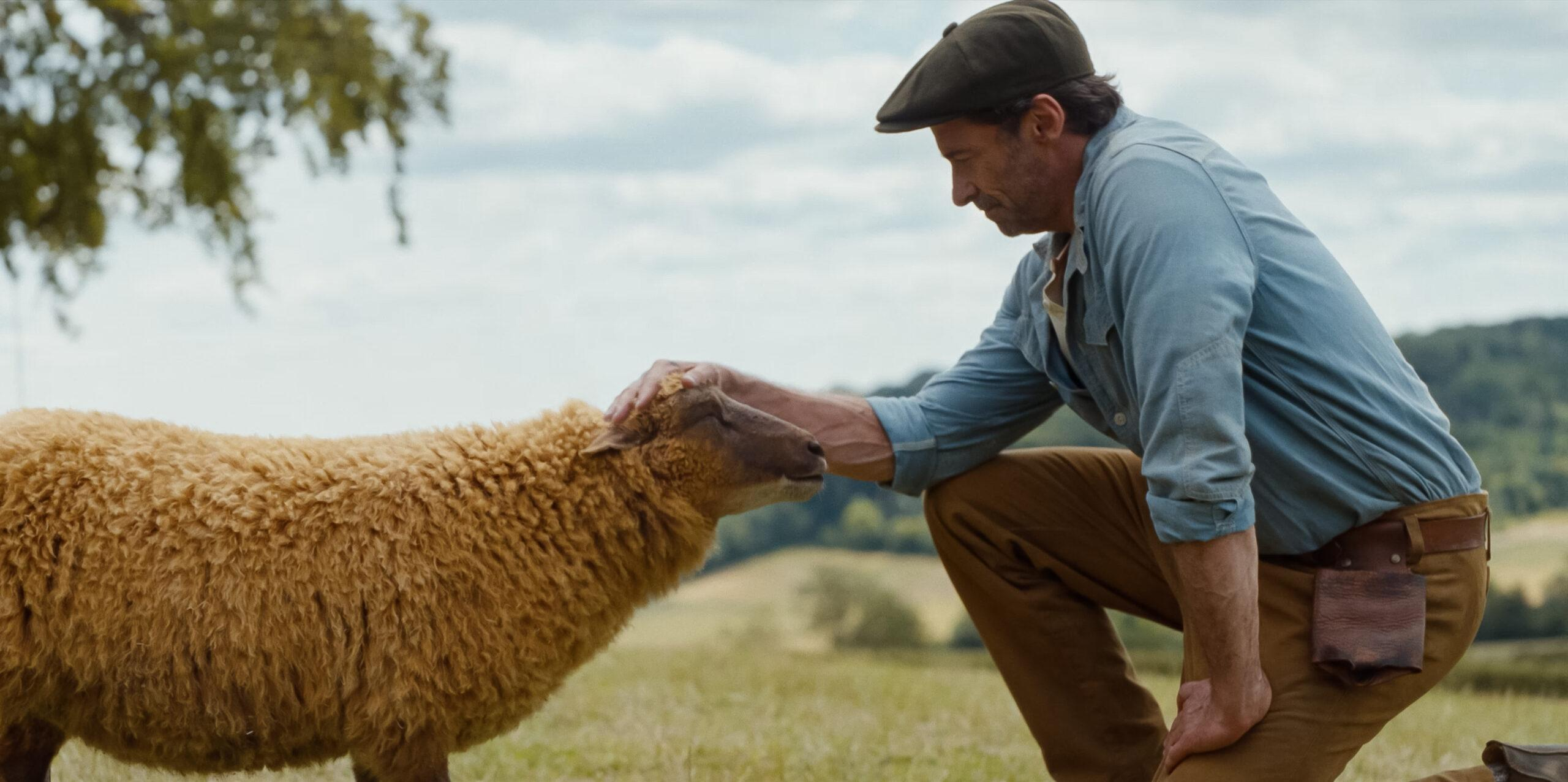
The story begins with George Hardy, a gentle shepherd played by Hugh Jackman, who shares an extraordinary bond with his flock. Each night, he reads them murder mystery novels, unknowingly planting the seeds for what will become their greatest challenge.
When George is found dead under mysterious circumstances, the flock is thrust into confusion and grief. Convinced that their beloved caretaker has been murdered, the sheep decide to take matters into their own hooves. Drawing inspiration from the detective stories they once heard, they embark on an investigation of their own.
Their unlikely quest unfolds alongside the efforts of a bumbling local police officer, Tim Derry, whose incompetence leaves much of the real detective work to the animals themselves.
A Cast of Suspects and Secrets
As the investigation progresses, the narrative introduces a wide array of suspects, each with potential motives tied to George’s life and land:
- A former business partner with unresolved tensions
- A local butcher representing conflicting agricultural interests
- A curious neighbor and a reserved reverend
- George’s estranged daughter and a probing journalist
- A lawyer managing the complexities of his estate
This layered web of characters transforms the film into a fully-fledged mystery, echoing the spirit of Agatha Christie-style storytelling while maintaining a distinctly modern tone.
The Sheep: More Than Just Comic Relief
What truly sets The Sheep Detectives apart is its richly developed animal characters. Far from being simple comedic devices, the sheep possess unique personalities and philosophical quirks.
- Lily, voiced by Julia Louis-Dreyfus, emerges as the intellectual leader, deeply influenced by the detective stories she has absorbed.
- Mopple, voiced by Chris O’Dowd, carries the emotional weight of memory, unable to forget trauma that others choose to ignore.
- Sebastian, voiced by Bryan Cranston, offers a more grounded, worldly perspective, often challenging the flock’s assumptions.
Together, they form a dynamic investigative team, balancing logic, emotion, and instinct as they navigate a world that suddenly feels darker and more complex.
Themes Beneath the Wool
While the film presents itself as a lighthearted family mystery, it quietly explores deeper themes that elevate it beyond conventional entertainment.
Confronting Mortality
The death of George forces the sheep to grapple with the concept of mortality—something they had previously understood only through abstract beliefs. The film does not shy away from this existential weight, instead treating it with sincerity and care.
The Power of Knowledge
The sheep’s investigation is fueled by stories—fictional narratives that become tools for real-world problem-solving. This underscores the idea that knowledge, even when acquired indirectly, can empower individuals to face uncertainty.
Innocence Meets Reality
As the flock uncovers clues, their worldview begins to shift. What was once a simple, predictable existence becomes layered with ambiguity, forcing them to question long-held beliefs.
A Divided Critical Reception
The film has sparked a wide range of responses from critics, highlighting its unconventional nature.
Some reviewers praise its originality and emotional depth, describing it as “a thoughtful, well-crafted whodunit that blends heart, humor, and existential weight.”
Others, however, point to inconsistencies in tone and execution. Critics have noted challenges in integrating CGI sheep into live-action environments and questioned whether the film fully commits to its narrative potential.
Despite these critiques, there is broad agreement that the film’s ambition and uniqueness set it apart from typical family fare.
Balancing Whimsy and Darkness
One of the film’s most notable achievements is its tonal balance. While it features talking animals and comedic moments, it also delves into themes that may surprise younger viewers.
Scenes of tension and emotional introspection give the story a depth rarely seen in family-oriented films. Yet, the narrative ultimately maintains an accessible and engaging tone, ensuring that both children and adults can find something meaningful within it.
A Modern Throwback to Classic Family Films
In many ways, The Sheep Detectives feels like a return to the storytelling traditions of the 1990s—films like Babe or Stuart Little that combined technical innovation with genuine emotional resonance.
Rather than relying solely on spectacle, the film emphasizes character development and narrative complexity. This approach has led some critics to view it as a refreshing departure from the current landscape of franchise-driven family entertainment.
What Lies Ahead for the Flock?
With its unique premise and mixed but passionate reception, The Sheep Detectives raises intriguing questions about the future of family cinema.
Could this film inspire more ambitious storytelling within the genre? Might it pave the way for sequels or adaptations of Swann’s other works?
There is also the possibility that its blend of mystery, humor, and philosophical inquiry could influence how filmmakers approach stories for younger audiences—treating them as capable of engaging with more complex ideas.
Conclusion: A Bold Experiment in Family Storytelling
The Sheep Detectives is not a conventional film, nor does it attempt to be. It is a bold experiment—one that combines the charm of talking animals with the structure of a murder mystery and the depth of existential reflection.
Whether viewed as a delightful curiosity or an uneven but ambitious project, its significance lies in its willingness to challenge expectations. In doing so, it offers a glimpse of what family films can achieve when they dare to venture beyond the familiar.


