


Honor 600 Pro vs Samsung Galaxy A57: Which Midrange Phone Wins in 2026?
A New Kind of Midrange Battle
The definition of a “midrange smartphone” has shifted dramatically in 2026. What was once a compromise category is now home to devices that flirt with flagship-level performance, camera capabilities, and battery endurance. Nowhere is this transformation clearer than in the clash between the Honor 600 Pro and the Samsung Galaxy A57.
Both devices sit near the top of the midrange hierarchy—but they approach the segment from entirely different philosophies. Honor is pushing the boundaries of what an “affordable flagship” can be, while Samsung is refining its formula of balance, design, and reliability.
So which one actually wins?
The Context: A Fierce Midrange Market in 2026
The competition in 2026 is intense. Samsung’s Galaxy A-series continues to dominate global sales thanks to its broad appeal, with models like the Galaxy A57 delivering a “competent all-rounder” experience that appeals to mainstream users .
At the same time, newer challengers like Honor are blurring the line between midrange and flagship. The Honor 600 Pro, launched globally in April 2026, comes equipped with features typically reserved for premium devices—like a Snapdragon 8 Elite processor and a 200MP camera system .
This sets the stage for a direct comparison: balance vs ambition.
Design and Build: Premium Feel vs Practical Elegance
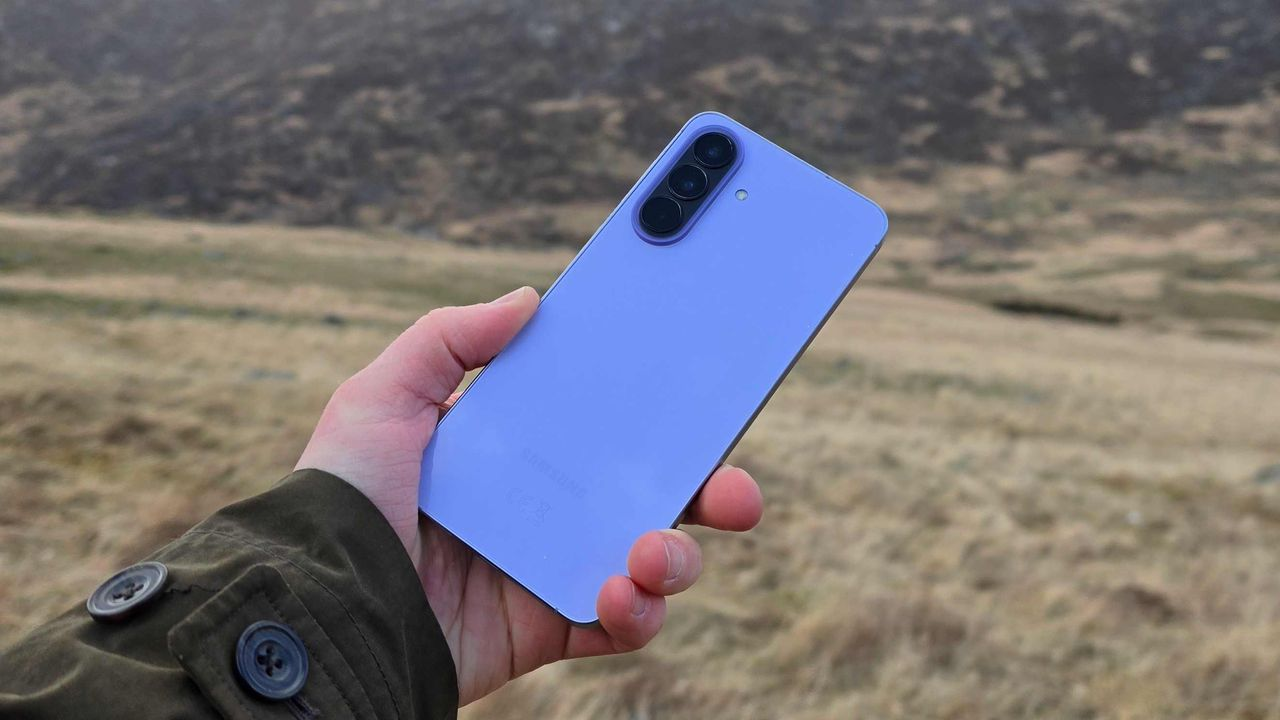
Samsung has refined its design philosophy with the Galaxy A57. The device is notably slim at 6.9mm and lightweight at 179g, featuring a glass-and-metal chassis that “feels like a flagship phone” despite its midrange positioning .
Honor, however, leans into bold premium aesthetics. The 600 Pro features a metal body, IP69K durability, and a distinctive camera module, with a polished finish that signals high-end intent .
Verdict:
- Galaxy A57: Minimalist, refined, and comfortable
- Honor 600 Pro: Flashier, more premium, and more durable
Honor edges ahead here if you prioritize build strength and visual impact.
Display: Brightness and Resolution vs Practical Viewing
Both phones offer 120Hz refresh rates, but their display philosophies differ:
- Honor 600 Pro:
- 6.57-inch AMOLED
- Higher resolution (1.5K)
- Extremely high brightness levels (up to 8,000 nits reported)
- Samsung Galaxy A57:
- 6.70-inch FHD+ AMOLED
- Balanced brightness and efficiency
- Larger screen for media consumption
Samsung’s display is practical and large, but Honor’s panel is clearly more advanced.
Winner: Honor 600 Pro
Performance: Flagship Power vs Everyday Stability
This is where the gap becomes unmistakable.
- Honor 600 Pro:
- Snapdragon 8 Elite (flagship chipset)
- Up to 12GB RAM and massive storage
- Designed for high-performance tasks and gaming
- Samsung Galaxy A57:
- Exynos 1680 processor
- Optimized for daily use and efficiency
- Strong but not flagship-level
Samsung delivers reliable, consistent performance—but Honor is operating in a different league entirely.
Winner: Honor 600 Pro (by a wide margin)
Camera Systems: High-Resolution Ambition vs Balanced Imaging
Camera hardware highlights the philosophical divide between the two brands.
Honor 600 Pro
- 200MP main sensor
- 50MP telephoto + 12MP ultrawide
- Advanced AI imaging features
Samsung Galaxy A57
- 50MP main camera
- 12MP ultrawide + 5MP macro
- Software-driven features like Nightography and AI enhancements
Samsung prioritizes consistency and user-friendly features, while Honor aims for raw power and versatility.
Verdict:
- Casual users → Samsung
- Photography enthusiasts → Honor
Overall winner: Honor 600 Pro
Battery and Charging: Endurance vs Efficiency
Battery life is one of the most decisive differences:
- Honor 600 Pro:
- Massive 7,000mAh battery
- 80W wired + 50W wireless charging
- Samsung Galaxy A57:
- 5,000mAh battery
- Up to 2-day usage
- No wireless charging
Samsung delivers solid endurance, but Honor dominates with sheer capacity and faster charging.
Winner: Honor 600 Pro
Software and AI: Samsung’s Refinement vs Honor’s Innovation
Both devices run Android 16, but their ecosystems differ:
- Samsung (One UI 8.5):
- Clean, stable, widely supported
- Practical AI features like Live Transcription and enhanced search
- Honor (MagicOS 10):
- More experimental AI features
- Unique tools like AI Image-to-Video functionality
Samsung wins on polish and long-term usability, while Honor pushes innovation.
Winner: Samsung Galaxy A57 (for most users)
Key Specs Snapshot
| Feature | Honor 600 Pro | Samsung Galaxy A57 |
|---|---|---|
| Processor | Snapdragon 8 Elite | Exynos 1680 |
| Display | 6.57″ 1.5K AMOLED | 6.7″ FHD+ AMOLED |
| Camera | 200MP triple system | 50MP triple system |
| Battery | 7000mAh | 5000mAh |
| Charging | 80W + wireless | 45W wired |
| Storage | Up to 512GB | Up to 256GB |
Final Verdict: Which Phone Wins?
Honor 600 Pro — The Performance Champion
If your priorities include:
- Top-tier performance
- Advanced photography
- Massive battery life
- Premium hardware
Then the Honor 600 Pro is the clear winner. It pushes the boundaries of what a midrange phone can achieve and often feels closer to a flagship.
Samsung Galaxy A57 — The Balanced Choice
If you value:
- Stability and reliability
- Refined software
- Sleek, lightweight design
- Consistent everyday performance
Then the Galaxy A57 remains a smarter, safer choice.
The Bigger Picture: What This Means for 2026
This comparison highlights a broader industry shift. Midrange phones are no longer about compromise—they are about specialization.
- Samsung is perfecting balance and usability.
- Honor is redefining value with flagship-level specs.
For consumers, that’s a win. The real question is no longer “Which is better?” but rather:
“What kind of phone experience do you want?”


