

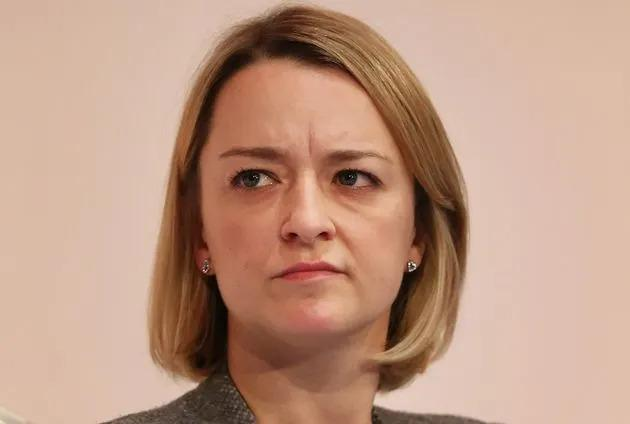
Laura Kuenssberg on TV Today: A Dramatic Morning of Politics and Last-Minute Twists
Inside Today’s Broadcast: What Happened on BBC’s Flagship Political Show
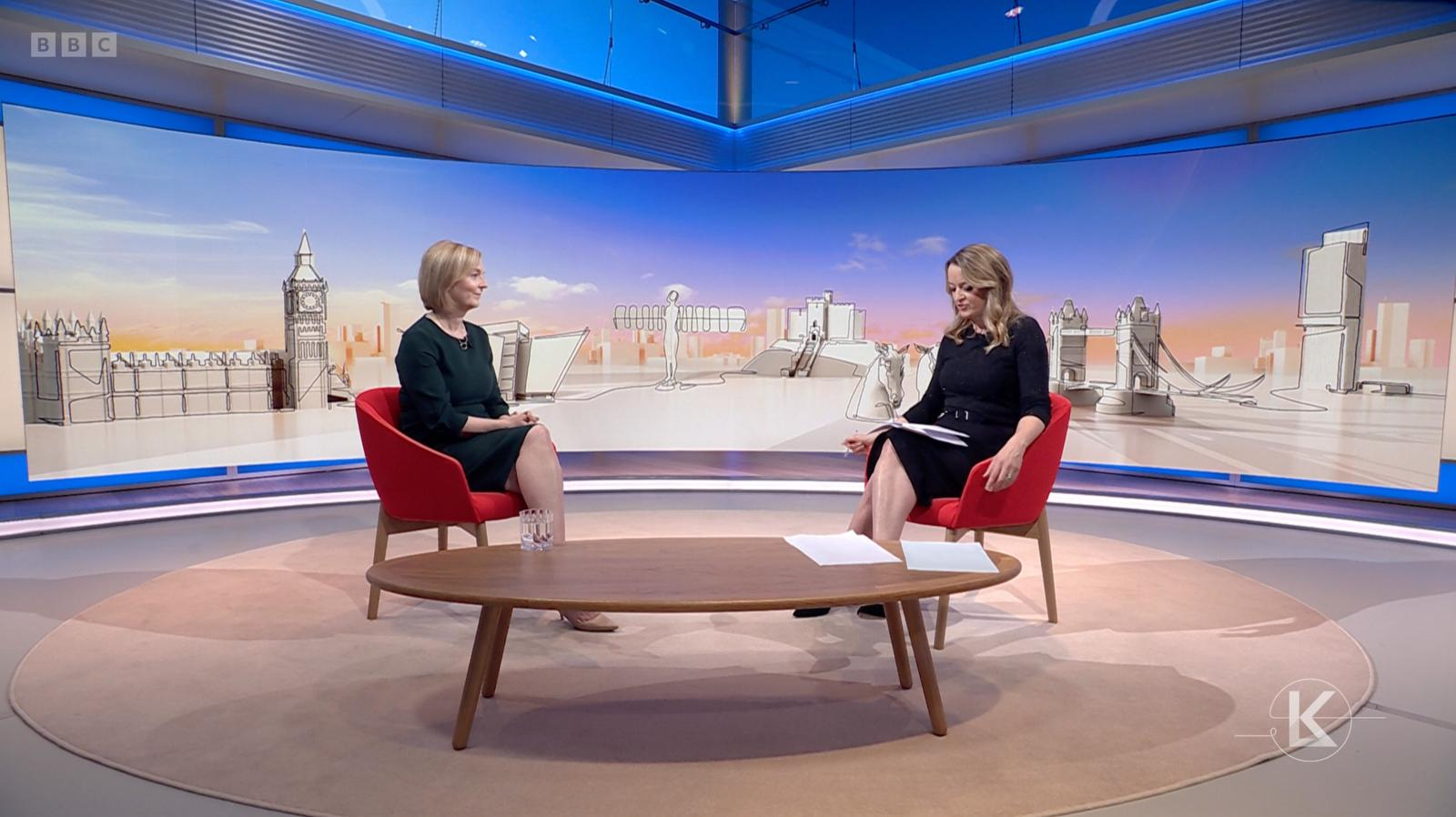
Viewers tuning in to “Sunday with Laura Kuenssberg” today expected a high-stakes political debate ahead of crucial local elections—but what unfolded was a broadcast shaped as much by absence as by presence.
The BBC’s flagship Sunday morning programme, hosted by one of the UK’s most influential political journalists, quickly became a focal point of national conversation after a late withdrawal disrupted the planned line-up.
A Show Built for a Critical Political Moment
Laura Kuenssberg, who has hosted the programme since 2022 after serving as BBC Political Editor, is known for steering conversations at pivotal moments in British politics.
Today’s episode carried particular weight. With local elections scheduled for Thursday, May 7, the broadcast was positioned as a key opportunity for voters to hear directly from major political figures.
Opening the programme, Kuenssberg set the tone with a reminder of the stakes:
“The moment of truth is almost upon us. On Thursday (May 7), millions of us have the chance to tell politicians what we think at the ballot box. Elections that could decide the Prime Minister’s fate, but it’s 2026, so there are so many parties after your vote.”
The Unexpected Twist: A Last-Minute Withdrawal
The biggest development came within minutes of the show beginning.
Nigel Farage, leader of Reform UK, had been scheduled to appear alongside other senior political figures. However, viewers were informed of a sudden change:
“We told you last week he was fixed to be here, but his team have told us he changed his mind.”
His absence immediately altered the dynamic of the programme—and triggered a wave of reaction both inside and outside the studio.
The Line-Up That Remained
Despite the disruption, the show featured a strong panel of political voices, including:
- Conservative leader Kemi Badenoch
- Green Party leader Zack Polanski
- Labour Transport Secretary Heidi Alexander
Kuenssberg noted:
“Six of them are here today… but not, however, is Nigel Farage.”
This mix ensured that debate continued, but without one of the most anticipated participants.
Why Did Farage Pull Out?
While the official explanation was simple—that Farage had “changed his mind”—the broader political context added complexity.
Reports indicate he was instead campaigning in Clacton.
However, critics were quick to question the timing. A Labour source claimed:
“Reform are dodging scrutiny days before crucial local elections. Could it be because Nigel Farage doesn’t want to talk about failing to declare £5million?”
The controversy relates to a £5 million gift from a Thailand-based billionaire, which reportedly did not appear in the parliamentary register of interests.
Farage maintains the funds were for personal security rather than political purposes.
On-Air Reactions and Political Fallout
The absence did not go unnoticed by other guests.
- Kemi Badenoch suggested Farage was “too scared” to face questioning.
- Zack Polanski said he “didn’t even bother to turn up today because he’s on the run.”
Kuenssberg herself acknowledged the missed opportunity, noting topics she intended to raise:
“Reform has had a lot of well-documented problems with candidates expressing or sharing offensive views. Of course, we would have put those to Nigel Farage if he hadn’t changed his mind about coming in this morning.”
Audience Reaction: A Divided Response
Viewers quickly took to social media, with reactions ranging from disappointment to criticism.
Some questioned Farage’s absence as a missed accountability moment, while others framed it as a strategic campaign decision.
The debate highlighted the show’s broader role—not just as a broadcast, but as a platform where public expectations of political accountability are tested in real time.
The Bigger Picture: Why Today’s Show Matters
“Sunday with Laura Kuenssberg” is more than a weekly programme—it functions as a central arena for political scrutiny in the UK.
Each episode typically:
- Brings together major party leaders
- Examines current political controversies
- Shapes public discourse ahead of major events
Today’s episode underscored how quickly political narratives can shift—even before the first segment concludes.
What Comes Next
With elections only days away, the implications of today’s developments may extend beyond the studio:
- Farage faces increasing pressure over financial transparency questions
- Rival parties are likely to amplify claims of “dodging scrutiny”
- Voters may interpret the absence as either strategic or evasive
Meanwhile, Kuenssberg’s programme will remain a key stage for political confrontation in the final stretch of the campaign.
Conclusion: A Broadcast That Captured the Tension of the Moment
Today’s appearance of Laura Kuenssberg on TV was anything but routine. What began as a standard political interview show quickly evolved into a revealing snapshot of election-season tensions.
The last-minute withdrawal, the sharp exchanges, and the wider controversy all combined to reinforce the programme’s significance in British political life.
In an era where public trust and political accountability are under intense scrutiny, moments like these highlight exactly why such broadcasts continue to matter.


