

Donald Trump AI Image Controversy: When Politics Meets Digital Symbolism
A Viral Image That Sparked Immediate Backlash
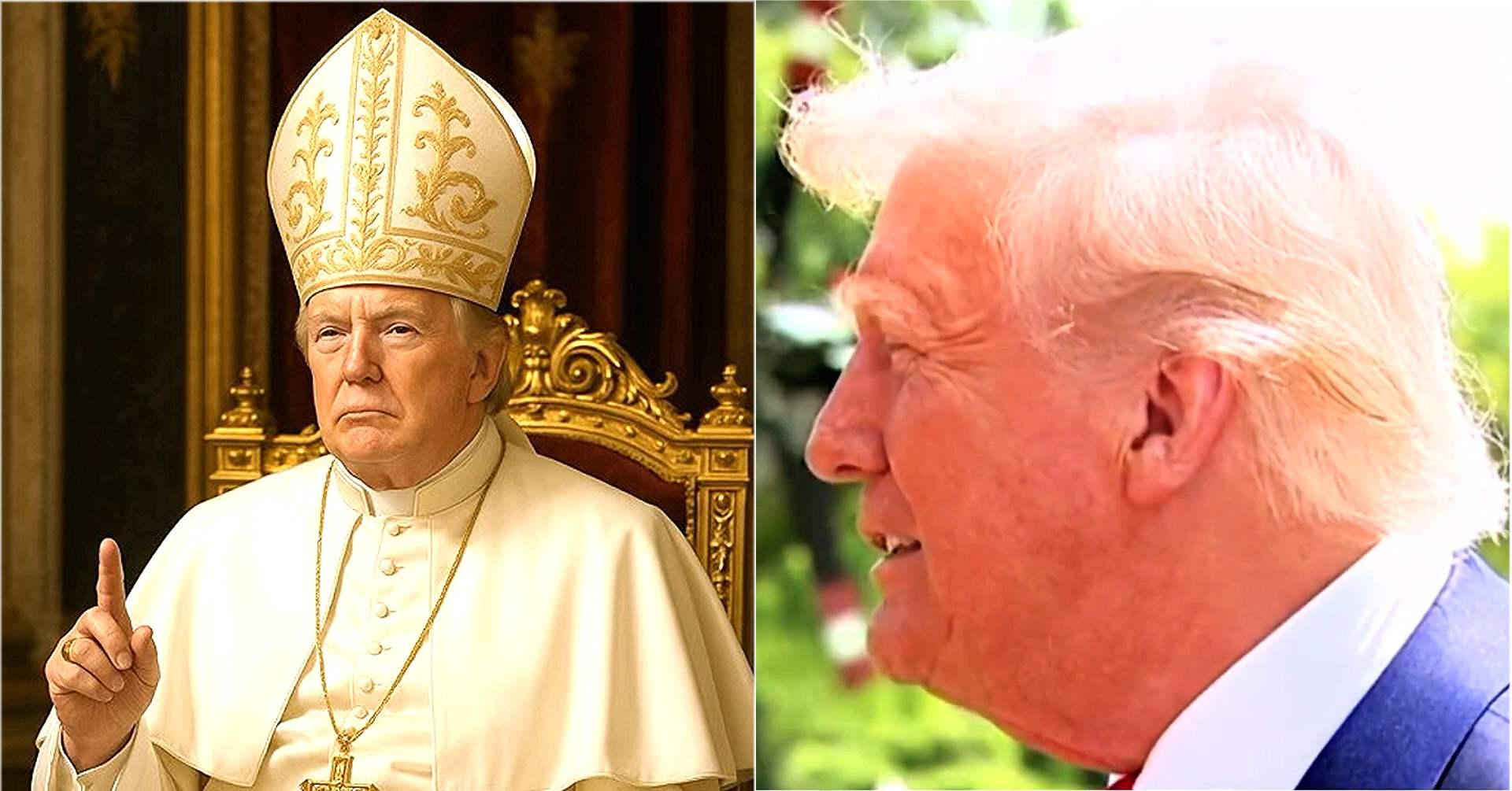
A single AI-generated image shared by Donald Trump has ignited one of the most contentious cultural debates of 2026. The image, posted on his social platform Truth Social, depicted Trump in a white robe, surrounded by a glowing aura, placing his hand on a sick man in a hospital bed—an image widely interpreted as echoing traditional depictions of Jesus Christ healing the infirm.
Within hours, the post triggered intense backlash across political, religious, and media circles. Critics argued the imagery crossed a deeply sensitive boundary by invoking sacred symbolism, while supporters and allies offered mixed reactions. The controversy escalated quickly, ultimately leading to the deletion of the post.
The Image and Its Symbolism
The AI-generated visual was not subtle in its composition. It featured:
- Trump in a white robe with radiant light emanating from his hands
- A patient lying in a hospital bed, appearing to be healed
- Symbolic background elements such as the Statue of Liberty, an American flag, and military imagery
- Additional figures including a nurse, a praying woman, and a soldier
Observers noted that the stylistic elements closely mirrored centuries-old Christian iconography, particularly the motif of Christ as a healer. According to art experts, such use of light and gesture has long been associated with divine representation.
Trump’s Defense: “It Was Me as a Doctor”
Facing mounting criticism, Trump rejected the interpretation that he was portraying himself as a religious figure. Speaking to reporters, he clarified:
“It’s supposed to be as a doctor making people better… And I do make people better. I make people a lot better.”
He further emphasized that the image was connected to healthcare themes and referenced the Red Cross, insisting that the controversy stemmed from misinterpretation and media distortion.
Later, Trump acknowledged removing the post to avoid confusion:
“I didn’t want to have anybody be confused. People were confused.”
Despite this explanation, critics remained unconvinced, arguing that the imagery itself made the interpretation unavoidable.
Megyn Kelly’s Sharp Criticism
Among the most vocal critics was Megyn Kelly, who delivered a pointed critique of Trump’s actions.
She described the image as:
- “absolutely absurd”
- “offensive”
- “blasphemous by any definition of that word”
Kelly went further, accusing Trump of attempting to position himself as divine:
“It is blasphemous by any definition of that word… the act of showing great disrespect, contempt or defiance toward God.”
She also framed the move as politically motivated, suggesting Trump was becoming:
“desperate for attention”
Her criticism extended to a direct demand:
“The president should take down that meme. He should apologize.”
Although the post was eventually deleted, Trump did not issue a formal apology.
Backlash From Supporters and Religious Voices
Notably, the criticism did not come solely from political opponents. Several figures within Trump’s own conservative and religious base expressed strong objections.
- Christian activist Sean Feucht wrote: “This should be deleted immediately… There’s no context where this is acceptable.”
- Commentator Riley Gaines stated: “God shall not be mocked.”
These reactions underscored a critical dimension of the controversy: the potential alienation of religious voters who have historically formed a core part of Trump’s political support.
The Pope Feud and Broader Context
The AI image controversy did not occur in isolation. It emerged amid escalating tensions between Trump and Pope Leo XIV.
Shortly before posting the image, Trump had criticized the pope, calling him:
- “weak on crime”
- “terrible for foreign policy”
The dispute centered partly on geopolitical issues, including criticism of military actions in Iran. Pope Leo XIV responded firmly, stating he had “no fear” of the Trump administration and would continue speaking out.
This broader conflict added a political and ideological layer to the image controversy, intensifying scrutiny of Trump’s messaging.
A Pattern of Controversial Digital Content
The AI-generated image is not an isolated incident. Trump’s social media activity has previously drawn criticism for controversial posts, including content that was later removed after public backlash.
In this case, the use of artificial intelligence added a new dimension. AI tools now enable the rapid creation of highly symbolic and emotionally charged imagery, blurring the line between satire, messaging, and provocation.
The Cultural and Technological Implications
This episode highlights several emerging dynamics:
1. AI as a Political Communication Tool
Artificial intelligence is increasingly being used to craft narratives that are visually compelling but open to interpretation. Political figures can leverage AI to amplify messaging—but also risk misinterpretation at scale.
2. The Sensitivity of Religious Symbolism
Religious imagery remains one of the most sensitive domains in public discourse. Even indirect or unintended references can trigger strong reactions, particularly among faith-based communities.
3. Audience Fragmentation
The backlash revealed divisions not just between political camps, but within Trump’s own support base—especially among religious conservatives.
4. Speed of Digital Backlash
The rapid cycle—from posting to backlash to deletion—illustrates how quickly controversies unfold in the digital age.
What Comes Next?
The long-term political impact of the controversy remains uncertain. Analysts suggest that while such incidents may not significantly shift core voter loyalty, they can influence perception among moderate or undecided groups.
There is also a broader question about regulation and ethical use of AI-generated content in political communication. As these tools become more sophisticated, similar controversies are likely to become more frequent.
Conclusion: A Defining Moment in AI-Driven Politics
The “Donald Trump AI image” controversy represents more than a fleeting social media moment. It reflects a deeper intersection of technology, politics, and culture—where symbolism can carry as much weight as policy.
By blending religious imagery with political identity, the post crossed into territory that many consider sacred. The resulting backlash, including from allies, demonstrates the limits of provocative digital messaging—even in an era defined by viral content.
As AI continues to reshape communication, this episode may serve as a case study in how quickly intention can be overshadowed by interpretation—and how powerful images can redefine public discourse.


