


Ciara Miller’s Glamour Moment: A Cultural Reckoning in Real Time
When Reality TV Becomes Reality
There are moments in pop culture when the line between entertainment and lived experience dissolves completely. Ciara Miller’s 2026 Glamour cover story is one of those moments—less a promotional interview and more a raw, public reckoning with friendship, betrayal, identity, and control.
At the center of it all is a storyline that would feel scripted if it weren’t real: Miller’s ex-situationship, West Wilson, and her close friend Amanda Batula confirmed they were in a relationship. The announcement didn’t just ignite fan speculation—it reframed Miller’s entire narrative on Summer House and beyond.
But what makes this story culturally significant isn’t just the drama. It’s how Miller chose to respond: deliberately, quietly, and on her own terms.
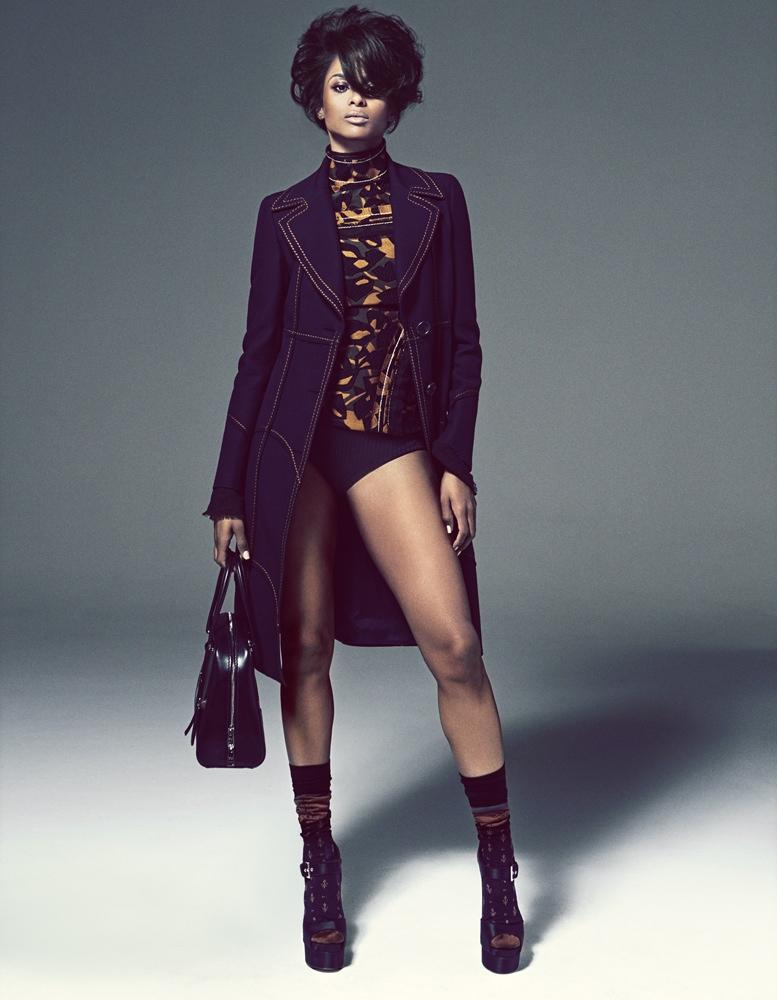
The Glamour Cover That Shifted the Conversation
The Glamour feature arrives at a precise inflection point. Miller, who turned 30 at the end of 2025, had chosen a guiding word for the year: community. Ironically, the months that followed saw that very community fracture and rearrange itself in deeply personal ways.
Her response was not immediate. While her co-stars issued coordinated Instagram statements—“Our connection grew out of a genuine, long-standing friendship…”—Miller stayed silent.
That silence was intentional.
“I want to do it in my way,” she explained, emphasizing a need for control over her own narrative rather than reacting in real time.
This decision marks a subtle but important shift in reality TV culture: the rejection of instant commentary in favor of curated, meaningful expression.
Public Betrayal, Private Processing
The emotional core of the story lies in how the betrayal unfolded—not privately, but in front of an audience.
“It’s one thing to experience hurt behind closed doors,” Miller said. “To experience it so publicly is like another layer… It’s a major mindf***.”
Timing amplified the impact. She received less than 24 hours’ notice before the relationship announcement went live and ultimately read it “with the rest of the world.”
Even the language of the statement stood out to her.
“There’s something about the lack of being able to say each other’s names… that I found very telling.”
For viewers, this detail became symbolic—less about wording, more about accountability and transparency.
Friendship vs. Romance: Where the Real Hurt Lies
One of the most striking aspects of Miller’s interview is her clarity about where the deeper betrayal sits.
“At the end of the day, a guy’s a guy,” she said, referring to Wilson. “But I just never would think that it would come from someone like Amanda.”
This distinction reframes the narrative. While reality TV often emphasizes romantic conflict, Miller’s story highlights the emotional weight of friendship dynamics—particularly when trust is broken within a close circle.
For years, viewers watched Miller and Batula’s bond evolve on-screen: shared spaces, emotional support, and visible loyalty. That history is what makes the rupture resonate far beyond a typical dating storyline.
Identity, Perception, and the Reality TV Lens
Beyond the immediate drama, Miller’s Glamour feature expands into a broader cultural discussion—one that is rarely addressed with such directness on mainstream reality TV.
As a Black woman navigating predominantly white social spaces on television, Miller articulated the layered pressures she faces:
- Being labeled “intimidating” for setting boundaries
- Having her emotions perceived differently than her peers
- Navigating interracial dating with heightened scrutiny
“There’s a lack of awareness of how people of color… have to move in this world,” she said bluntly.
Her reflections challenge a long-standing dynamic in reality TV: the unequal framing of behavior based on race and identity. What might be seen as assertiveness in one cast member is often recast as aggression in another.
Choosing Silence in a Culture of Noise
In an era driven by immediate reactions, Miller’s restraint stands out.
While the internet dissected every development—drawing commentary from celebrities, public figures, and even politicians—she resisted the urge to respond impulsively.
Instead, she redirected attention to causes she cared about, including Trans Day of Visibility and community initiatives.
This approach reflects a calculated understanding of visibility. Miller recognized that her platform had expanded—and chose to use that attention selectively rather than emotionally.
Rejecting the Narrative: Why She Said No to The Bachelorette
As speculation grew, fans began proposing Miller as the next lead of The Bachelorette.
Her response was unequivocal: “Fuck no… I’m way too private.”
This rejection is significant. In a media landscape where personal exposure often translates into opportunity, Miller’s decision signals a boundary—one that prioritizes autonomy over visibility.
She also addressed criticism of her dating history, noting that public judgment is often disproportionate:
“I’ve only technically dated two people publicly… I’m trying to figure out dating.”
A Personal Reset in the Middle of Chaos
Amid the turmoil, Miller reached a milestone that contrasts sharply with the surrounding drama: she purchased her grandparents’ home in North Carolina.
For her, the moment carried symbolic weight—ownership, stability, and continuity, particularly as a single Black woman navigating a high-profile career.
It’s a reminder that while reality TV captures fragments of life, it rarely tells the full story.
What Comes Next: The Reunion and Beyond
With the Summer House Season 10 reunion approaching, Miller described the experience as “mental warfare”—a delayed confrontation where past actions are revisited under scrutiny.
Her expectations are measured. Her emotions, evolving.
“It’s a weird flow of what you thought… versus what they actually are.”
What remains consistent is her approach: intentional, controlled, and increasingly self-defined.
Conclusion: Letting the Universe Handle It
Ciara Miller’s Glamour feature is more than a celebrity profile—it’s a study in composure under pressure.
In a space where reaction often defines relevance, she has chosen a different path: patience, clarity, and selective engagement.
Her closing perspective captures the essence of that approach:
“What’s done in the dark always comes to light… sometimes you really don’t even have to do anything except sit back and let the universe handle it all.”
That philosophy may ultimately be what distinguishes this moment—not the scandal itself, but the way it was handled.


