

Jane Fonda Movies: The Films That Defined a Hollywood Icon
Few performers in Hollywood history have reinvented themselves as successfully — or as publicly — as Jane Fonda. Across more than six decades in film, the two-time Academy Award winner evolved from glamorous 1960s screen sensation into one of cinema’s most politically outspoken and culturally influential figures.
In recent weeks, Fonda has once again returned to headlines following emotional public reflections on her late ex-husband Ted Turner, the CNN and Turner Classic Movies founder who died at age 87 in May 2026. During appearances at the TCM Classic Film Festival and in deeply personal tributes, Fonda not only reflected on Turner’s life, but also underscored the enduring importance of classic cinema itself.
“My favorite ex-husband created Turner Classic Movies — that was Ted Turner,” Fonda said during the festival. “On our very first date, he talked to me all about Turner Classic Movies, and I do think it was one of the great things he did.”
That statement served as a reminder of Fonda’s own towering cinematic legacy — one built through fearless performances, genre-defining films, political controversy, and remarkable reinvention.
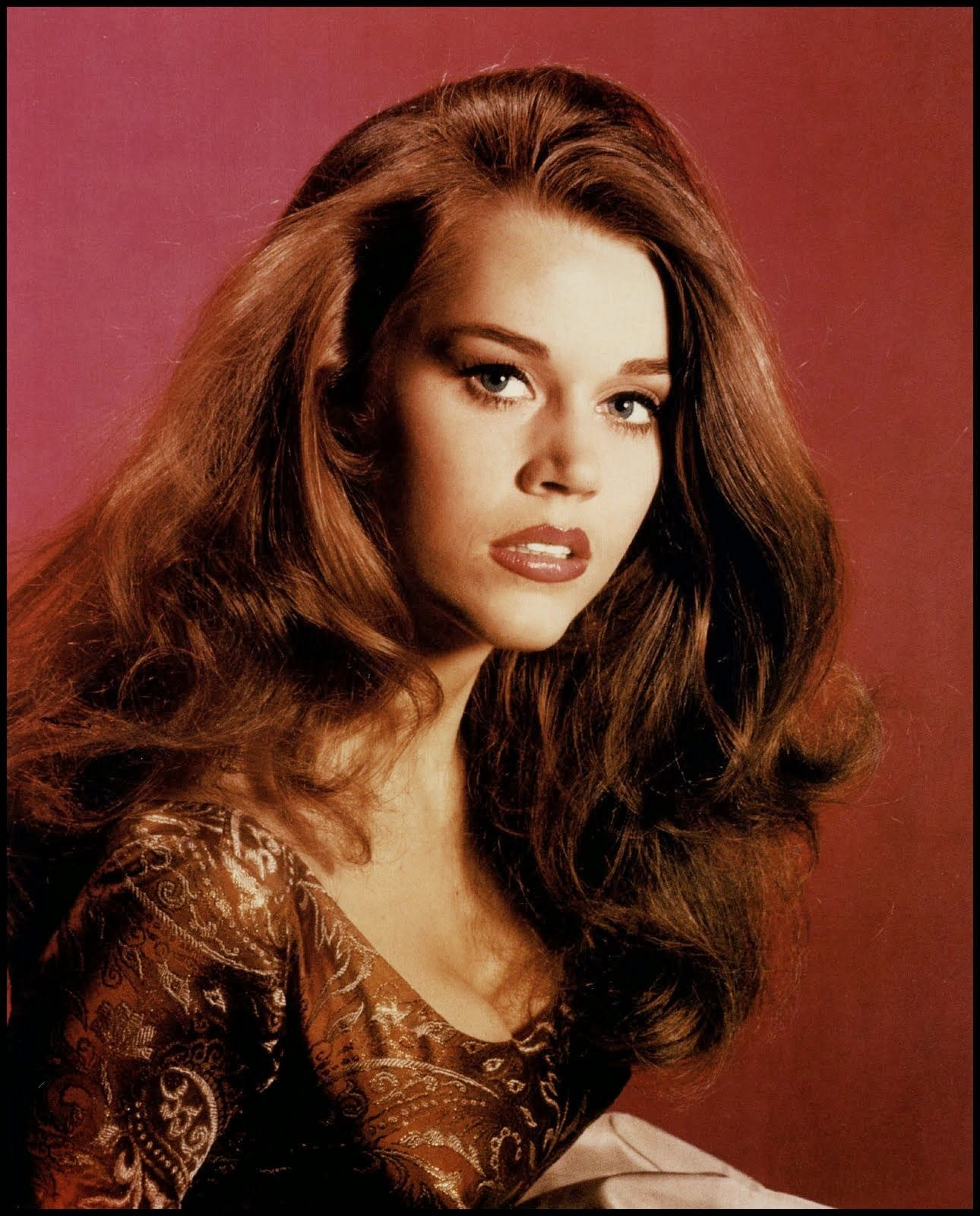
From Hollywood Royalty to Screen Stardom
Born into one of America’s most famous acting families, Jane Fonda entered Hollywood carrying the weight of her father Henry Fonda’s legendary reputation. But rather than simply following his path, she created a career uniquely her own.
Her early films in the 1960s established her as both a dramatic actress and a glamorous international star. Movies like:
- Tall Story (1960)
- Sunday in New York (1963)
- Cat Ballou (1965)
- Barefoot in the Park (1967)
- Barbarella (1968)
helped transform her into one of the era’s defining screen personalities.
While Barbarella initially divided critics, the psychedelic science-fiction film eventually became a cult classic and permanently cemented Fonda in pop culture history. Its futuristic costumes, surreal visuals, and provocative style made it one of the most recognizable films of the late 1960s.
The 1970s: Jane Fonda’s Most Powerful Era
The 1970s marked the period when Fonda evolved from movie star into serious dramatic force.
Her performances during this decade tackled subjects that many mainstream films avoided, including economic struggle, political trauma, war, and emotional isolation.
Klute (1971)
Fonda won her first Academy Award for Best Actress playing Bree Daniels, a New York call girl caught in a psychological thriller alongside Donald Sutherland.
The performance became one of the defining portrayals of the New Hollywood era — restrained, vulnerable, intelligent, and emotionally layered.
Coming Home (1978)
Her second Oscar-winning performance arrived with Coming Home, a Vietnam War drama co-starring Jon Voight and Bruce Dern.
The film explored the emotional consequences of war through the perspective of veterans and military families, mirroring many of the anti-war conversations that also surrounded Fonda’s real-life activism during the era.
The China Syndrome (1979)
In one of her most politically charged films, Fonda starred opposite Michael Douglas and Jack Lemmon in a thriller centered on a possible nuclear power plant disaster.
The movie gained even greater cultural significance after the real-life Three Mile Island nuclear accident occurred just weeks after its release.
Activism and Controversy Changed Her Career
Unlike many Hollywood stars who separated politics from entertainment, Jane Fonda became one of the most outspoken celebrity activists in America.
Her opposition to the Vietnam War generated fierce criticism, especially after controversial photographs taken during her 1972 visit to North Vietnam. The backlash followed her for decades and significantly affected public perceptions of both her and her movies.
Yet even amid political controversy, Fonda’s career continued producing acclaimed work.
Films like:
- Julia (1977)
- 9 to 5 (1980)
- On Golden Pond (1981)
showed her range across political drama, workplace comedy, and emotional family storytelling.
9 to 5: A Comedy That Became a Cultural Landmark
Among Jane Fonda movies, few achieved the long-term cultural impact of 9 to 5.
Starring alongside Lily Tomlin and Dolly Parton, Fonda helped create one of the most influential workplace comedies ever produced. The film tackled sexism, workplace inequality, and corporate power through humor — themes that remain highly relevant decades later.
The movie became:
- A major box office success
- A feminist pop-culture milestone
- A long-running television adaptation
- A Broadway musical
Its enduring popularity reflects Fonda’s ability to combine entertainment with social commentary — a hallmark of many of her best films.
Reinvention Through the 1980s and Beyond
By the mid-1980s, Fonda expanded her public identity once again through her enormously successful fitness empire.
Her workout videos became global bestsellers and transformed home fitness culture, introducing Fonda to an entirely new generation beyond movie audiences.
At the same time, her film appearances became less frequent, though she still delivered strong performances in projects like:
- The Morning After (1986)
- Stanley & Iris (1990)
In 1991, she married media mogul Ted Turner, founder of CNN, TBS, TNT, and Turner Classic Movies. Their relationship became one of Hollywood’s most prominent power pairings of the 1990s.
Fonda later reflected warmly on their connection despite their eventual divorce.
“We had a great time for 10 years,” she once said.
Why Turner Classic Movies Mattered to Jane Fonda
In recent appearances surrounding Ted Turner’s death, Fonda repeatedly emphasized the importance of preserving classic films and film history.
During the 2026 TCM Classic Film Festival, longtime TCM host Ben Mankiewicz asked why Turner Classic Movies still matters in the streaming era.
Fonda answered:
“We need to know what it used to be like. We need to know what the greats were like — the great directors, the great actresses, the great actors. We want to see how people used to behave.”
She even described how one young viewer from a disadvantaged background learned social behavior and etiquette through watching classic films on TCM.
Her comments highlighted a growing debate in Hollywood about:
- Film preservation
- The future of classic cinema
- Streaming-era viewing habits
- The cultural value of older movies
For Fonda, classic films are not simply entertainment — they are cultural memory.
Late-Career Revival and Streaming Success
In the 2000s and 2010s, Jane Fonda experienced yet another career resurgence.
Movies such as:
- Monster-in-Law (2005)
- Youth (2015)
- Book Club (2018)
introduced her to younger audiences while reaffirming her screen charisma and comedic timing.
Her Netflix series Grace and Frankie, co-starring Lily Tomlin, became one of streaming television’s most beloved long-running comedies.
The show also represented something increasingly rare in Hollywood: a major production centered around older women navigating aging, friendship, independence, and reinvention.
The Lasting Legacy of Jane Fonda Movies
What makes Jane Fonda’s filmography remarkable is not simply the number of acclaimed movies she appeared in, but the way her career mirrored changing American culture itself.
Her films touched on:
- Women’s independence
- Political activism
- Corporate sexism
- War trauma
- Environmental awareness
- Aging and reinvention
Even her personal life frequently intersected with cinema history. In recent tributes to Ted Turner, Fonda described him as “a gloriously handsome, deeply romantic, swashbuckling pirate” who helped shape both her confidence and worldview.
She also reflected on the deeper emotional connection they shared:
“To be needed and cared for simultaneously is transformative,” she wrote.
Those same emotional complexities — vulnerability, resilience, ambition, independence — have defined many of the greatest Jane Fonda movies throughout her career.
Conclusion
Jane Fonda remains one of Hollywood’s rare true icons: an actress whose work transcended genres, decades, and political eras.
From the camp spectacle of Barbarella to the emotional realism of Klute and Coming Home, from feminist comedy in 9 to 5 to modern streaming success in Grace and Frankie, her career continues to shape conversations about film, culture, activism, and aging in Hollywood.
And as debates continue about preserving classic cinema in the digital age, Fonda’s recent defense of Turner Classic Movies serves as both a tribute to Ted Turner and a broader reminder of why film history still matters.
“We need to know what the greats were like,” she said.
For generations of moviegoers, Jane Fonda herself remains one of those greats.


