

75% of Americans Prefer Texting Their Mothers Over Calling, Carrier Data Reveals
In an era dominated by smartphones, instant messaging, and digital communication, even one of the most personal family traditions is changing. According to newly released data from AT&T ahead of Mother’s Day 2026, Americans are now overwhelmingly more likely to text their mothers than call them.
The carrier’s findings paint a vivid picture of how modern communication habits continue to evolve. While Mother’s Day remains one of the most emotionally significant holidays in the United States, the way people connect with their mothers is increasingly shifting away from traditional phone conversations and toward quick, constant digital messaging.
AT&T revealed that Americans send their mothers three texts for every one phone call, with 75% of people preferring texting over calling altogether. The data highlights not only changing technology habits, but also broader cultural shifts in how families maintain relationships in a mobile-first world.
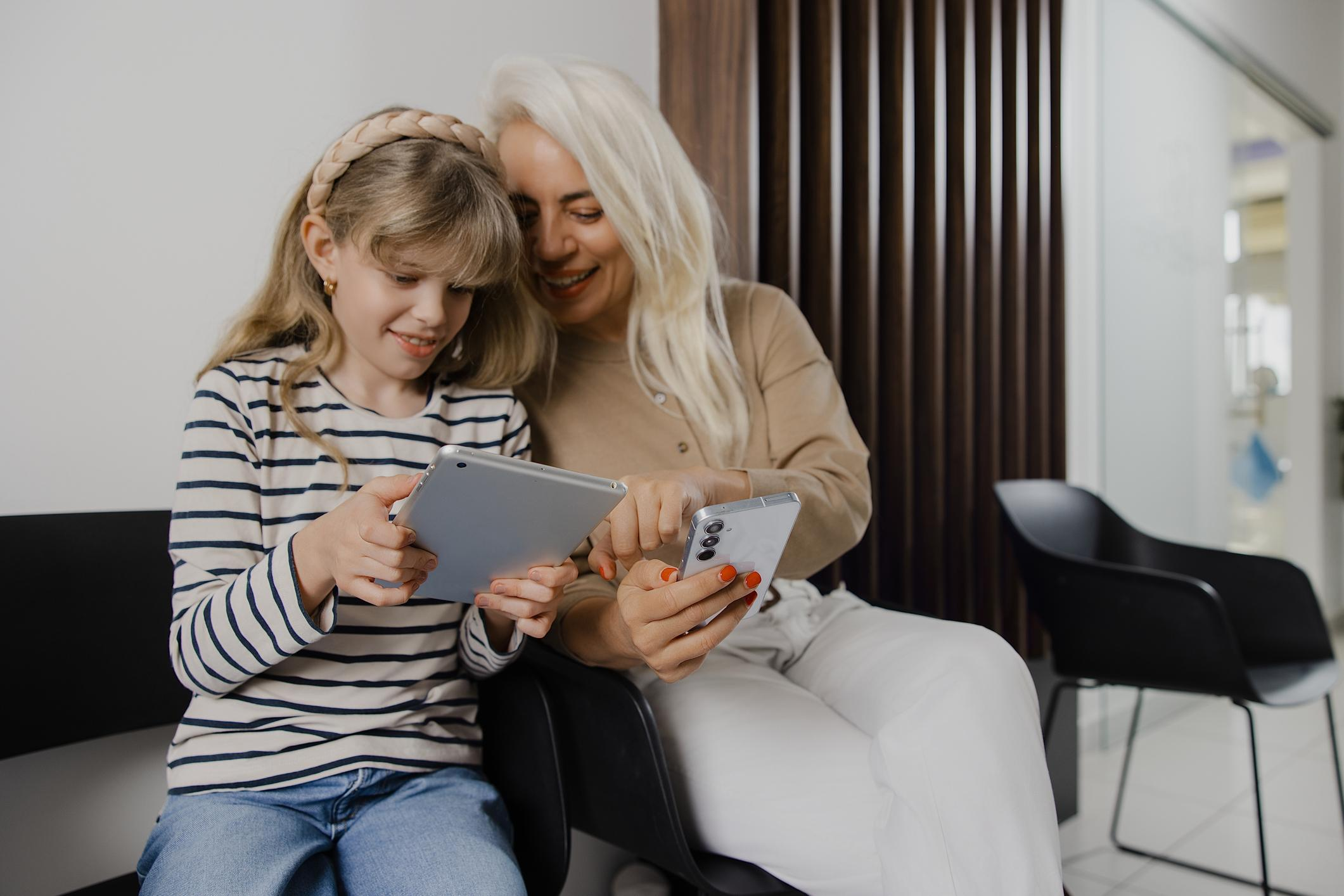
A Digital Mother’s Day Is Now the Norm
For decades, a Mother’s Day phone call was considered almost mandatory. Long-distance calls, heartfelt conversations, and family catch-ups traditionally defined the holiday. But smartphones and messaging platforms have gradually transformed that ritual into something faster, more casual, and more frequent.
The AT&T data suggests texting has become the preferred form of communication for most Americans because it fits seamlessly into modern lifestyles. Unlike calls, texts allow people to stay connected throughout the day without requiring both sides to pause everything for a conversation.
The statistics are striking:
- 75% of Americans prefer texting their mothers over calling
- Americans send three texts for every one phone call to their mothers
- Houston, San Antonio, and Chicago ranked as the top cities for Mother’s Day communication in both 2024 and 2025
- Houston led the nation with nearly three million more texts and calls than any other city
- Six of the top 10 cities connecting with mothers were located in the Southern United States
The findings reveal how digital communication is increasingly tied to emotional connection rather than replacing it.
Why Texting Has Become Dominant
The popularity of texting is closely linked to how communication habits have evolved over the last decade.
Younger generations, particularly Millennials and Gen Z, have largely grown up with messaging apps and mobile texting as their default communication method. Even older generations have gradually adapted to texting thanks to smartphones becoming more accessible and user-friendly.
Several factors explain the shift:
Convenience and Flexibility
Texting allows people to communicate without interrupting work, commuting, parenting, or other responsibilities. A quick “Happy Mother’s Day” message can be sent instantly from almost anywhere.
Continuous Communication
Rather than one long phone call, many families now maintain ongoing conversations through multiple short texts throughout the day. Photos, emojis, videos, and voice notes also create a more dynamic interaction.
Reduced Pressure
For some people, texting feels less emotionally demanding than a phone call. Messaging allows users to respond at their own pace while still maintaining closeness.
Multimedia Sharing
Modern messaging platforms make it easy to share family pictures, holiday memories, greeting cards, and videos instantly — something traditional calls cannot provide.
Houston Emerges as America’s Most Connected City for Moms
One of the most surprising aspects of the AT&T report was the dominance of Houston in Mother’s Day communication activity.
According to the carrier, Houston generated nearly three million more texts and calls than any other city in the country. San Antonio and Chicago followed behind to complete the top three.
The strong showing from Southern cities is notable. AT&T reported that six out of the top 10 cities most actively connecting with mothers are located in the South.
Cultural emphasis on family ties may partially explain the trend. Southern states have historically placed strong importance on family-centered holidays and traditions, and the data suggests those values remain deeply embedded even as communication methods modernize.
Mother’s Day Spending Hits Record Levels
The communication data arrives alongside another major Mother’s Day trend: Americans are spending more money than ever to celebrate mothers and maternal figures.
According to a separate survey from the National Retail Federation and Prosper Insights & Analytics, Mother’s Day spending in 2026 is projected to hit a record-breaking $38 billion.
That figure surpasses:
- $34.1 billion spent last year
- The previous record of $35.7 billion set in 2023
The survey, conducted among 7,877 U.S. adults between April 1 and April 8, found that 84% of Americans plan to celebrate Mother’s Day this year.
Consumers are expected to spend an average of $284.25 per person, another all-time high and a sharp increase from last year’s $259.04 average.
“Mother’s Day remains a priority for many Americans, and they plan to lean into the holiday despite current economic uncertainty,” NRF Chief Economist Mark Mathews said in a statement.
The data reflects a broader pattern in American consumer behavior: emotional and family-centered holidays continue to remain resilient even during periods of inflation and economic uncertainty.
Flowers, Jewelry, and Electronics Lead Spending
Traditional gifts remain popular, but newer trends are reshaping the Mother’s Day marketplace.
The NRF survey found:
- 75% of shoppers planned to buy flowers
- 74% intended to purchase greeting cards
- Special outings such as brunch or dinner remained highly popular
- Gift cards and clothing also ranked among the top choices
However, several categories stood out financially.
Jewelry Leads Spending
Jewelry is projected to account for $7.5 billion in spending, making it the largest Mother’s Day category.
Experiences Continue to Grow
Special outings are expected to generate $6.4 billion, showing that many families now prioritize shared experiences over physical products.
Electronics Reach Historic Levels
Electronics spending is projected to exceed $4 billion for the first time in survey history.
That surge aligns closely with the communication trends identified by AT&T. Smartphones, tablets, smartwatches, wireless earbuds, and other connected devices increasingly play a role in keeping families connected across distances.
The Rise of Experience-Based Gifts
One of the most important changes highlighted by the retail survey is the growing popularity of experiences over traditional presents.
Roughly one-third of consumers said they planned to give experiences such as:
- Concert tickets
- Sporting event passes
- Travel outings
- Dining experiences
This marks a record high for experience-based gifting.
The trend reflects changing consumer priorities, especially among younger adults who often value memories and shared moments more than material possessions.
Combined with texting culture, it points toward a broader transformation in how emotional connection is expressed in the digital age.
Online Shopping Continues to Dominate
Retail behavior is also evolving rapidly.
The survey found online shopping and department stores tied as the top destinations for Mother’s Day purchases, with 33% of shoppers planning to use each option.
E-commerce continues to reshape holiday shopping habits because of:
- Faster delivery
- Personalized recommendations
- Convenience
- Mobile purchasing options
- Expanded gift selection
The growth of online shopping mirrors the broader digital transformation taking place in communication itself.
Privacy Concerns Spark Online Debate
While AT&T’s findings generated interest and amusement online, they also sparked privacy concerns among some readers.
Several commenters questioned how telecommunications companies determine communication patterns involving family relationships.
Some online users expressed discomfort with the idea that carriers could analyze large-scale behavioral data involving personal communications. Others raised broader concerns about data collection, artificial intelligence, and surveillance.
Telecommunications companies typically rely on aggregated and anonymized metadata analysis rather than reading message content directly. However, growing public awareness about digital privacy continues to shape reactions to large-scale consumer data reports.
The debate highlights an increasingly important issue in the modern technology landscape: consumers want convenience and personalization, but they also want greater transparency regarding how their data is analyzed and used.
A Reflection of Modern Family Relationships
Despite concerns over data privacy, the AT&T report ultimately reveals something deeply human: Americans still prioritize staying connected with their mothers, even if the methods have changed dramatically.
Today’s Mother’s Day communication may involve fewer long conversations and more quick messages, emojis, GIFs, selfies, and photo updates. Yet the emotional purpose remains the same.
Texting has not necessarily replaced closeness — it has simply transformed how closeness is maintained.
As smartphones continue to dominate daily life, future Mother’s Day traditions will likely become even more digitally integrated. Video calls, AI-powered messaging assistants, augmented reality greetings, and personalized digital experiences may all become part of how families celebrate.
For now, one thing is clear: in modern America, sending a text to mom has become just as meaningful as picking up the phone.


