

Solar Panel Theft in South Africa: A Growing Threat to the Renewable Energy Transition
The Hidden Crisis Undermining Solar Adoption
South Africa’s shift toward renewable energy is facing an unexpected and increasingly disruptive obstacle: the theft of solar panels and related equipment. As households and businesses invest heavily in solar power to escape rising electricity costs and persistent outages, organised criminal syndicates are targeting these installations with growing sophistication.
What was once considered a niche security concern has now evolved into a national issue affecting consumer confidence, energy policy, and the broader clean energy transition.
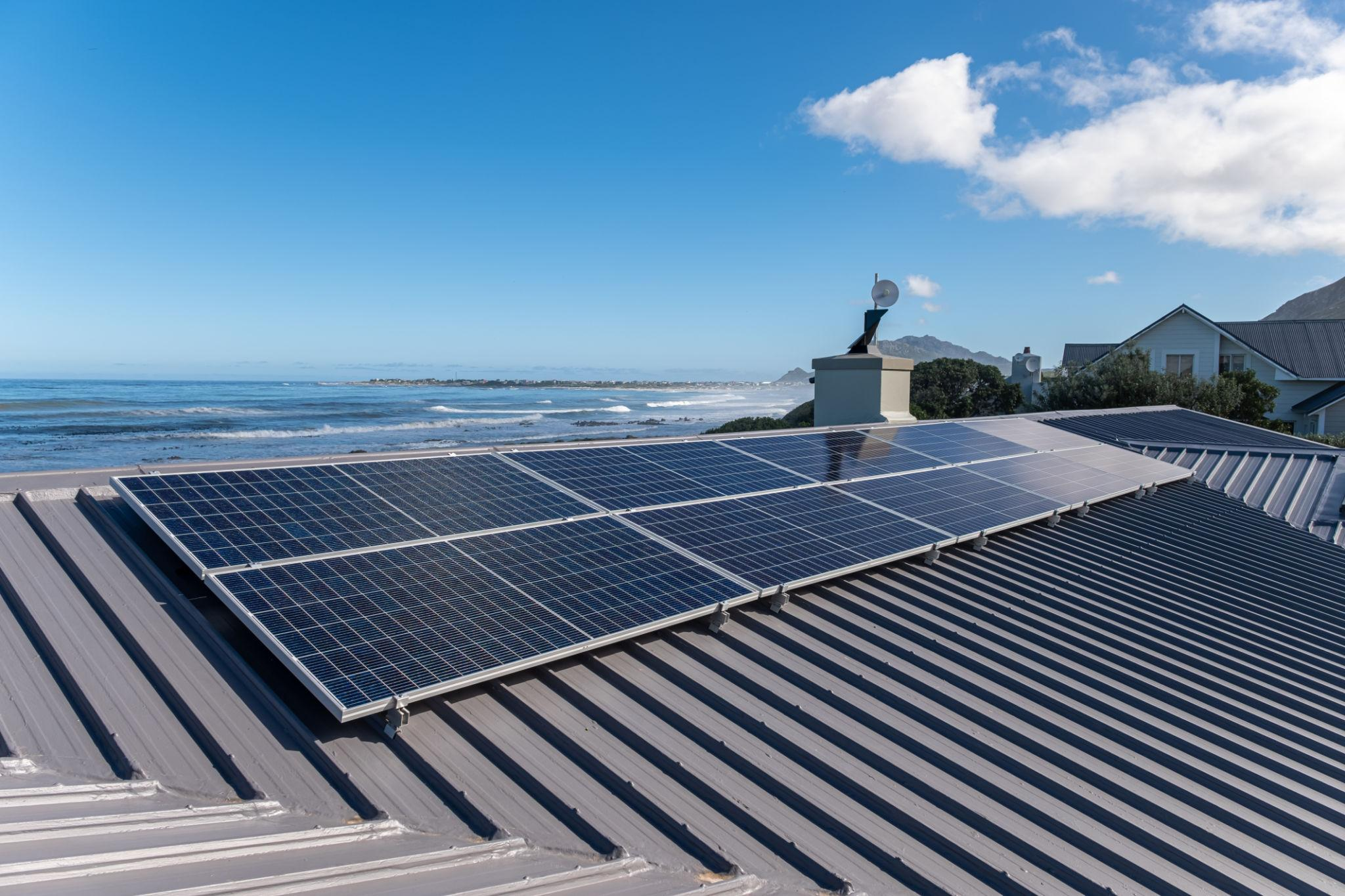
Why Solar Installations Are Becoming Prime Targets
Solar systems have rapidly transformed into high-value assets. Rooftop panels, lithium-ion batteries, and inverters represent significant financial investments, often worth tens of thousands of rand. Their visibility and accessibility make them particularly vulnerable.
Rodney Taylor, Managing Director of Guardian Eye, highlighted the opportunistic nature of these crimes, stating:
“There’s always going to be the opportunity for people to look at opportunities to steal the panels.”
Criminals are not only targeting installed systems but also exploiting weaknesses across the supply chain. Theft frequently occurs during transportation, at storage facilities, and even before installations are completed.
Outlying and less secure areas are especially at risk, where surveillance and rapid response capabilities are limited.
Organised Crime and the Expansion of Solar Theft Networks
The scale and coordination of these thefts point to organised criminal syndicates rather than isolated incidents. These groups specifically target solar panels and lithium-ion batteries due to their high resale value and increasing demand.
This trend signals a shift in criminal activity, where renewable energy infrastructure is now part of a broader underground economy.
The implications extend beyond financial loss. As theft becomes more frequent, insurance risks rise, installation costs increase, and the overall attractiveness of solar investment declines.
Fear as a Barrier to Renewable Energy Adoption
Perhaps the most significant impact of solar panel theft is psychological. Fear of losing expensive equipment is now a major deterrent preventing households from adopting solar energy.
Research conducted in South Africa’s Eastern Cape found that most households—across both high-income and low-income groups—are hesitant to install solar systems due to theft concerns.
The effect varies by income level:
- High-income households worry about protecting valuable installations, often located on isolated properties.
- Low-income households face an even greater risk: the inability to replace stolen systems, making the financial loss catastrophic.
This shared concern is slowing adoption rates, even as demand for alternative energy remains high due to persistent power outages and rising electricity costs.
Regulatory Pressure Compounds the Problem
Solar theft is not the only challenge facing the sector. Increasingly complex regulatory frameworks are adding further friction to adoption.
In Johannesburg, for example, a six-step approval process for Small Scale Embedded Generation (SSEG) systems has been introduced. Applicants must navigate multiple stages, including:
- Obtaining an electricity supply application number
- Submitting a solar PV application
- Undergoing site inspections
- Completing compliance documentation
- Waiting for both pre-approval and final approval
Critics argue that these bureaucratic requirements discourage investment. Wayne Duvenage, CEO of the Organisation Undoing Tax Abuse (OUTA), warned that such processes risk turning solar adoption into an administrative burden.
At the same time, cost pressures are increasing. Prepaid electricity users are often required to switch to postpaid billing, raising fixed monthly fees from approximately R230 to around R1,200.
Together, theft risks and regulatory complexity create a dual barrier that slows the country’s renewable energy transition.
Technology Steps In: AI and Drones for Protection
As theft escalates, the security industry is responding with advanced technological solutions.
Artificial intelligence is becoming a central tool in monitoring and protecting solar assets. According to Taylor:
“AI is now dominating the security industry when it comes to protecting assets… our AI is getting smarter, especially around the protection of panels.”
Drone surveillance is also emerging as a powerful deterrent. By enabling remote monitoring and rapid response, drones can significantly improve security coverage, particularly in remote or high-risk areas.
These innovations are becoming more accessible and cost-effective, offering a scalable solution to a growing problem.
Practical Security Measures for Homeowners
While high-tech solutions are gaining traction, basic security measures remain essential.
Insurance providers and security experts recommend several practical steps:
- Installing electric fencing, motion sensors, and security lighting
- Using tamper-resistant bolts and secure mounting systems
- Locking away tools such as ladders and equipment that could aid theft
- Integrating solar systems into broader home security setups
- Securing batteries and inverters in locked enclosures
- Ensuring systems are properly insured and certified
Wynand van Vuuren from King Price emphasised that proper security is one of the most effective deterrents, particularly when combined with real-time monitoring systems.
Rethinking Solar Deployment: The Case for Mini-Grids
Beyond individual security, some experts are advocating structural changes to how solar energy is deployed.
One promising solution is the use of solar mini-grids—centralised systems shared by multiple households. These systems offer several advantages:
- Improved security through centralised protection
- Reduced costs by sharing infrastructure
- Greater accessibility for households without suitable rooftops
- Stronger community engagement and management
Mini-grids have already proven effective in countries like Zambia, Nigeria, and Somalia, suggesting a viable path forward for South Africa.
A Sector Under Pressure
South Africa’s solar industry now faces pressure from multiple fronts: rising criminal activity, increasing regulatory complexity, and growing cost burdens.
Despite these challenges, the demand for solar energy remains strong. The country’s reliance on coal—still accounting for roughly 74% of electricity generation—and the persistent instability of the national grid make renewable energy not just desirable, but necessary.
However, without effective solutions to theft and policy constraints, the pace of adoption is likely to remain constrained.
Conclusion: Securing the Future of Solar Energy
Solar panel theft in South Africa is more than a security issue—it is a systemic challenge that threatens the country’s transition to sustainable energy.
Addressing it will require a coordinated response involving:
- Stronger security infrastructure
- Smarter use of technology
- Policy reforms that reduce administrative barriers
- Innovative deployment models like mini-grids
If these measures are implemented effectively, South Africa can protect its growing solar investments and maintain momentum toward a cleaner, more resilient energy future.


