

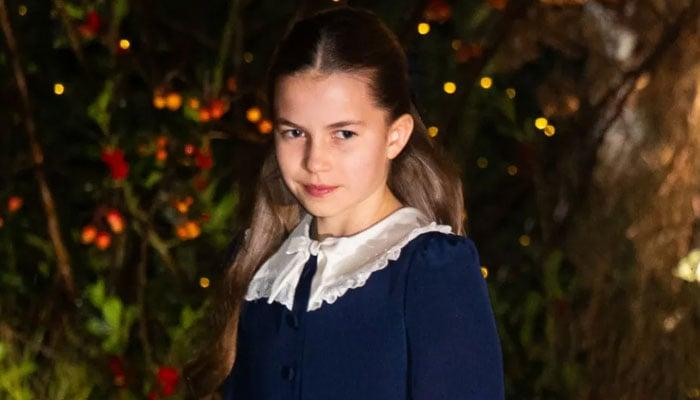
Princess Charlotte at 11: A Birthday That Reflects a Changing Royal Era
A Milestone Marked With Intimacy and Modernity
Princess Charlotte, the only daughter of Prince William and Catherine, Princess of Wales, has turned 11—an age that marks not just another birthday, but a subtle milestone in the evolution of the modern British monarchy.
Celebrated on May 2, 2026, the occasion was commemorated in a distinctly contemporary royal fashion: through a pair of personal, carefully curated social media posts that offered both a formal portrait and a candid glimpse into her private life. The tone was intimate, the imagery relaxed, and the message unmistakable—this is a royal childhood being shaped as much by normalcy as by tradition.
A Portrait of Youth and Identity
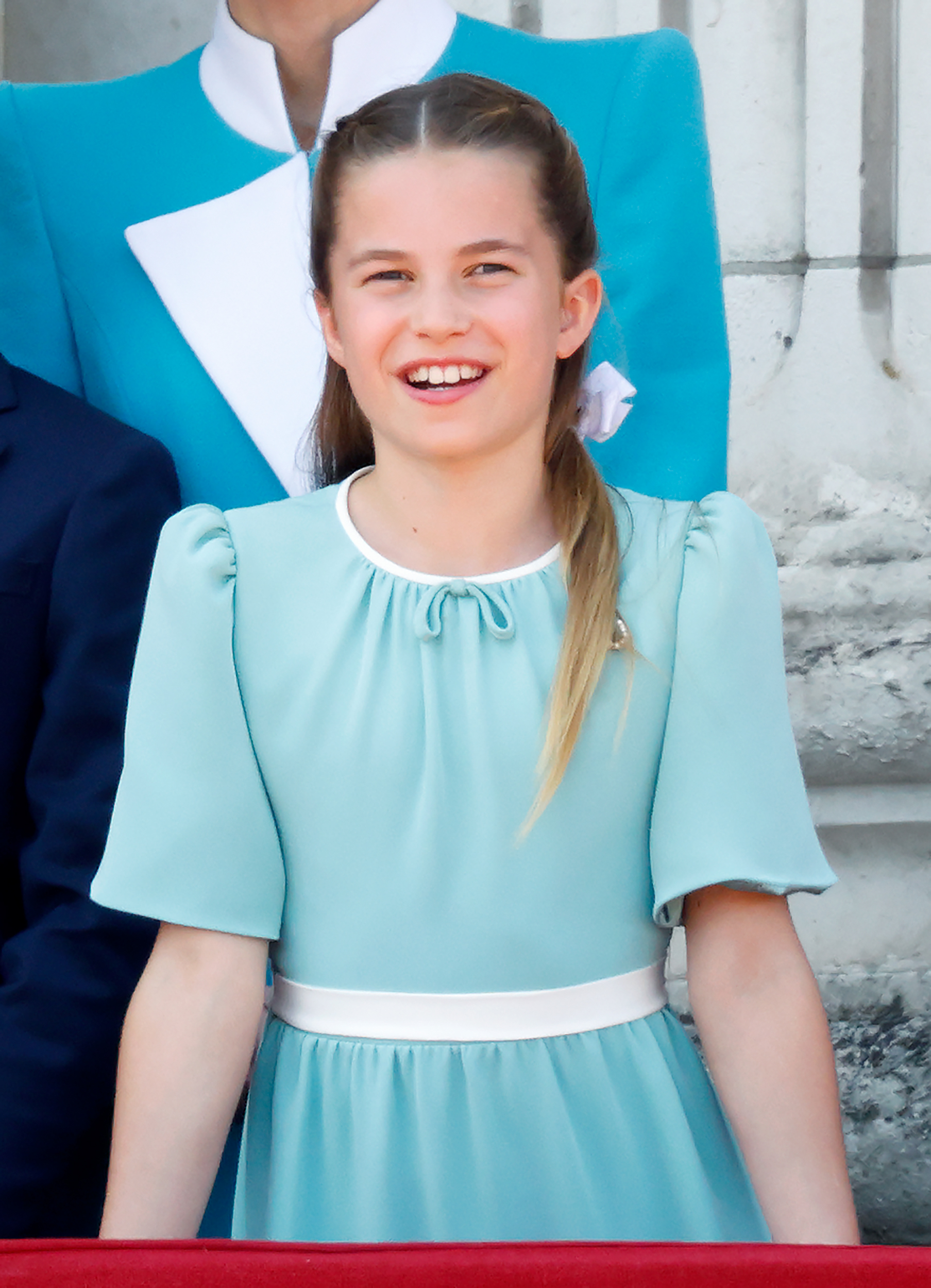
The first birthday post featured a striking yet simple image: Charlotte standing in a field of flowers, smiling warmly at the camera. The caption read, “Wishing Charlotte a very happy 11th birthday! 🎂”
The photograph, taken by royal photographer Matt Porteous during a family trip to Cornwall, presented a more natural and unguarded version of royal life. Charlotte appeared in a striped sweater and jeans, blending effortlessly into the pastoral setting—an intentional departure from the more formal portraits of previous generations.
The visual message was clear: the Wales family continues to redefine royal imagery by emphasizing authenticity over ceremony.
A Glimpse Into Private Life
Complementing the portrait was a second post—a short video montage that offered a candid look at Charlotte’s personality and daily life. In the clips, she is seen playing on the beach, interacting with the family’s dogs, and enjoying outdoor activities.
The accompanying caption read, “Thank you for the lovely birthday messages for Princess Charlotte, 11 today!”
The footage shows Charlotte bowling a cricket ball, writing messages in the sand with seashells, and laughing alongside her pets, Orla and Otto.
These moments, seemingly ordinary, are carefully chosen to reinforce a broader narrative: a royal upbringing grounded in family life, nature, and simplicity.
Born Into a Changing Monarchy
Charlotte Elizabeth Diana was born on May 2, 2015, at St. Mary’s Hospital in London—the same hospital where her brothers, Prince George and Prince Louis, were also born.
As the second child of Prince William and Kate, she occupies a significant position in the royal hierarchy. She is currently third in line to the British throne, following her father and her older brother George.
Yet Charlotte’s importance extends beyond her place in succession. Her birth represented a historic turning point: she became the first British princess to retain her position in the line of succession despite having a younger brother, thanks to the Succession to the Crown Act 2013.
This legal reform eliminated centuries-old gender bias, making Charlotte a living symbol of a more equal monarchy.
Growing Up in Public—But on Her Own Terms
At 11, Charlotte is navigating a unique balance between public visibility and private childhood. She attends Lambrook School near Windsor alongside her brothers, where she participates in a wide range of activities typical for children her age.
Observers often describe her as confident, composed, and “wise beyond her years,” with a natural ease during public appearances.
Whether attending Wimbledon, royal ceremonies, or holiday services, Charlotte has demonstrated a calm presence that has drawn comparisons to both her father and her great-grandmother, Queen Elizabeth II.
At the same time, her parents have made deliberate choices to shield her from excessive exposure. The family’s move to Adelaide Cottage in Windsor reflects a broader effort to provide their children with privacy and a more grounded upbringing.
Family Moments and Royal Timing
Charlotte’s birthday this year arrives amid a cluster of family milestones. Just days earlier, Prince William and Kate celebrated their 15th wedding anniversary on April 29, sharing a family portrait taken during the same Cornwall trip.
Her younger brother, Prince Louis, celebrated his eighth birthday on April 23, while Prince George will turn 13 later in July.
These closely spaced celebrations highlight the rhythm of family life within the royal household—one that blends tradition with modern family values.
The Wales family was last seen publicly on Easter Sunday at St. George’s Chapel in Windsor, where Charlotte appeared alongside her parents and siblings, smiling and waving to well-wishers.
A Childhood Between Tradition and Transformation
Charlotte’s upbringing reflects a monarchy in transition. On one hand, she remains deeply embedded in royal tradition—her title, her position in the line of succession, and her future responsibilities are all part of a centuries-old institution.
On the other hand, her daily life—school, hobbies, outdoor play, and family routines—mirrors that of many children her age.
This duality is perhaps most visible in how her birthdays are celebrated: a blend of official acknowledgment and private family moments, sometimes even including homemade cakes prepared by her mother.
It is a careful balancing act—preserving the dignity of the Crown while adapting to the expectations of a modern audience.
The Significance of Turning 11
Turning 11 may seem like a modest milestone, but for Princess Charlotte, it marks a moment of increasing visibility and identity formation.
She is no longer simply the young child seen on palace balconies; she is beginning to emerge as an individual with her own personality, interests, and public presence.
At the same time, her role within the monarchy—though still years away from formal responsibility—is becoming more defined.
Looking Ahead: A Princess Shaping the Future
As Princess Charlotte enters her second decade, she embodies both continuity and change within the British royal family.
Her life story is already intertwined with significant shifts in royal tradition—from gender equality in succession to a more open and relatable public image.
The careful way her parents manage her exposure suggests a long-term strategy: preparing her for future duties while preserving as much of her childhood as possible.
For now, however, the focus remains simple—a young girl celebrating her birthday surrounded by family, nature, and quiet moments of joy.


