
A Legacy Rewritten: The Dramatic “Ansh Gujral Entry” That Changed Kyunki 2
Introduction: When the Past Walks Back In
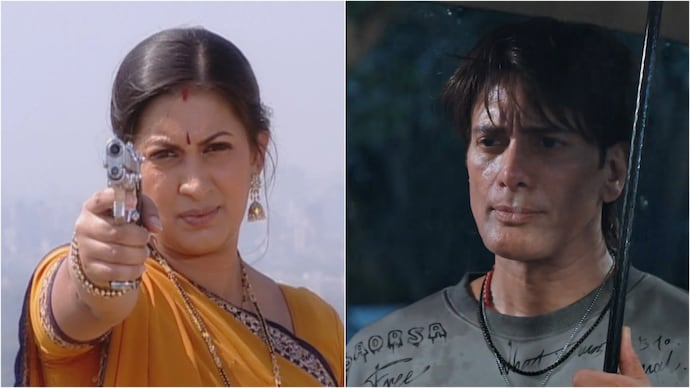
Few characters in Indian television history have left as deep an imprint as Ansh Gujral from Kyunki Saas Bhi Kabhi Bahu Thi. Known for his dark, volatile persona and explosive storyline, Ansh’s arc ended memorably when Tulsi shot him—closing one of the most controversial chapters in the show’s original run.
But in 2026, that legacy has returned in an unexpected and provocative way.
The “Ansh Gujral entry” in Kyunki Saas Bhi Kabhi Bahu Thi 2 is not a simple comeback—it is a narrative reinvention that has reignited nostalgia, sparked debate, and reshaped the show’s current trajectory.
The Original Legacy of Ansh Gujral
Before examining the new entry, it’s crucial to understand the weight of the character.
Ansh Gujral, portrayed by Akashdeep Saigal, was one of the most iconic villains in Indian television. His storyline was defined by manipulation, conflict, and a deeply troubled relationship with the Virani family—particularly Tulsi.
His dramatic death—shot by Tulsi herself—remains one of the most talked-about moments in Indian TV history. That ending seemed definitive. Yet, decades later, the character’s shadow continues to influence the narrative.
The Twist: Ansh Returns—But Not as Himself
In a bold creative move, Kyunki Saas Bhi Kabhi Bahu Thi 2 reintroduces the legacy of Ansh through his son.
Akashdeep Saigal returns to the franchise, but instead of reprising his original role, he plays Reyansh (Rio)—Ansh’s second son.
This decision instantly creates a layered narrative:
- A familiar face returns
- But in a new identity
- Carrying the psychological and emotional weight of a past villain
The result is both nostalgic and disorienting—exactly the kind of dramatic tension the show thrives on.
The Entry Scene: Shock, Recognition, and Mystery
The actual “entry” of Ansh Gujral’s legacy unfolds with calculated intensity.
Reyansh is introduced as someone living with Karan (played by Hiten Tejwani), whom he calls “papa.” This revelation alone hints at hidden histories and concealed truths.
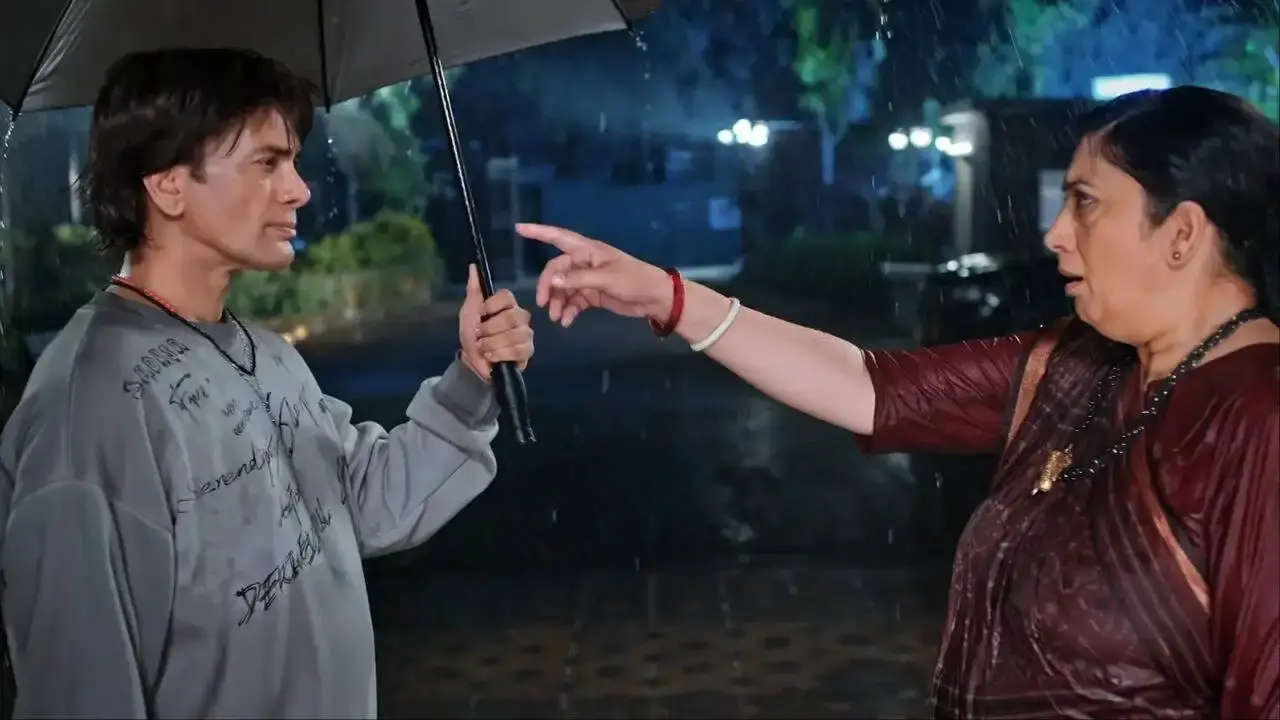
But the real moment of impact comes when Tulsi sees him.
She is stunned—not just by the revelation, but by his appearance. Reyansh looks strikingly like Ansh, triggering memories of a past she believed was buried forever.
This visual and emotional resemblance is central to the storyline. It blurs the boundary between past and present, forcing characters—and viewers—to confront unresolved trauma.
The Emotional Core: A Story About Inheritance
Beyond the shock factor, the “Ansh Gujral entry” is fundamentally about legacy—both biological and emotional.
Karan’s role adds depth to the narrative. He has raised Reyansh as his own child, offering him love and stability despite the complicated origins. In later revelations, he admits that it felt like fate brought the child into his life, echoing the compassion Tulsi once showed him.
This creates a powerful thematic loop:
- Tulsi once nurtured a child born into controversy
- Now, that cycle repeats with Ansh’s son
The show explores whether the sins of the father define the son—or whether nurture can rewrite destiny.
Audience Reaction: Nostalgia Meets Criticism
The re-entry has not gone unnoticed—and reactions have been intense.
Positive Reception
- Fans appreciate the nostalgic callback to one of the show’s most iconic arcs
- The twist adds intrigue and emotional depth
- Smriti Irani’s continued presence as Tulsi strengthens continuity
Criticism and Debate
However, the storyline has also sparked significant criticism:
- Viewers question the timeline logic and casting choices
- Some point out the age mismatch, noting that Akashdeep Saigal appears too mature to convincingly play Ansh’s son
- Social media reactions range from confusion to outright mockery
This tension between storytelling ambition and audience expectation has become a defining feature of the show’s current reception.
Why This Entry Matters for the Show
From a narrative strategy perspective, the “Ansh Gujral entry” serves multiple purposes:
1. Reviving Emotional Stakes
The original series thrived on intense family drama. By bringing back Ansh’s legacy, the show reconnects with its roots.
2. Bridging Generations
The introduction of Reyansh allows the story to transition from past conflicts to new ones, while still maintaining continuity.
3. Driving Viewer Engagement
Controversy, nostalgia, and surprise are powerful tools—and this twist leverages all three.
The Broader Industry Context
The move also reflects a larger trend in Indian television:
- Reboots increasingly rely on legacy characters or their descendants
- Familiar faces are used to anchor new storylines
- Emotional recall is prioritized over strict realism
In this sense, the “Ansh Gujral entry” is not just a plot twist—it’s a strategic decision aligned with evolving audience consumption patterns.
What Comes Next?
The introduction of Reyansh opens several narrative possibilities:
- Will he inherit Ansh’s darker traits?
- Can Tulsi accept him despite his lineage?
- Will hidden truths about his past reshape the Virani family again?
Given the show’s history, it’s unlikely that this arc will remain straightforward. The groundwork has been laid for conflict, redemption, and possibly another defining moment in the franchise.
Conclusion: A Twist That Reignites a Legacy
The “Ansh Gujral entry” in Kyunki Saas Bhi Kabhi Bahu Thi 2 is more than a character introduction—it is a deliberate revival of one of Indian television’s most powerful storylines.
By reintroducing Ansh through his son, the show achieves something rare: it honors its past while actively reshaping its future.
Whether celebrated or criticized, one thing is certain—the legacy of Ansh Gujral is far from over.


