
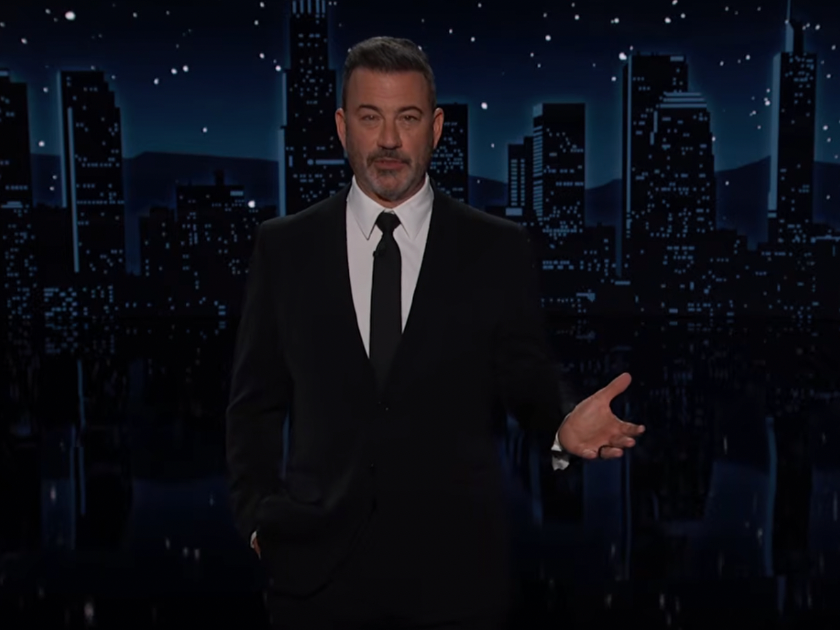
Jimmy Kimmel Movies: How a Late-Night Host Became a Hollywood Player
From Television Comedy to the Big Screen
Jimmy Kimmel is widely recognized as one of America’s most prominent late-night television hosts, but his connection to movies—both as a performer and a cultural commentator—runs deeper than many casual viewers might assume. Over the years, Kimmel has built a multifaceted presence in Hollywood, bridging television, film, and political satire in ways that increasingly blur the lines between entertainment and public discourse.
In recent weeks, however, conversations about Jimmy Kimmel have shifted dramatically. What began as a comedic monologue on Jimmy Kimmel Live! has evolved into a broader debate about satire, media influence, and the role of entertainers in shaping public narratives—issues that directly intersect with his standing in the film and television ecosystem.
Jimmy Kimmel’s Role in Movies and Film Culture
While Kimmel is not primarily known as a traditional film actor, his footprint in the movie industry is significant in several key areas:
1. Hosting Hollywood’s Biggest Film Events
Kimmel has become a familiar face at the Oscars, one of the most influential events in global cinema. His hosting duties place him at the center of the film industry’s most high-profile night, where humor, politics, and celebrity culture collide.
2. Film Appearances and Voice Work
Kimmel has appeared in films and contributed voice performances, often leaning into his comedic persona. His appearances typically emphasize satire, parody, or self-referential humor rather than dramatic roles.
3. Cultural Influence Through Comedy
More importantly, Kimmel’s late-night platform frequently engages with movies indirectly—through celebrity interviews, film promotions, and industry commentary. This positions him as a mediator between Hollywood productions and the public audience.
The Latest Controversy: When Comedy Meets Politics
The intersection between Kimmel’s entertainment role and broader cultural influence came into sharp focus following a controversial joke made during a recent monologue.
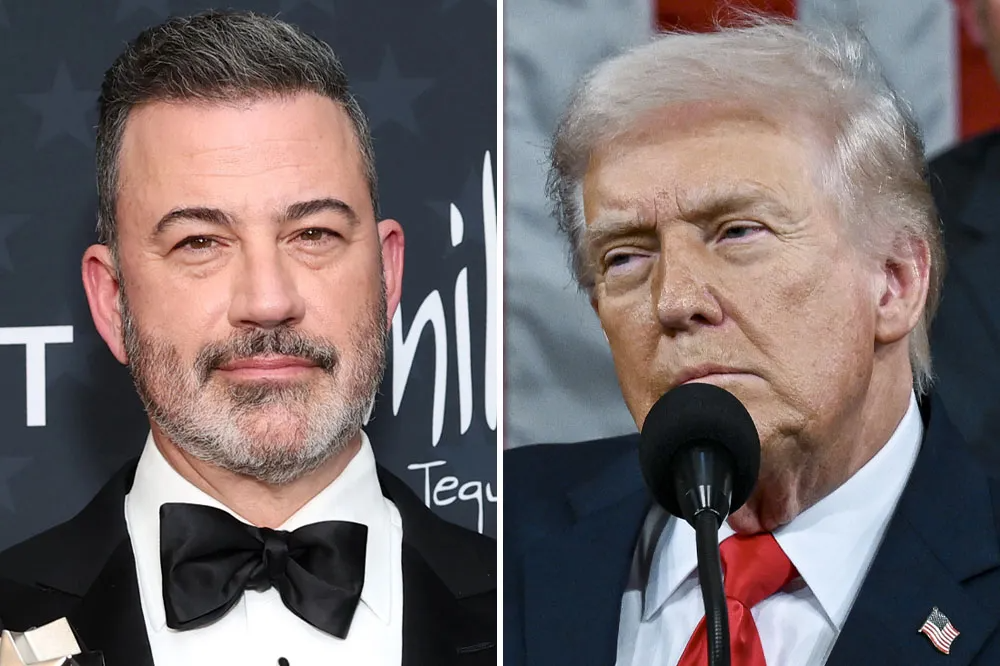
During a parody of the White House Correspondents’ Dinner, Kimmel joked that First Lady Melania Trump had the glow of an “expectant widow.” The remark, intended as a comedic jab at the age gap between Donald Trump and his wife, sparked widespread backlash—especially after a separate real-world incident involving a gunman at the event.
President Donald Trump reacted strongly, calling for Kimmel to be removed from his role:
“Jimmy Kimmel should be immediately fired by Disney and ABC,” citing what he described as a “despicable call to violence.”
First Lady Melania Trump echoed this criticism, arguing that Kimmel’s words were “corrosive and deepens the political sickness within America.”
Kimmel’s Response: Drawing the Line Between Satire and Intent
Kimmel pushed back against the accusations, framing the joke within the context of traditional comedic roasting.
“It was a very light roast joke… It was not, by any stretch of the definition, a call to assassination. And they know that.”
He emphasized that the comment targeted age differences and public image rather than violence, adding that he has “been very vocal for many years speaking out against gun violence.”
The comedian also described the backlash as familiar territory:
“This was like déjà vu,” he said, referencing previous political pressure and calls for his dismissal.
Hollywood Responds: Support from the Film Industry
The controversy has drawn responses from across the entertainment world, including major film figures.
Actor George Clooney, speaking at a high-profile gala, defended Kimmel while condemning political violence:
“Jimmy’s a comedian… jokes are jokes,” Clooney said, while warning that “the rhetoric is a little dangerous.”
This support underscores Kimmel’s standing within Hollywood—not merely as a TV host, but as a recognized voice within the broader film and entertainment community.
The Broader Debate: Comedy, Cinema, and Responsibility
The incident has reignited longstanding questions about the role of comedians in a politically charged environment:
- Should entertainers be held accountable for audience interpretation?
- Does satire carry unintended consequences when real-world events intervene?
- Where should networks draw the line between creative freedom and public responsibility?
As one industry commentary noted, the issue reflects a larger philosophical divide: whether jokes can—or should—be judged beyond their immediate comedic intent.
For Kimmel, whose career spans television and film culture, these questions are particularly relevant. His platform amplifies not only humor but also influence, placing him at the center of debates that extend far beyond entertainment.
Jimmy Kimmel’s Hollywood Trajectory: What Comes Next?
Despite ongoing political pressure, Kimmel remains under contract with ABC and continues to host his show, which has been renewed through at least 2027.
Looking ahead, several trends are likely to shape his role in movies and the broader entertainment industry:
Continued Presence in Film Culture
Kimmel will likely remain a key figure at major film events and within Hollywood’s promotional ecosystem.
Increasing Political Scrutiny
As satire and politics become more intertwined, his commentary may continue to attract both criticism and support.
Potential Expansion into Film Projects
Given his influence and connections, further involvement in film production, voice acting, or scripted projects remains a plausible next step.
Conclusion: A Comedian at the Crossroads of Film and Culture
Jimmy Kimmel’s relationship with movies is not defined solely by acting credits or box office numbers. Instead, it lies in his role as a cultural intermediary—someone who connects Hollywood, politics, and public discourse.
The recent controversy highlights how deeply intertwined these spheres have become. What begins as a joke on a late-night show can quickly ripple into national debate, drawing in political leaders, film stars, and audiences worldwide.
In that sense, Kimmel’s place in the “movie world” is less about starring roles and more about influence. He represents a modern form of entertainment figure—one whose voice carries across television, cinema, and the broader cultural landscape.


