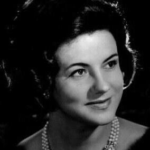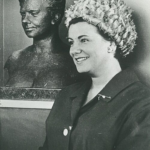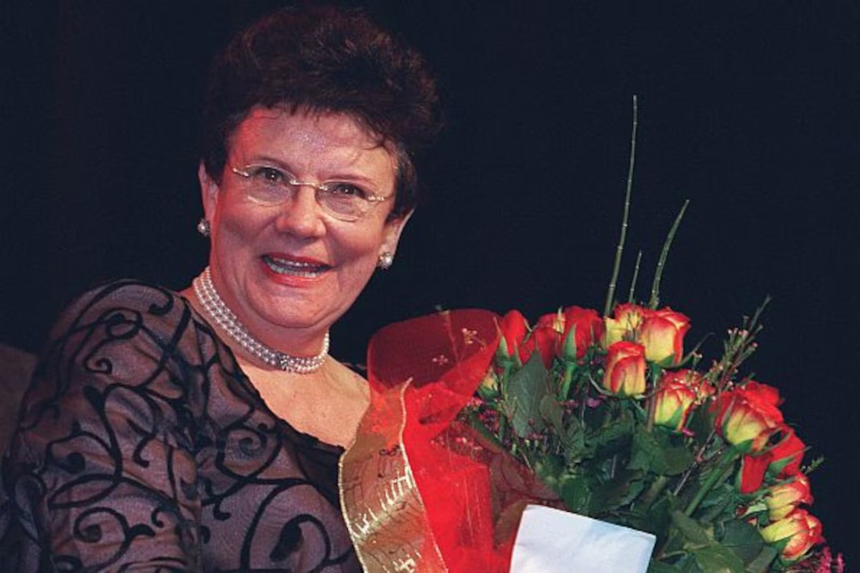
Mimi Coertse Today: A Life in Full Voice and Lasting Legacy
A Final Curtain Call for a Global Opera Icon
The world of classical music is marking the end of an extraordinary era. Mimi Coertse, one of South Africa’s most celebrated operatic sopranos and a towering figure on the global stage, has died at the age of 93 in Pretoria. Her passing on 27 April 2026 signals not only the loss of a remarkable performer but the closing chapter of a life that reshaped perceptions of South African artistry across continents.
- A Final Curtain Call for a Global Opera Icon
- From Durban to Vienna: The Making of a Star
- International Acclaim and Artistic Mastery
- Returning Home: A Commitment to South African Talent
- Personal Life Behind the Spotlight
- Honours, Recognition, and Cultural Impact
- The Meaning of Mimi Coertse Today
- A Legacy That Endures
Renowned for her crystalline soprano voice and commanding stage presence, Coertse rose from humble beginnings in Durban to become an international sensation in the 1950s—earning her place among the world’s finest opera singers.
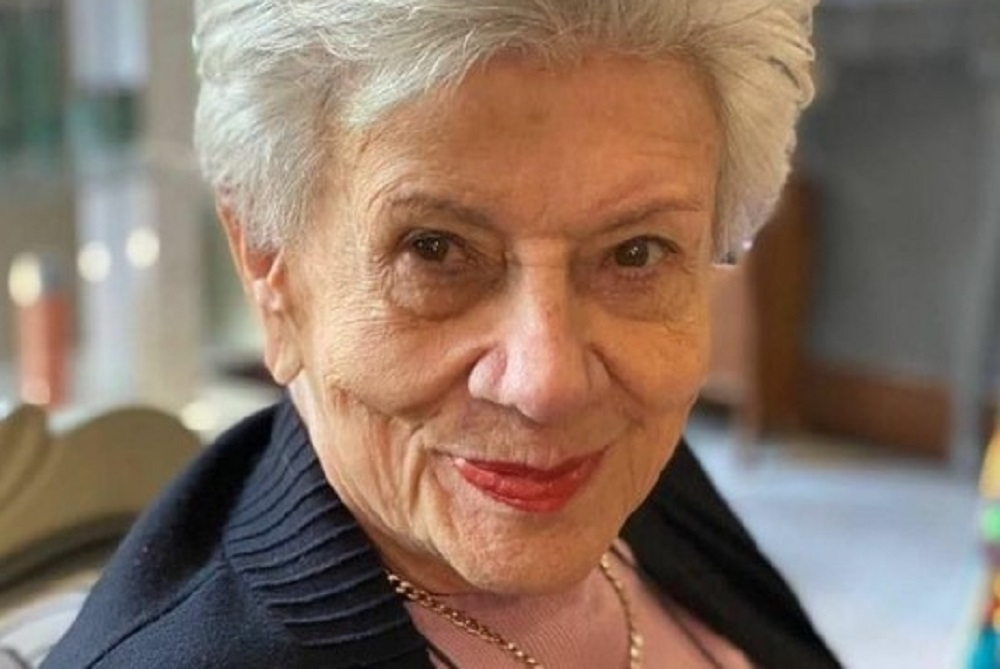
From Durban to Vienna: The Making of a Star
Born Maria Sophia Coertse on 12 June 1932 in Durban, she spent her formative years in Johannesburg, where her passion for music began to take shape.


Her early promise led her abroad at a young age, traveling to Austria to study at the prestigious Vienna Academy. It was a decisive move that would define her career trajectory.
Coertse’s breakthrough came when she made her debut at the Vienna State Opera as the Queen of the Night in Mozart’s The Magic Flute. This role, known for its technical difficulty and dramatic flair, became synonymous with her name. Her performance opened doors to the world’s most prestigious stages, establishing her as a soprano of exceptional range and precision.


By 1965, she had achieved a milestone rarely attained at such a young age—becoming one of the youngest singers ever admitted into the permanent ensemble of the Vienna State Opera.
International Acclaim and Artistic Mastery
During her decades-long career, Mimi Coertse performed across the globe, bringing her artistry to audiences in Europe, the United Kingdom, and beyond. Her repertoire was extensive, encompassing some of opera’s most demanding roles—from Mozart and Verdi to Strauss and Puccini.
Her voice, often described as both agile and powerful, allowed her to excel in roles such as Gilda in Rigoletto, Violetta in La Traviata, and Lucia in Lucia di Lammermoor. Each performance reinforced her reputation as one of the finest sopranos of her generation.
Her contributions did not go unnoticed. The Austrian government honored her with the prestigious title of Kammersängerin, a distinction reserved for artists of exceptional merit—a testament to her influence within European opera circles.


Returning Home: A Commitment to South African Talent
In 1973, at the height of her international success, Coertse made a pivotal decision to return to South Africa. This move marked a new phase in her life—one defined not by personal acclaim but by mentorship and legacy-building.
She dedicated herself to nurturing young talent, ensuring that future generations of South African singers would have opportunities similar to those she had pursued abroad. Through initiatives such as the Mimi Coertse Scholarship, she funded aspiring opera singers to study in Europe, bridging a critical gap in access to world-class training.
Her work extended beyond scholarships. Coertse became deeply involved in teaching, talent searches, and development programs, including the founding of The Black Tie Ensemble, a project designed to help young performers transition from training to professional stages.
Personal Life Behind the Spotlight
While her public persona was defined by discipline and artistic excellence, Coertse’s personal life reflected resilience and adaptability. She was married three times, with her longest marriage to businessman Werner Ackerman, lasting from 1970 to 1994.
After enduring personal hardships, including multiple miscarriages, she and Ackerman adopted two children—a son and a daughter—forming a family that remained central to her life beyond the stage.
Honours, Recognition, and Cultural Impact
Mimi Coertse’s contributions to music and culture earned her numerous accolades over the decades. Among the most notable were:
- The Austrian Cross of Honour for Science and Art
- Honorary doctorates from the University of Pretoria and UNISA
- The Golden Rathausmann from Vienna
- Recognition as a “living legend” in the South African Legends Museum in 2020
These honors reflect not just her artistic achievements but her broader cultural impact. Coertse helped position South Africa within the global classical music landscape at a time when international recognition for African artists was far from guaranteed.
The Meaning of Mimi Coertse Today
Today, Mimi Coertse represents far more than a celebrated soprano. She stands as a symbol of artistic excellence, perseverance, and cultural diplomacy.
Her life story resonates on multiple levels:
- For musicians, she is a benchmark of technical mastery and dedication.
- For South Africa, she is a pioneer who carried the nation’s artistic voice to the world stage.
- For young performers, she remains a source of inspiration and opportunity through the institutions she helped build.
Even in her later years, Coertse continued to advocate for classical music, particularly the art of Lieder singing, ensuring that nuanced vocal traditions would not fade into obscurity.
A Legacy That Endures
The passing of Mimi Coertse marks the end of a remarkable life, but her influence continues to reverberate through concert halls, classrooms, and cultural institutions.
Her journey—from Durban to Vienna and back—embodies the power of talent, ambition, and commitment to community. In a world where artistic careers are often fleeting, Coertse’s enduring legacy stands as a rare and powerful example of what it means to truly shape an art form.
As tributes pour in from across the globe, one thing remains certain: Mimi Coertse’s voice may have fallen silent, but its echo will continue to inspire generations to come.