
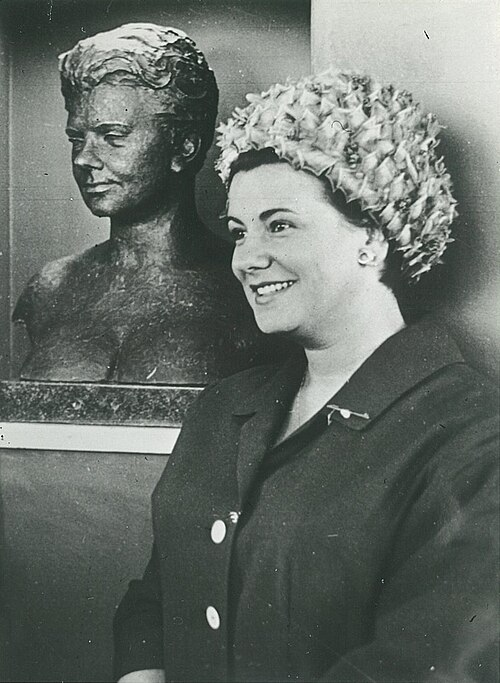
Mimi Coertse Biography: Age, Net Worth, Career, Family & Legacy
A Defining Voice in Global Opera History
Mimi Coertse remains one of the most celebrated figures in classical music, a soprano whose voice transcended borders and redefined the global perception of South African artistry. Known for her extraordinary coloratura technique and commanding stage presence, she rose from humble beginnings in Durban to become a leading star of the Vienna State Opera—one of the most prestigious opera houses in the world.
Her career spanned decades of artistic excellence, cultural influence, and mentorship, making her not only an internationally acclaimed performer but also a foundational figure in South Africa’s classical music development. Revered as a national treasure and often affectionately called “Onse Mimi,” she bridged continents and generations through her work, leaving behind a legacy that continues to shape opera and vocal performance today.
In April 2026, the world bid farewell to this legendary soprano, marking the end of an era in classical music. Yet her influence, recordings, and contributions to nurturing young talent ensure that her voice and impact endure.
Mimi Coertse Quick Facts Snapshot
Full Name: Maria Sophia Coertse
Date of Birth: 12 June 1932
Age at Death: 93 years
Place of Birth: Durban, Natal, South Africa
Nationality: South African
Profession: Operatic Soprano
Current Status: Deceased (passed away 27 April 2026)
Net Worth: Estimated $1 million – $5 million (approximate)
Income Sources: Opera performances, recordings, teaching, scholarships, cultural projects
Relationship Status: Widowed/Divorced
Spouse(s): Dawid Engela, Diego Brighi, Werner Ackerman
Children: Two adopted children (Werner and Mia)
Major Achievements: Vienna State Opera star, Kammersängerin title, Austrian honors, founder of Black Tie Ensemble
Early Life and Musical Foundations
Born on 12 June 1932 in Durban, Mimi Coertse grew up in Johannesburg, where her early exposure to music began shaping her future. Raised in a culturally vibrant environment, she attended Helpmekaar Girls High School, where her academic and artistic talents became evident. Her early years were marked by discipline, curiosity, and an unmistakable passion for vocal performance.
She began formal vocal training in 1949 under the guidance of Aimee Parkerson, a pivotal influence who helped refine her technique and instill professional rigor. Her first major public performance came in 1951, when she sang Handel’s Messiah at the Johannesburg City Hall—a defining moment that signaled her readiness for a larger stage.
Recognizing her exceptional potential, Coertse pursued further studies in Europe, moving to London and eventually Vienna, where she trained under Maria Hittorff and Josef Witt. This transition marked the beginning of her transformation from a promising local talent into a world-class soprano.
The Rise to International Stardom
Mimi Coertse’s professional breakthrough came in 1955 at the Teatro San Carlo in Naples, where she debuted in Wagner’s Parsifal. Within a year, she achieved a career-defining milestone by debuting at the Vienna State Opera as the Queen of the Night in Mozart’s The Magic Flute.
Her performance was nothing short of sensational. The role, known for its technical complexity and demanding vocal range, became synonymous with her artistry. This success secured her a long-term position at the Vienna State Opera, where she remained a prominent figure until 1978.
During this period, she performed alongside some of the greatest names in opera and participated in major international festivals. Despite political challenges of the era, including restrictions related to apartheid-era boycotts, her talent ensured her continued presence on global stages.
Her appointment as Kammersängerin in 1966—a prestigious Austrian title awarded to distinguished singers—cemented her status as one of the leading sopranos of her generation.
Signature Roles, Songs, and Performances
Mimi Coertse’s repertoire was vast, showcasing her versatility and technical brilliance. She became particularly renowned for her interpretations of Mozart, Strauss, and Verdi works.
Among her most iconic performances were:
- Queen of the Night (The Magic Flute)
- Konstanze (Die Entführung aus dem Serail)
- Zerbinetta (Ariadne auf Naxos)
- Gilda (Rigoletto)
- Violetta (La Traviata)
- Lucia (Lucia di Lammermoor)
- Donna Elvira and Donna Anna (Don Giovanni)
Her voice was celebrated for its clarity, agility, and emotional depth. Whether performing dramatic arias or delicate lieder, she brought a distinctive interpretive style that resonated deeply with audiences.
Beyond opera, she contributed to classical recordings and performances that introduced broader audiences to the richness of vocal music.
Net Worth, Income Sources, and Lifestyle
While exact figures remain private, Mimi Coertse’s net worth is estimated to fall between $1 million and $5 million. Her wealth was primarily derived from her extensive career in opera, including international performances, recording contracts, and appearances at prestigious venues.
In addition to her performing income, she invested time and resources into educational and cultural initiatives. The Mimi Coertse Bursary and her involvement in developing young singers reflect a commitment to reinvesting her success into the arts community.
Her lifestyle, though refined, remained rooted in artistic purpose rather than extravagance. She lived between Europe and South Africa during her peak years, later settling more permanently in South Africa, where she focused on mentorship and cultural development.
Personal Life, Husband, and Children
Mimi Coertse’s personal life was marked by both challenges and resilience. She was married three times:
- Dawid Engela (1953–1957)
- Diego Brighi (1965–1969)
- Werner Ackerman (1970–1994)
Despite experiencing multiple miscarriages, she ultimately built a family through adoption. She adopted two children, a son named Werner and a daughter named Mia, who became central figures in her personal life.
Her relationships reflected the complexities of balancing a demanding international career with personal commitments. Yet, her role as a mother remained deeply meaningful, shaping her life beyond the stage.
Later Years and Continued Influence
After returning to South Africa in 1973, Mimi Coertse transitioned into a new phase of her career. While she continued to perform occasionally, her focus shifted toward education, mentorship, and cultural preservation.
She became a regular presence on South African stages and media platforms, sharing her expertise through broadcasts and public engagements. Her dedication to nurturing young talent led to the founding of the Black Tie Ensemble in 1998, a program designed to bridge the gap between training and professional performance for aspiring singers.
Her influence extended beyond performance into institution-building, ensuring that future generations of South African artists had opportunities to succeed internationally.
Is Mimi Coertse Still Alive? Latest Updates
Mimi Coertse passed away on 27 April 2026 at the age of 93 in Pretoria, South Africa.
Her passing marked a profound moment in the global classical music community. Tributes poured in celebrating her as one of the greatest sopranos of her era and a pioneering figure who brought international recognition to South African opera.
Even in her later years, she remained active in cultural initiatives and was honored as a “living legend” in the South African Legends Museum, highlighting her enduring relevance and impact.
Interesting Facts and Lesser-Known Insights
Mimi Coertse’s life is filled with fascinating details that underscore her uniqueness:
She was among a select group of artists honored with Austria’s highest artistic distinctions, reflecting her extraordinary contribution to European opera.
Her time in Vienna transformed her into a cultural ambassador, bridging South African and European artistic traditions.
She played a critical role in popularizing lieder singing in South Africa, an often-overlooked form of classical vocal music.
Her legacy includes not only performances but also institutional contributions, including scholarships and training programs that continue to shape the industry.
Influence, Cultural Impact, and Lasting Legacy
Mimi Coertse’s impact extends far beyond her performances. She redefined what it meant to be a South African artist on the global stage, breaking barriers during a politically complex era and elevating the country’s cultural reputation.
Her work laid the foundation for future generations of South African opera singers, many of whom benefited directly from her mentorship and initiatives. By creating opportunities for young talent, she ensured that her legacy would be carried forward through others.
She is remembered not only for her voice but for her vision—one that combined artistic excellence with a commitment to cultural growth and education.
Additional Insights into Her Enduring Relevance
Even decades after her peak performance years, Mimi Coertse remained a respected authority in classical music. Her presence at cultural events, her mentorship of emerging artists, and her continued advocacy for the arts kept her relevant in evolving musical landscapes.
Her name is frequently associated with excellence, discipline, and innovation in opera. Tribute concerts, recordings, and educational programs continue to celebrate her life and contributions.
Conclusion: A Voice That Defined Generations
Mimi Coertse’s biography is more than a story of personal success—it is a narrative of cultural transformation, artistic excellence, and enduring influence. From her early days in Durban to her rise on the world’s greatest stages, she exemplified the power of talent combined with determination.
Her legacy lives on through her recordings, her students, and the institutions she helped build. As one of the most iconic sopranos in history, she leaves behind a body of work that continues to inspire audiences and artists alike.
Her voice may have fallen silent, but her influence resonates across generations—an enduring testament to a life dedicated to music, excellence, and cultural impact.


