

Samsung Galaxy Glasses: A Strategic Bet on the Future of Smart Wearables
A New Chapter in Wearable Technology
Samsung appears poised to make a decisive move into the rapidly evolving smart glasses market with its upcoming Galaxy Glasses. Long rumored and now increasingly detailed through multiple leaks, the device signals the company’s ambition to compete directly with established players like Meta while laying the groundwork for the next generation of extended reality (XR) experiences.
Rather than launching a futuristic, display-heavy product from the outset, Samsung is reportedly taking a more pragmatic route—prioritizing usability, lightweight design, and AI-driven functionality. This approach reflects broader industry trends, where early smart glasses are evolving into everyday wearable companions rather than fully immersive augmented reality (AR) systems.
Design Philosophy: Familiar Form, Hidden Technology
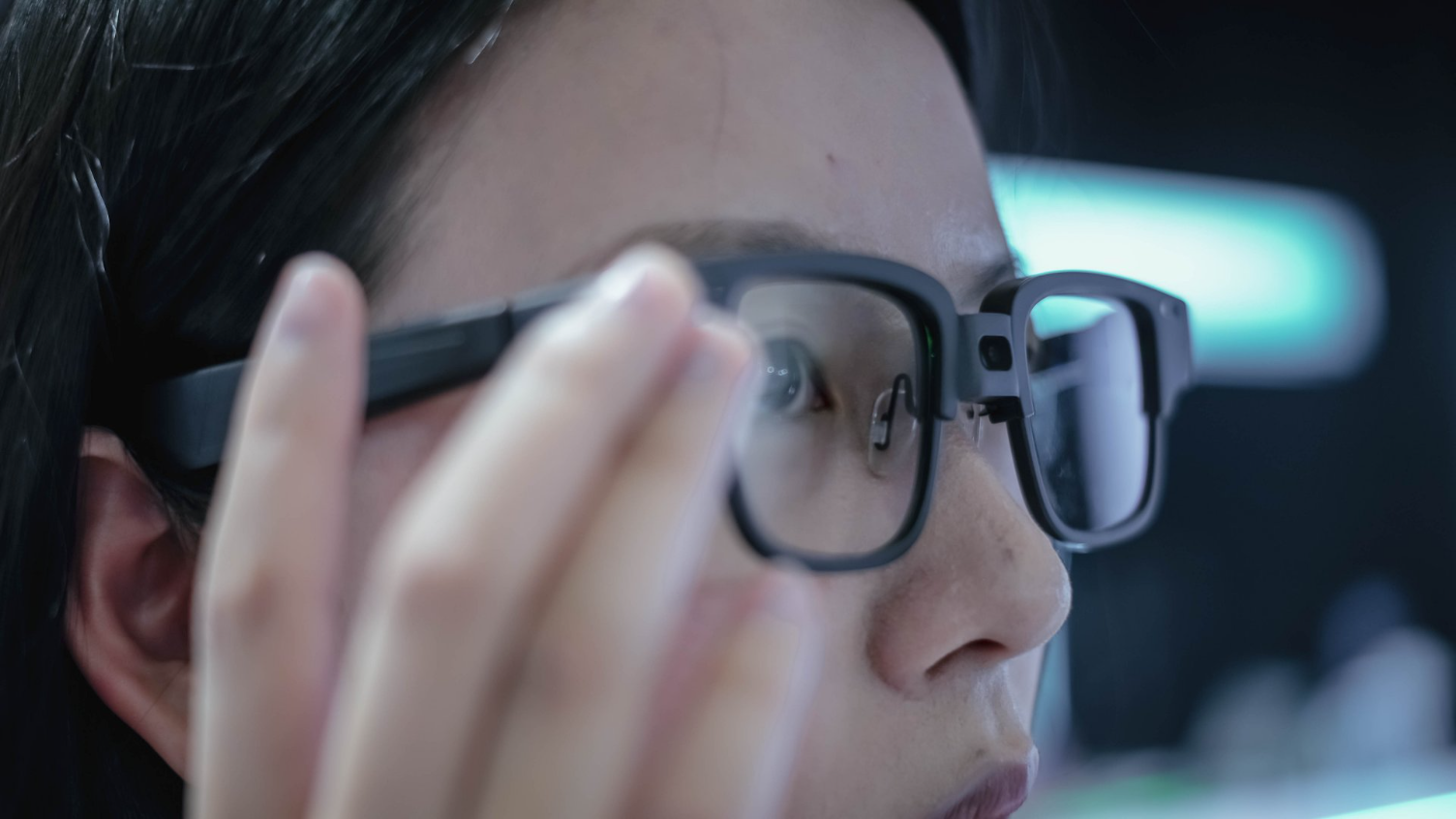
One of the most notable aspects of the Galaxy Glasses is their understated, familiar design. Leaked renders show a device that closely resembles traditional eyewear, with subtle modifications to accommodate hardware components.
- Dual cameras are integrated discreetly into the frame
- Slightly thicker arms house internal electronics
- Overall weight is estimated at around 50 grams, making them suitable for extended daily use
This design mirrors the aesthetic direction taken by competitors such as Ray-Ban Meta glasses, emphasizing social acceptability and comfort. Samsung’s collaboration with eyewear brands like Warby Parker and Gentle Monster further reinforces its intention to position the glasses as both a fashion accessory and a functional device.
Additionally, reports suggest the inclusion of photochromic lenses, allowing the glasses to adapt to changing light conditions—an optional but practical enhancement .
Hardware Overview: Balanced Performance for First-Gen Wearables
While the Galaxy Glasses are not expected to push hardware boundaries dramatically, their specifications indicate a well-balanced first-generation product designed for reliability and efficiency.
Key Expected Specifications
- Processor: Qualcomm Snapdragon AR1
- Camera: 12MP Sony IMX681 sensor
- Battery: Approximately 155 mAh
- Connectivity: Wi-Fi and Bluetooth 5.3
- Audio: Directional speakers with bone-conduction technology
- Weight: Around 50 grams
- Display: None (first-generation model)
The absence of a display is a deliberate design choice. Instead of visual overlays, the device focuses on audio feedback and camera-based context awareness, aligning with current-generation smart glasses.
Software and AI: Android XR and Gemini at the Core
The true value of the Galaxy Glasses lies in their software ecosystem. Samsung is expected to leverage Android XR, combined with Gemini AI, to deliver a hands-free, voice-driven experience.
This integration enables a range of practical use cases:
- Real-time navigation via Google Maps
- Instant text translation
- Weather updates and contextual information
- Voice-controlled queries and actions
The system relies heavily on ambient AI, using camera input and sensors to understand the user’s environment and provide relevant responses.
This approach reflects a broader shift in wearable computing: moving from screen-based interaction to context-aware, voice-first interfaces.
Functionality: What Users Can Expect
Despite lacking a display, the Galaxy Glasses are designed to deliver meaningful everyday functionality.
Core Capabilities
- Capture photos and videos using the integrated camera
- Listen to audio through built-in speakers
- Interact with AI assistants without using a phone
- Access contextual information based on surroundings
Users may also benefit from Quick Pair integration and battery monitoring, similar to Galaxy Buds and Galaxy Watches, as hinted by updates in Samsung’s One UI ecosystem.
Market Positioning: Competing in a Crowded Field
Samsung’s entry into the smart glasses segment comes at a critical moment. The market is rapidly expanding, with multiple players adopting two distinct strategies:
- Lightweight, display-free glasses focused on AI and audio
- Display-equipped AR glasses targeting immersive experiences
The Galaxy Glasses clearly fall into the first category—for now. This positions them as a direct competitor to Meta’s Ray-Ban smart glasses, both in terms of functionality and pricing.
Expected Price Range
- $379 to $499 for the initial model
This pricing aligns closely with existing products, suggesting Samsung aims to remain competitive rather than disrupt the market with aggressive pricing.
Dual Strategy: The “Jinju” and “Haean” Models
Samsung’s smart glasses roadmap appears to involve a two-tiered strategy.
1. Jinju (First Generation – 2026)
- Display-free design
- Focus on AI, audio, and camera features
- Lightweight and affordable
2. Haean (Second Generation – Expected 2027)
- Integrated micro-LED display
- Enhanced AR capabilities
- Higher price range, potentially $600–$900
This staggered approach allows Samsung to enter the market quickly while continuing to develop more advanced AR technology.
Launch Timeline: When Will They Arrive?
The Galaxy Glasses are widely expected to debut later in 2026, with strong speculation pointing to a reveal at Galaxy Unpacked in July.
Additional visibility may come from events like Google I/O, where Android XR developments could be showcased alongside partner devices.
Industry Implications: A Shift Toward Ambient Computing
Samsung’s strategy reflects a broader transformation in the tech industry. Rather than attempting to deliver full AR experiences immediately, companies are prioritizing:
- Wearability and comfort
- AI-driven interactions
- Seamless integration with existing ecosystems
This suggests that the near-term future of smart glasses will focus less on visual immersion and more on augmenting everyday tasks through intelligence and context awareness.
Challenges and Considerations
Despite the excitement, several challenges remain:
- Privacy concerns surrounding built-in cameras
- Limited battery capacity due to compact form factor
- Dependence on cloud-based AI for advanced features
- Lack of visual display in the first generation
Competitors have already faced scrutiny over data handling, highlighting the importance of transparency and user trust in this category.
The Road Ahead: What This Means for Consumers
Samsung’s Galaxy Glasses represent more than just a new gadget—they mark an important step toward mainstream wearable computing.
By combining:
- Familiar design
- Practical features
- AI-driven functionality
Samsung is positioning its glasses as a natural extension of the smartphone, rather than a replacement.
The eventual introduction of display-equipped models could further expand possibilities, bridging the gap between current smart glasses and full AR headsets.
Conclusion: A Calculated Entry into the XR Era
The Samsung Galaxy Glasses signal a measured, strategic entry into the smart glasses market. Instead of chasing futuristic concepts, Samsung is focusing on refined execution, ecosystem integration, and real-world usability.
If the leaked details hold true, the device could become a significant player in shaping how consumers interact with AI and digital information in their daily lives.
As the XR landscape continues to evolve, Samsung’s approach suggests that the future of wearable technology may not arrive all at once—but rather through incremental, thoughtfully designed innovations.


