

South Africa Fuel Price Hikes: From Relief to Relentless Pressure
A Sudden Shift at the Pumps
At the start of 2026, South African motorists were enjoying a rare reprieve. Petrol prices had dropped to a four-year low, offering temporary financial breathing room for households and businesses alike. But within just a few months, that optimism has been sharply reversed.
By April, the cost of fuel had surged dramatically, leaving motorists paying significantly more to fill their tanks. The abrupt turnaround highlights how quickly global forces—and domestic policy decisions—can reshape the cost of living in a country heavily dependent on imported fuel.
From Record Lows to Rapid Increases
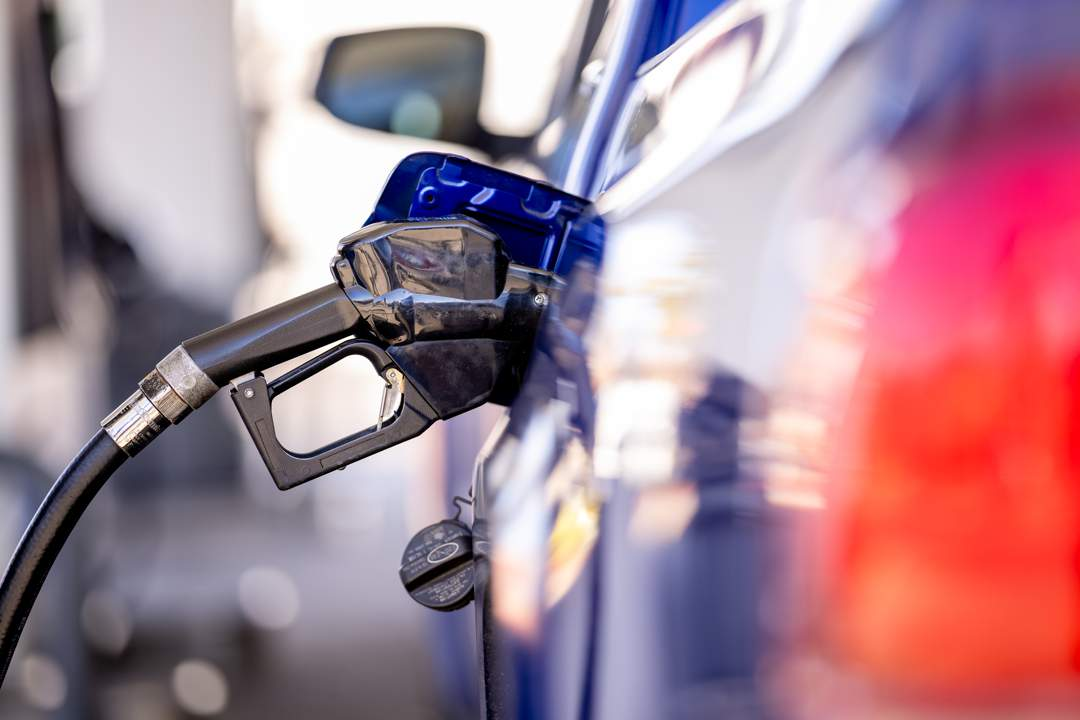
The year began with encouraging signs. In January, petrol prices dropped by 62 cents per litre to around R19.85—levels not seen since 2022. February extended this positive trend with a further 65-cent decrease.
However, the recovery proved short-lived.
March introduced a modest increase of 20 cents per litre, but April delivered a shock: a massive 306-cent hike. This single adjustment wiped out months of gains and pushed petrol prices close to R23 per litre.
Despite February’s reduction, the cumulative effect of the hikes means motorists are now paying R2.61 more per litre than at the start of the year.
The Real Cost to Drivers
The financial impact is tangible:
- A 30-litre tank now costs R78.30 more to fill
- A 50-litre tank costs R130.50 more
- An 80-litre tank costs up to R208.80 more per refill
For households relying on larger vehicles such as SUVs and bakkies, these increases are particularly severe, compounding already rising living expenses.
What Triggered the Price Surge?
Global Oil Shock
The primary driver behind the hikes is a sharp increase in global oil prices. Escalating geopolitical tensions—particularly the outbreak of conflict involving Iran, Israel, and the United States—have disrupted supply chains and pushed oil prices above $100 per barrel.
Critical shipping routes like the Strait of Hormuz, which carries around 20% of global oil supply, have faced instability, increasing transport costs and insurance premiums.
These global disruptions directly affect South Africa, which imports a significant portion of its fuel. Even sourcing oil from West Africa has not insulated the country from international price shocks.
South Africa: A Price-Taker Economy
Finance Minister Enoch Godongwana made the country’s position clear:
“We have to live with the reality that we are price takers as far as oil is concerned. There is nothing we can do about that price.”
This means South Africa has limited control over fuel pricing, with global markets dictating the baseline cost.
Currency Stability Offers Limited Relief
Although the rand has stabilised between R16.50 and R16.64 to the US dollar, its impact on fuel pricing is relatively minor—contributing roughly R1 per litre to price changes.
The overwhelming influence remains global oil prices, which account for about 99.5% of current under-recoveries.
Government Intervention—and Its Limits
To cushion consumers from April’s steep increases, the government introduced a temporary R3 reduction in the General Fuel Levy (GFL). Without this intervention, petrol prices could have risen by as much as R6 per litre.
However, this relief is short-lived.
The National Treasury has already warned that the GFL cut is a one-time measure and cannot be sustained due to fiscal constraints.
Extending the relief would cost billions—between R10 billion and R12 billion if prolonged—placing further strain on public finances.
May 2026 Outlook: More Pain Ahead
Despite some easing in price pressures during April, the outlook for May remains firmly upward.
Projected Fuel Price Increases
According to Central Energy Fund (CEF) data:
- Petrol 93: +R1.82 per litre
- Petrol 95: +R2.14 per litre
- Diesel: +R5.92 to R5.93 per litre
While these increases are smaller than earlier projections, they still represent a significant burden.
At the beginning of April, petrol was expected to rise by as much as R4.69 per litre. By late April, this estimate had dropped by roughly 73%, reflecting improved—but still elevated—market conditions.
The Fuel Levy Decision: A Critical Factor
The fate of the R3 fuel levy relief remains the biggest uncertainty.
- If extended: increases remain moderate
- If removed: petrol could rise by up to R5 per litre, diesel by up to R9 per litre
Government discussions are ongoing, with officials emphasizing the need to balance consumer relief against fiscal sustainability.
Economic Ripple Effects
Fuel prices are not just a transport issue—they are a core driver of inflation.
Rising Costs Across the Economy
Higher diesel prices directly impact logistics and supply chains, pushing up the cost of:
- Food
- Consumer goods
- Public transport
Economists warn that inflation could climb toward 4% as fuel costs filter through the economy.
For businesses, particularly in transport-heavy sectors, the increases translate into higher operating costs and reduced margins.
Pressure on Households
For consumers, the effects are immediate:
- Increased commuting expenses
- Higher grocery bills
- Reduced disposable income
Even small increases at the pump accumulate quickly, especially in a country where many rely on daily travel for work.
The Bigger Picture: Structural Vulnerability
South Africa’s reliance on imported fuel leaves it exposed to global volatility. As a “price-taker,” the country has limited tools to shield itself from international shocks.
The fuel pricing system—regulated but globally linked—means local interventions can only soften, not eliminate, external pressures.
Conclusion: A Volatile Road Ahead
South Africa’s fuel price trajectory in 2026 tells a clear story: temporary relief can quickly give way to sustained pressure.
From record lows in January to steep hikes by April—and more increases expected in May—the volatility reflects a complex interplay of global geopolitics, economic realities, and fiscal constraints.
For motorists, businesses, and policymakers alike, the coming months will hinge on two decisive factors:
- The direction of global oil markets
- Government decisions on fuel levy relief
Until stability returns to international energy markets, South Africans should prepare for continued uncertainty at the pumps—and the broader economic consequences that follow.


