


Turkish Airlines at a Crossroads: A Strategic Reset in a Turbulent Aviation Era
Introduction: A Global Airline Navigates Uncertainty
Turkish Airlines, long recognized as one of the world’s most expansive and strategically positioned carriers, is undergoing a significant transformation in 2026. With its hub at Istanbul Airport serving as a vital bridge between Europe, Asia, and Africa, the airline has historically thrived on connectivity and network breadth.
However, a combination of geopolitical tensions, surging fuel prices, and shifting passenger demand has forced the carrier to rethink its operational strategy. The result is a sweeping restructuring—one that simultaneously reduces its global footprint while investing in long-term growth infrastructure.
This moment represents not just a tactical adjustment, but a broader reflection of how global aviation is adapting to an increasingly volatile environment.
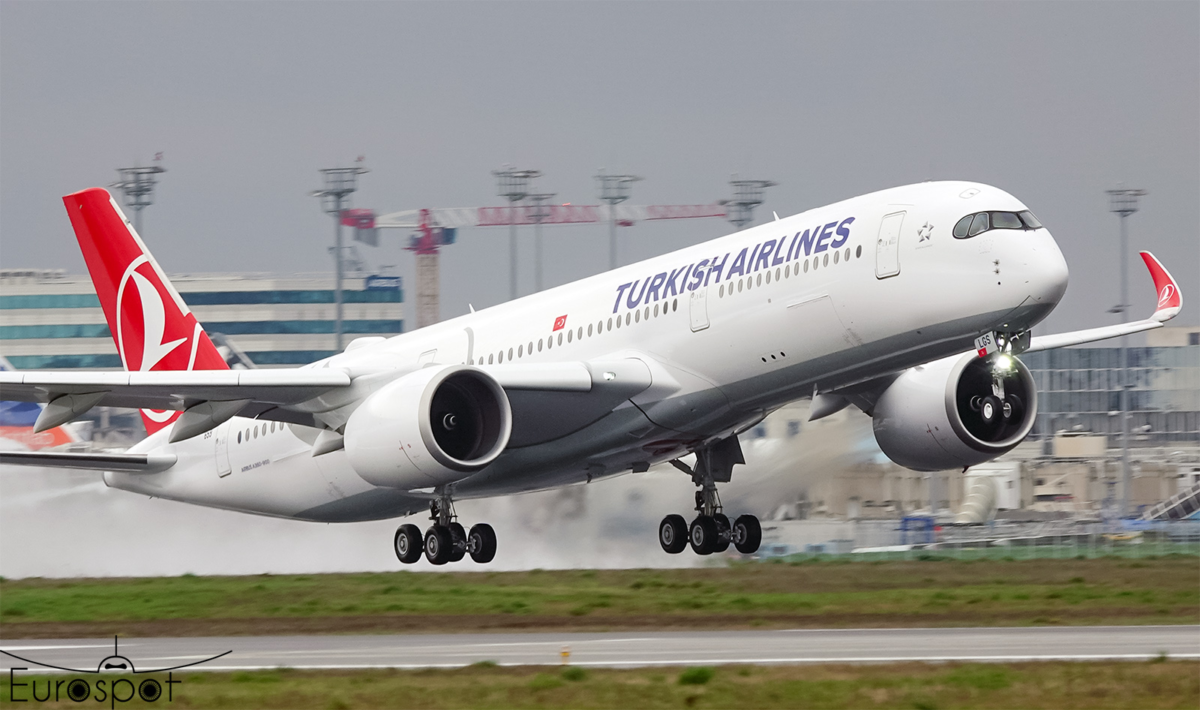
The Strategic Shift: Cutting Routes to Protect Core Operations
At the center of Turkish Airlines’ recalibration is the suspension of 18 international routes, scheduled to take effect gradually between May and June 2026. These cuts span multiple regions, including Africa, Europe, the Middle East, Central Asia, and the Americas.
Key destinations affected include:
- Aqaba
- Billund
- Bissau
- Freetown
- Havana
- Hurghada
- Kinshasa
- Leipzig/Halle
- Libreville
- Luanda
- Lusaka
- Najaf
- Kirkuk
- Pointe-Noire
- Turkistan
The decision is not abrupt but phased, reflecting what the airline describes as a capacity optimization strategy aligned with declining demand and rising operational costs.
In total, the restructuring will remove over 100 weekly departures, with the most intense reductions occurring in May and June, when more than 140 weekly flights will be withdrawn.
Why Now? Fuel Costs, Conflict, and Demand Pressure
The airline’s move is deeply tied to external pressures reshaping the aviation sector.
1. Fuel Price Surge
Fuel remains one of the largest cost components for airlines. Recent geopolitical tensions—particularly involving Iran—have pushed fuel prices sharply upward, nearly doubling in some cases. This has made previously viable routes economically unsustainable.
2. Declining Passenger Demand
Higher ticket prices, driven by fuel costs, have dampened demand, particularly on long-haul and lower-yield routes. Airlines are increasingly forced to concentrate capacity where demand remains strong.
3. Geopolitical Instability
Regions such as the Middle East and parts of Africa have become more volatile, raising both operational risk and insurance costs. Turkish Airlines has already suspended several Iranian routes and continues to monitor airspace conditions closely.
As the airline itself noted:
“The current situation in the region’s airspace is being monitored in real-time, and additional flight cancellations may occur.”
Network Optimization: From Breadth to Efficiency
Turkish Airlines’ restructuring is not merely about cutting routes—it reflects a deeper operational philosophy.
Historically, the airline operated complex multi-sector “tag flights”, linking multiple smaller destinations in a single route. While this expanded network reach, it often reduced efficiency and increased costs.
Now, the airline is shifting toward:
- Direct routes with higher demand
- Consolidation at major hubs
- Elimination of low-yield secondary destinations
This pivot aligns with a broader industry trend where airlines prioritize profitability over network size.
A Parallel Investment: Expanding Pilot Training Capacity
Interestingly, while Turkish Airlines is shrinking parts of its network, it is simultaneously investing in future growth.
The airline has signed an agreement with Textron Aviation to purchase 10 new Cessna Skyhawk aircraft for its flight academy.
Why This Matters
- The academy already operates 66 Skyhawks, with 51 added over the past five years.
- The expansion reflects long-term confidence in pilot demand.
- It ensures a steady pipeline of trained pilots for future operations.
Lannie O’Bannion, senior vice president at Textron Aviation, emphasized the importance of the aircraft:
“The Cessna Skyhawk continues to set the standard for flight training worldwide, offering the reliability, performance and operating efficiency flight schools depend on.”
This dual strategy—cutting routes while expanding training—signals a deliberate balance between short-term efficiency and long-term readiness.
Industry Context: A Global Aviation Reset
Turkish Airlines is not alone in this transformation. Across the aviation sector, major carriers are making similar moves:
- Lufthansa is reducing thousands of short-haul flights
- British Airways is exiting low-yield markets
- Delta and United are suspending routes in high-risk regions
- Ryanair is closing operational bases to cut costs
These coordinated shifts point to a broader industry recalibration driven by:
- Rising fuel costs
- Geopolitical instability
- Changing travel patterns
In essence, airlines are converging on a similar strategy: fewer routes, higher efficiency, stronger hubs.
Impact on Passengers: Fewer Options, More Complexity
For travelers, the implications are immediate and tangible.
What Passengers Can Expect:
- Reduced flight options to smaller cities
- Greater reliance on hub-to-hub connections
- Longer travel times due to indirect routes
- Increased need for flexibility in bookings
Turkish Airlines is offering mitigation measures, including:
- Full refunds
- Free rebooking
- Ticket validity extensions until July 2026
Still, the broader trend suggests a shift in how global travel is structured—away from direct connectivity to centralized aviation hubs.
Looking Ahead: A Leaner but Stronger Airline?
Turkish Airlines’ 2026 strategy reflects a disciplined approach to navigating uncertainty. By cutting underperforming routes and investing in training infrastructure, the airline is positioning itself for resilience rather than rapid expansion.
This approach underscores a key insight:
the future of aviation will prioritize sustainability, efficiency, and adaptability over sheer scale.
While the immediate impact may be reduced connectivity, especially for secondary destinations, the long-term outcome could be a more stable and strategically focused airline.
Conclusion: A Defining Moment for Turkish Airlines
The current restructuring marks a pivotal chapter in Turkish Airlines’ evolution. Faced with external shocks and internal cost pressures, the airline has chosen a path of strategic consolidation paired with forward-looking investment.
In doing so, it mirrors the broader transformation of the global aviation industry—one where agility, efficiency, and long-term planning define success.
For passengers, businesses, and industry observers alike, Turkish Airlines’ decisions in 2026 offer a clear signal:
the era of expansive, all-encompassing route networks is giving way to a more calculated and resilient model of global air travel.


